
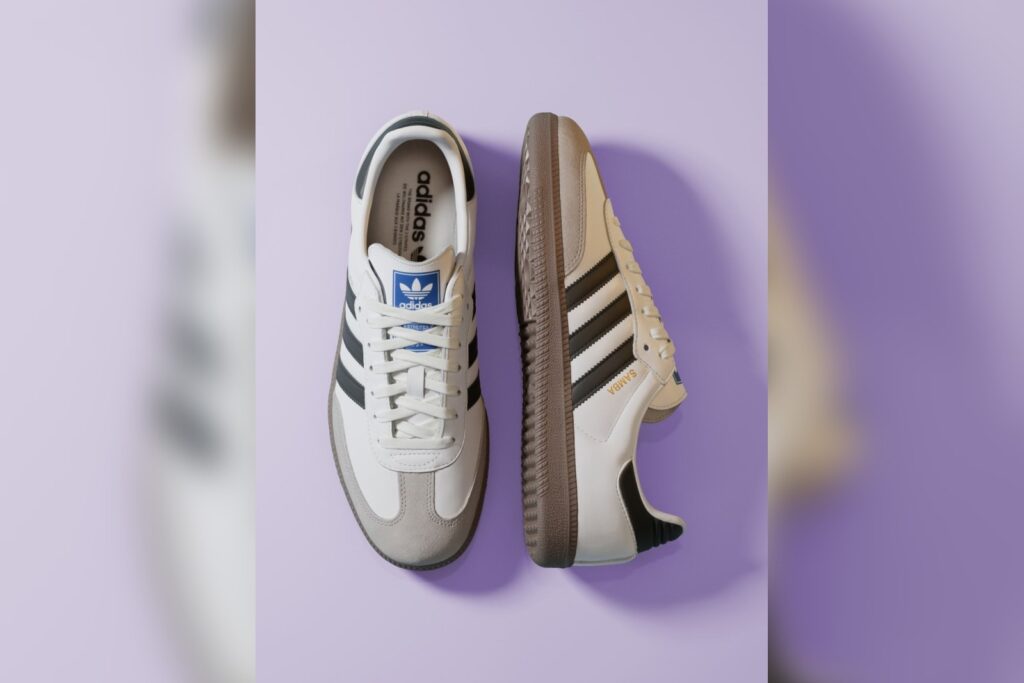
Spending on Adidas apparel jumped 70% in May from a year earlier, and it stayed strong into June. That figure, from the research firm M Science, is the clearest sign yet of which sportswear brand is getting more out of the World Cup so far.
Drake MacFarlane, a research analyst at M Science, said both Adidas and Nike are set for a World Cup boost to their apparel businesses, but Adidas is benefiting “to a greater degree thus far.” He credited “substantial growth” in jersey sales ahead of the tournament. Nike’s apparel business is growing too, he said, though Adidas is outpacing it because it has “the right set of product for the consumer.”
Stores and shelves
Foot traffic points the same way. Placer.ai data shared with Reuters showed visits to Adidas stores in the United States up 47% in the first week of the tournament compared with 2026 averages. At Nike’s U.S. factory stores the rise was 11%. Against the same week last year, Adidas visits were up 16%, while Nike’s fell.
The Nike figures cover only outlet stores. Even so, Elizabeth Lafontaine, Placer.ai’s director of research, said the findings suggest Adidas “has been top of mind for shoppers and may have done a good job in its store activation around the event.”
British retailer JD Sports reported that Mexico jerseys, which Adidas supplies, were its best-selling team kit in the week beginning June 15. Nike’s U.S. team shirts came second in total sales.
Nike did have one bright spot. LSEG reported that 28% of its World Cup merchandise in the U.S. sold out in the first two weeks, well above Adidas’ 7%.
Sponsors, boots and a slipping market share
Adidas is an official sponsor, outfits 14 teams and supplies the match ball. Nike dresses 12 national teams, works with local streetwear designers and refreshed its soccer range at more than 5,000 Nike and wholesale stores worldwide.
On the pitch, Nike holds its own. A Reuters analysis found 232 of the 528 World Cup starters so far wore Nike boots, with Adidas close behind on 218. “Nike is right there,” said David Swartz, an equity analyst at Morningstar. “Strong visibility … is good for its brand strength.”
Nike needs the lift. Its share of the global sports footwear market fell from 29.2% in 2022 to 22.9% last year, according to Euromonitor International data obtained by Reuters. Demand for classic lines such as Dunk and Air Jordan has cooled, newer rivals like On and Deckers have gained ground, and analysts say the company has been slow to move to new styles. Nike CEO Elliott Hill, who took over in 2024, has said the company “lost its obsession with sport.”
Mari Shor, a senior equities analyst at Columbia Threadneedle, which holds Nike stock, put it bluntly: “At the end of the day it’s really all about the product. If [Nike’s] product isn’t resonating, the rest of it doesn’t matter.”
Nike remains much the bigger company. Its footwear market share is still nearly double that of second-place Adidas. Sarah Henry, a portfolio manager at Logan Capital Management, called it “the biggest dog in the fight” that “should be able to hit everybody else pretty hard.”
The two rivals have traded blows lately. In April, Nike entered exclusive talks to supply balls for certain UEFA matches, a role Adidas held for 25 years. Later that month, Kenyan runner Sabastian Sawe broke the two-hour marathon barrier in new ultra-light Adidas shoes.
Sources
- How Adidas Is Winning The World Cup Brand War Against Nike
- Adidas Gains Early Edge as Football World Cup Reshapes Sportswear Competition




