
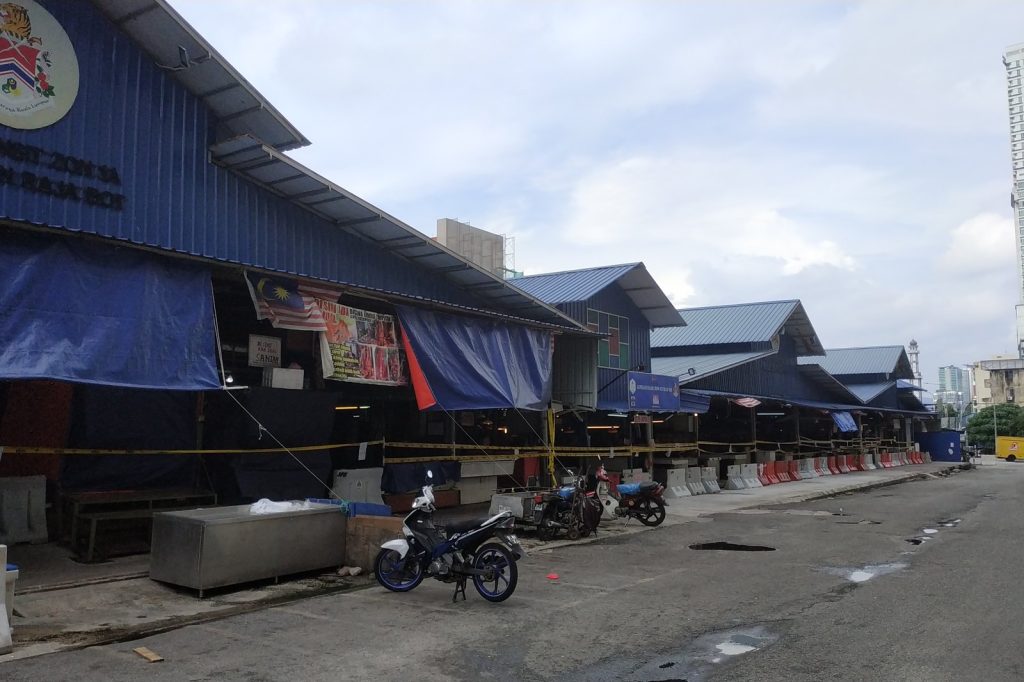
Malaysia’s labor market is experiencing its second downturn in consecutive quarters, as the reimposition of Movement Control Order 3.0 from May 12 to June 14 has reversed gains made in April. The brief improvement, which brought the unemployment rate down to 4.6 percent, has been wiped out by a surge in Covid-19 infections.
April had shown signs of progress. Employers added 12,200 positions, bringing total employment to 15.37 million. The jobless rate dropped from 4.7 percent in March to 4.6 percent, marking the lowest level since September 2020. Chief statistician Datuk Seri Dr Mohd Uzir Mahidin attributed this to “conditional MCO rules that let more firms run at full capacity while following strict SOPs.” The labor-force participation rate inched up to 68.6 percent, with 41,000 more people either employed or actively seeking work.
However, these gains were concentrated in specific sectors. Nearly 80 percent of new positions came from export-oriented electronics and rubber-glove factories in Penang and Johor. Domestic-facing industries such as retail, food services, and hospitality continued to reduce their workforces.
“The April numbers were encouraging but they reflected conditions before the latest infection wave,” Dr Mohd Uzir told state media on June 8. “Once MCO 3.0 took hold, mobility dropped 30 percent and hiring froze.”
The lockdown, implemented as Covid-19 cases rose nationwide, struck at a pivotal moment. While most manufacturing plants can operate at 60 percent capacity, services, construction, and small suppliers face stricter restrictions. The threat of further layoffs looms, 15 months after the first MCO was enacted.
Economists anticipate a difficult second quarter. Anthony Dass, head of AmBank Group Research, predicts the unemployment rate will climb back to 5.0 percent by July. “Manufacturing can operate at 60 percent throughput, yet supply-chain disruptions and” broader restrictions will take a toll. This forecast represents a sharp reversal from April’s modest progress.
The pattern has become familiar since the pandemic began. Each brief reopening brought a glimmer of recovery, and each new wave of cases triggered another clampdown. The April rebound was the latest in a series of temporary improvements. MCO 3.0 marks the fourth nationwide lockdown in 15 months.
Workers in domestic-facing sectors bear the heaviest burden. Retail employees, restaurant servers, hotel staff, and construction laborers have endured the worst of each lockdown. Export-oriented factories have been more resilient, supported by global demand for electronics and medical gloves. Yet even these industries now face disruptions, with strained supply chains and a 30 percent drop in mobility.
The data paints a clear picture. April offered a pause, not a recovery. The labor market lost momentum in May, and June figures are expected to show the unemployment rate rising again. Both the Department of Statistics Malaysia and AmBank Group have highlighted this trend. The numbers will confirm what workers already experience: this is not a new crisis but the continuation of an ongoing one. Each lockdown deepens the damage, and each recovery starts from a lower point. The April gains, while real, were shallow and did not reach the sectors that need them most. MCO 3.0 has cut them short.




