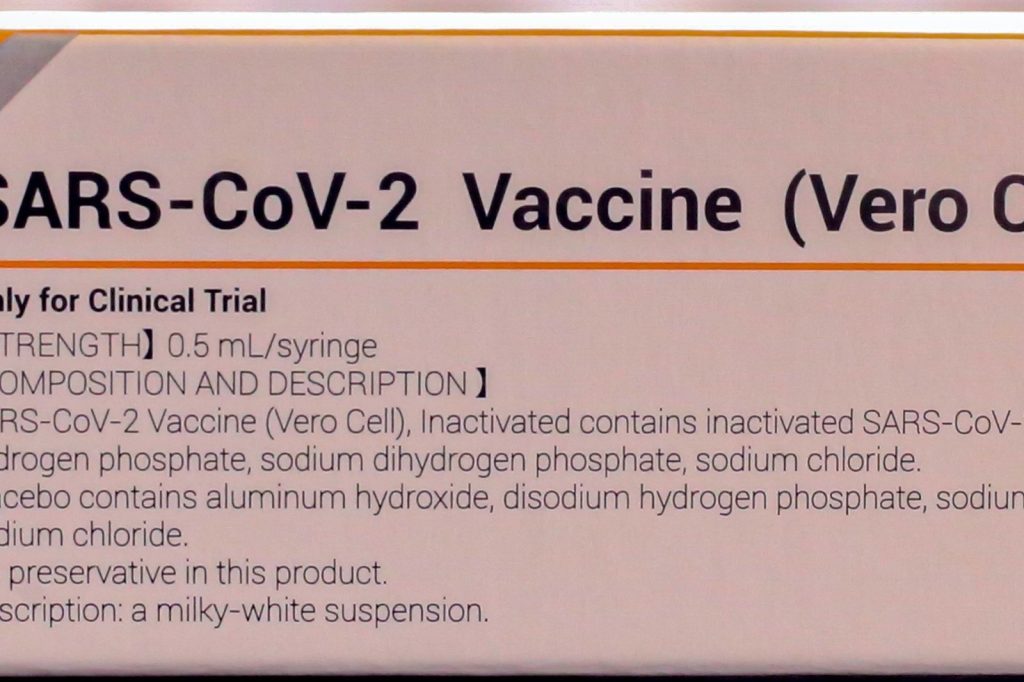
Pharmaniaga Bhd announced on Friday that it will begin selling Sinovac COVID‑19 vaccine doses straight to state governments and corporate buyers, adding a second distribution channel to the nation’s supply chain. The company’s shares rose to RM5.54 during intraday trading before closing at RM5.34.
Until now, the federal government has been the sole purchaser of the vaccine, holding a 12‑million‑dose contract that runs until July and would vaccinate roughly 18 % of Malaysia’s population. That agreement will continue as scheduled. After the federal quota is fulfilled, Pharmaniaga’s plant in Puchong will allocate the remainder of its output between the existing federal contract and the new direct‑sale arrangements. Group Managing Director Datuk Zulkarnain Md Eusope said the dual‑track approach has been cleared by the Ministry of Health.
“We will ensure effective provision and distribution to the private market and state governments, and it will not disrupt our existing contractual obligation with the federal government,” he told investors. The company currently bottles about two million doses each month.
Last week it submitted a variation request to the National Pharmaceutical Regulatory Agency (NPRA) that, if approved, would double monthly production capacity to four million doses. This increase is pivotal: without it, states and companies would compete for the same limited supply already earmarked for the federal programme; with it, they can secure separate allocations without slowing national rollout. Three states—Selangor, Sarawak and Penang—have already requested quotations.
All three have sizable populations and significant economic activity, with Selangor surrounding the capital Kuala Lumpur and Sarawak and Penang having pushed for accelerated vaccination earlier in the pandemic. In the private sector, essential‑industry firms such as glove manufacturers and oil‑and‑gas operators are also expressing interest, seeking to protect workers and keep operations running.
This development marks a structural shift in Malaysia’s vaccine logistics. While the federal government remains the dominant buyer, it will no longer be the exclusive source of doses. States with the political will and budgetary resources can now move ahead of the national queue, and companies can procure vaccines directly for their workforce.
The Ministry of Health’s endorsement suggests the move is viewed as a means to speed up coverage rather than fragment the supply chain. However, the plan’s success hinges on NPRA’s decision on the production‑capacity request.
If approved, Pharmaniaga can meet both federal and new private demands; if denied, the company must prioritize the federal contract, leaving state and corporate orders to wait for any surplus capacity. Zulkarnain highlighted that the additional sales would raise overall coverage without extra cost to the federal budget. The 12‑million federal doses cover 18 % of the population; any further purchases by states or firms would increase that share while keeping the national contract untouched.
The market’s reaction to the announcement was positive, reflected in the share price movement. Investors appear to view the new revenue streams, potential production expansion, and government backing as favorable indicators for the company’s outlook.
What follows now depends on regulatory approval and the level of demand from states and private entities. The NPRA decision is pending, states are lining up their orders, and corporations are ready to sign agreements. Once the federal contract concludes in July, the Puchong facility’s capacity will be allocated to the highest‑paying customers—whether that be the federal government again, the states of Shah Alam, Kuching and George Town, or major private players such as Top Glove and Petronas.