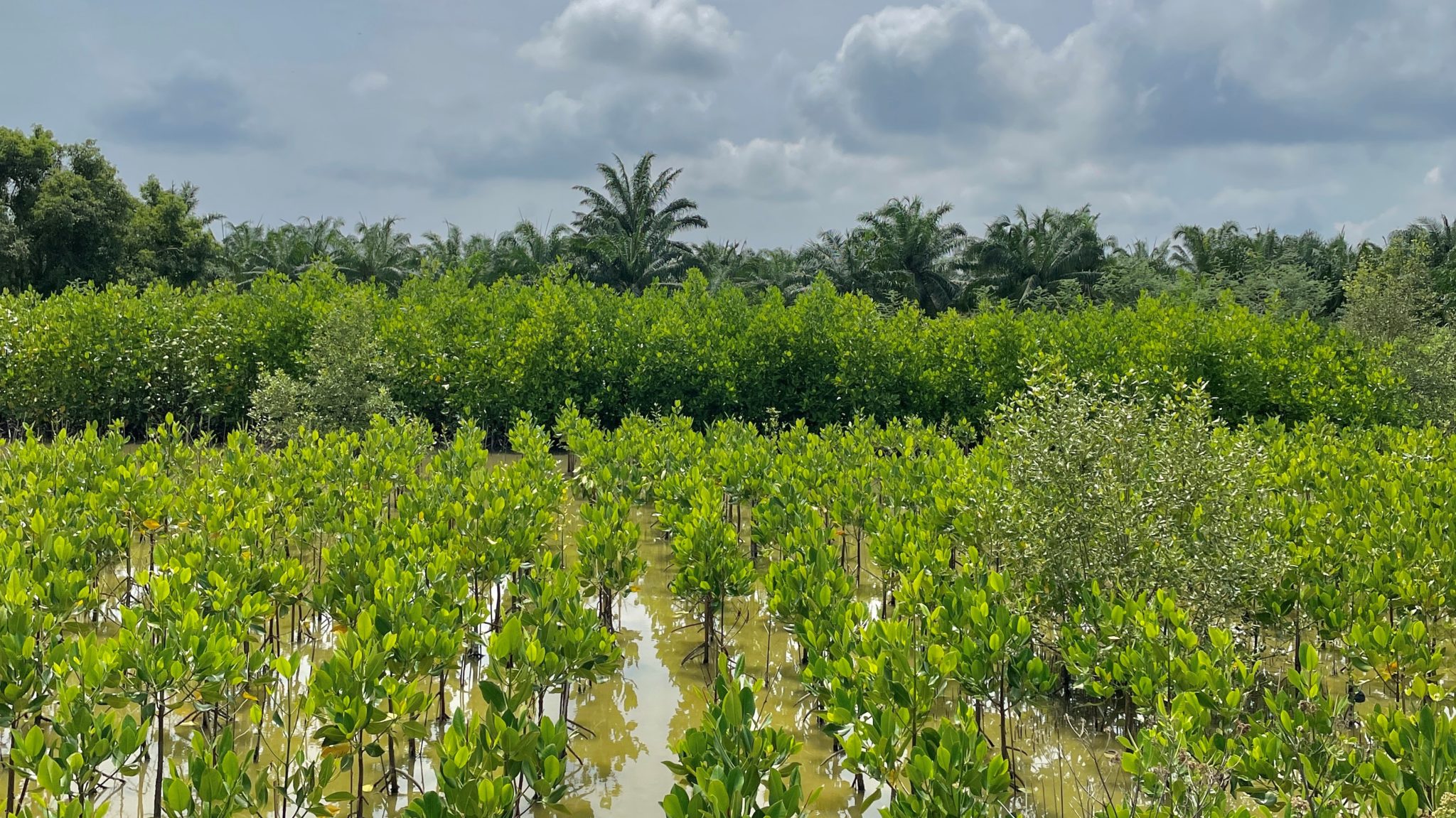
Malaysia’s mangrove restoration program received private backing on November 8, 2024, in a move to support the country’s conservation efforts. The program, which aims to restore and protect Malaysia’s mangrove forests, has been ongoing for several years and has now gained the support of private companies. The reason behind this initiative is to preserve the mangrove forests, which play a important role in protecting the country’s coastline and supporting its biodiversity. The program is being implemented in various regions of Malaysia, including the states of Sabah and Sarawak, where mangrove forests are most prevalent.
introduction to mangrove restoration
Mangrove forests are essential ecosystems that provide numerous benefits, including shoreline protection, water filtration, and habitat for various species of plants and animals. However, these forests are facing threats from deforestation, pollution, and climate change, which has led to a significant decline in their coverage. According to a report by the Malaysian Ministry of Environment and Water, the country has lost nearly 30% of its mangrove forests over the past few decades. This has prompted the government to take action to restore and protect these ecosystems. As stated by Dato’ Sri Tuan Ibrahim Tuan Man, Malaysia’s Minister of Environment and Water, “Mangrove forests are a vital part of our country’s ecosystem, and it is our responsibility to protect and preserve them for future generations.”
private sector involvement
The private sector has played a significant role in supporting Malaysia’s mangrove restoration program. Companies such as Petronas, Malaysia’s state-owned oil and gas company, have pledged to support the program through funding and technical expertise. According to a statement by Petronas, the company is committed to supporting the conservation of Malaysia’s mangrove forests and has allocated significant funds for the program. As noted by Tan Sri Wan Zulkiflee Wan Ariffin, Petronas’ chairman, “We recognize the importance of mangrove forests in supporting biodiversity and protecting our coastline, and we are committed to doing our part in preserving these ecosystems.” Other companies, such as Sime Darby and IOI Group, have also pledged their support for the program.
challenges and opportunities
Despite the private sector’s support, the mangrove restoration program still faces several challenges. One of the main challenges is the lack of awareness among local communities about the importance of mangrove forests. According to a report by the World Wildlife Fund (WWF), many local communities are not aware of the benefits of mangrove forests and may even view them as a hindrance to development. As stated by Dr. Dionysius Sharma, executive director of WWF-Malaysia, “There is a need to educate local communities about the importance of mangrove forests and involve them in the conservation efforts.” Another challenge is the limited funding available for the program. However, the private sector’s involvement has helped to address this issue, and the program is now better equipped to tackle the challenges ahead.
progress and future plans
The mangrove restoration program has made significant progress since its inception. According to the Malaysian Ministry of Environment and Water, over 1,000 hectares of mangrove forests have been restored and protected under the program. The program has also created jobs and income opportunities for local communities, who are involved in the restoration and conservation efforts. As noted by Dato’ Sri Tuan Ibrahim Tuan Man, “The program has not only helped to preserve our mangrove forests but has also contributed to the socio-economic development of local communities.” The government plans to expand the program to other regions of Malaysia and to increase the area of mangrove forests under protection. The private sector is expected to continue playing a significant role in supporting the program, and the government is exploring ways to involve other stakeholders, such as non-governmental organizations and local communities, in the conservation efforts.
The support from the private sector has been a significant boost to Malaysia’s mangrove restoration program, and the program is now well on its way to achieving its goals. With the continued support of the private sector and the involvement of local communities, the program is expected to make a significant impact in preserving Malaysia’s mangrove forests and supporting the country’s biodiversity. As the program moves forward, it is likely to serve as a model for other conservation efforts in the region, and its success will depend on the continued collaboration between the government, private sector, and local communities.