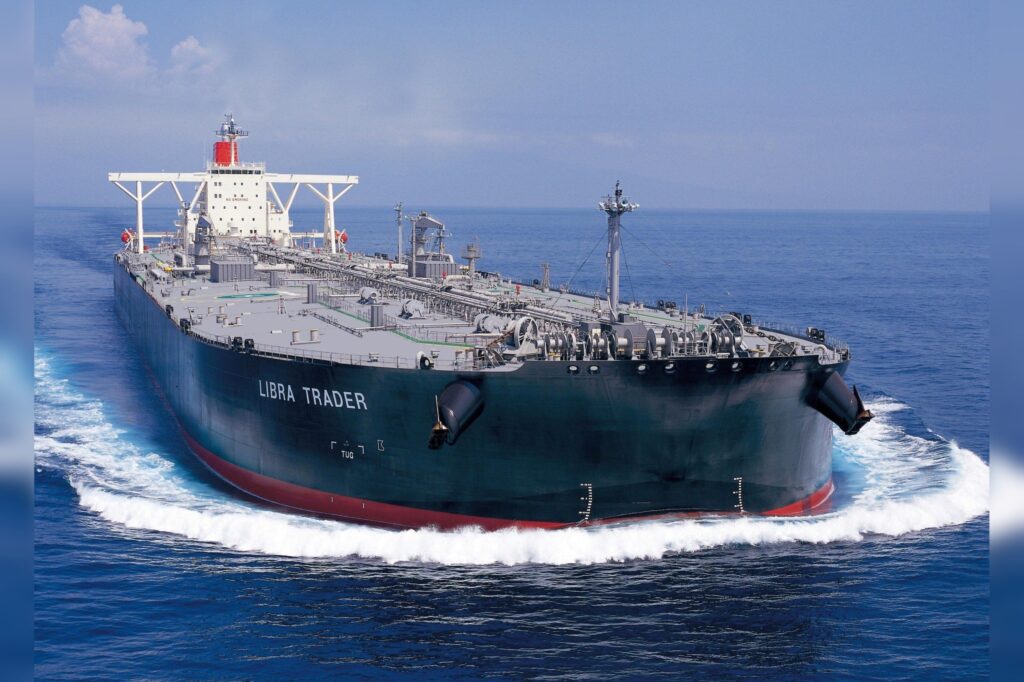
LONDON, July 15 — The proposed transit fee for ships passing through a critical global chokepoint has been scrapped, a reversal that spares the shipping industry hundreds of millions of dollars annually. The fee, which would have added a dollar to every barrel of oil moving through the strait, had drawn sharp warnings from some of the world’s largest shipping lines. The reversal is expected to save shipping companies between $500 million and $1 billion each year, based on the roughly 17 million barrels per day transiting the strait.
That is a significant sum for an industry already navigating volatile freight rates and geopolitical risk.
The mechanics of the fee
The proposed charge was straightforward: one dollar per barrel of oil passing through the waterway. The fee would have added a direct cost to every barrel moving from Middle Eastern producers to Asian refiners. Major shipping firms had been vocal in their opposition.
Maersk, the Danish giant; MSC, based in Switzerland; and COSCO, the Chinese state-owned line, all warned that the levy would push up operating expenses. The Baltic Dry Index, a measure of shipping costs, had not yet factored in the fee.
That suggests the market had not fully priced in the potential disruption before the reversal was announced.
Who would have paid
The burden would have fallen unevenly. Japan, which imports 80% of its oil through the strait, faced a cost increase of 0.5% to 1% on crude imports. South Korea, which brings in 70% of its oil via the same route, would have seen a similar hit.
For both countries, which rely heavily on imported energy, even a small percentage increase in crude costs can ripple through their economies. The fee’s reversal removes that immediate pressure.
But the underlying vulnerability remains: two of the world’s largest oil importers depend on a narrow waterway that could be disrupted by political tension, accidents, or future fees.
Market response
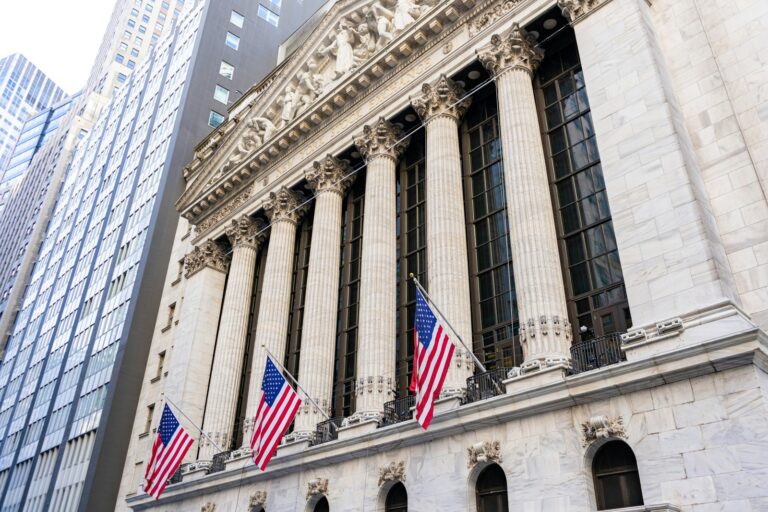
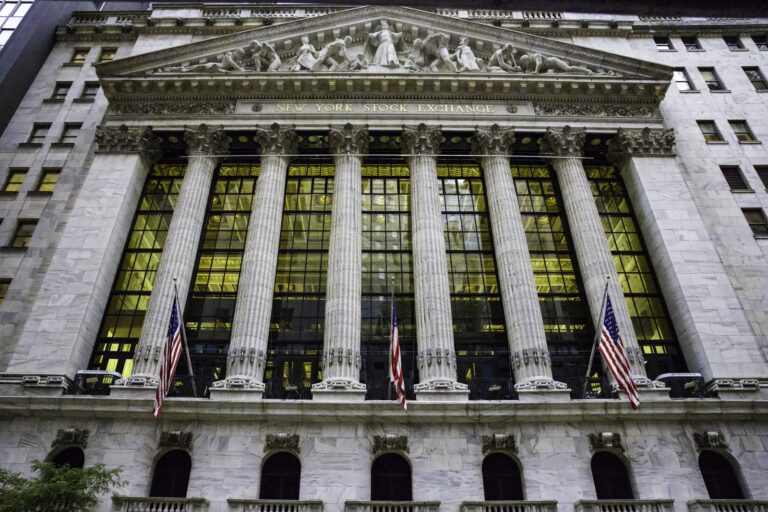
Stock markets reacted quickly. Shares in Frontline, a major oil tanker company listed on the New York Stock Exchange under the ticker FRO, rose 2% to 3% on the news. Euronav, another large tanker operator trading on the NYSE as EURN, saw a similar gain.
The moves reflected relief among investors that a significant source of operational uncertainty had been removed. For tanker companies, the fee had represented an unpredictable variable.
Shipping contracts are often negotiated months in advance, and a sudden per-barrel charge would have complicated pricing. The stock price gains suggest the market had been pricing in some risk of the fee going ahead.
What to watch next
The reversal does not eliminate the possibility of future fees or restrictions on the strait. The waterway remains a strategic flashpoint, and any government controlling access to it could revisit the idea. For now, shipping companies and oil importers have been granted a reprieve, but the structural dependence on a single narrow passage has not changed.
The reaction from Japan and South Korea in the coming weeks will be telling. Both countries had reason to lobby against the fee, and their diplomatic efforts may have played a role in the reversal.
Whether they push for more permanent guarantees on transit costs remains an open question.