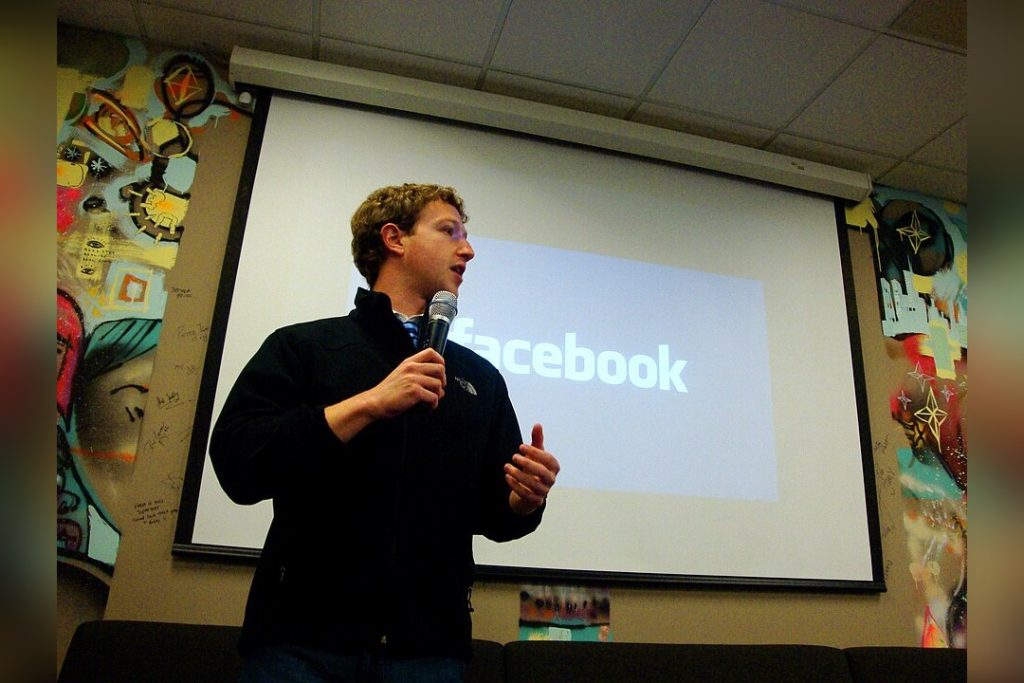
Mark Zuckerberg has told a team at Meta to start building a standalone app called Arena, where people guess how real-world events will turn out. Two employees who were not authorized to speak publicly described the project to NPR, which reported on June 24, 2026, that it had obtained internal Meta documents. The New York Times reported the plans first.
No real money changes hands. Per the documents, users get “a daily virtual allotment” of “play money” to bet on “the outcome of future events.”
AI runs the show
Meta intends to use artificial intelligence to drive the service. The same AI would also settle the markets, deciding whether something did or did not happen. As on Kalshi and Polymarket, the wagering centers on “yes” or “no” questions, and the documents say resolution will come in “near real-time.” Which topics Meta wants to cover is not clear.
This is not Meta’s first try. In 2020 it released Forecast, a crowdsourced prediction app where people could guess at things like the course of the pandemic. Meta wound it down two years later. The documents cite “the operational cost of manual question curation” as the reason, and describe Arena as a “rebuild” of that app.
Employees will test a prototype before the full public launch on iPhones and Android devices. No release date was given.
A crowded, contested field
Kalshi and Polymarket are the most popular prediction market apps. Traders there bet billions of dollars a week on matters as varied as a forthcoming movie’s Rotten Tomatoes score or when Israel might drop bombs on Iran. Some analysts project the sector could become a $1 trillion industry in the coming years.
A free-to-play prediction market might sound pointless, since the chance of a big payout has pulled in millions of users elsewhere. Gaming lawyer Daniel Wallach, who follows the industry closely, sees a logic to it. Skipping cash wagers could give Meta more time to apply to federal regulators for a license, he said, and let the legal fights settle.
“We’re clearly in legal limbo,” Wallach said, pointing to more than 30 pending lawsuits over whether prediction markets are legal. “And we might not have a clear answer for another year or two.”
The Trump administration backs the industry, and officials have started rewriting the federal rules that govern it. Regulators shunned prediction markets for decades. “The prediction markets of today are a novel creation that only arrived at the dawn of the second Trump administration,” Wallach said, adding that they have set off legal fights over whether Congress ever meant the Commodity Futures Trading Commission, the agency overseeing the sites, to regulate this activity.
Meta would be the biggest Silicon Valley player yet to enter, while questions about market manipulation and insider trading continue to dog the sector. More than 3 billion people use at least one Meta app every day, among them Facebook, Instagram, WhatsApp and Threads. The company has struggled, though, to get new standalone apps off the ground.