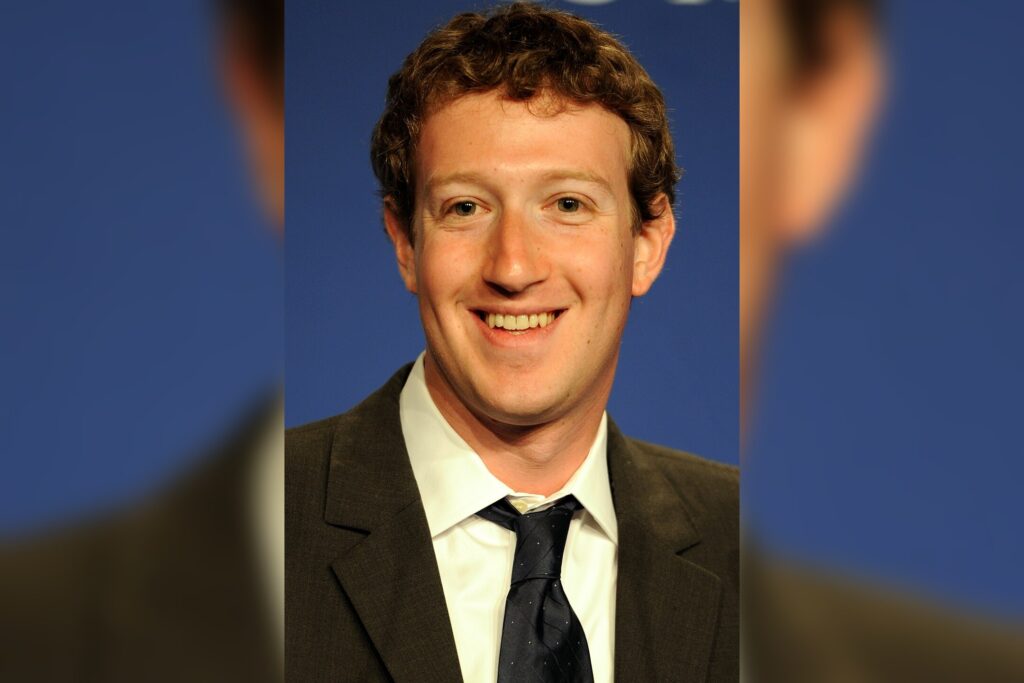
Mark Zuckerberg once sat down with the chief executive of Kalshi to talk about buying the company. The meeting happened last year, as Kalshi’s popularity surged, and the talks went nowhere, according to one of three people with knowledge of the discussions who spoke to NPR without authorization to do so publicly.
Accounts differ on why. Some say Tarek Mansour, the Kalshi CEO, would not move forward with a sale. Others say Meta found the legal and ethical questions around Kalshi too messy. Neither company would comment to NPR on the talks.
Arena, with play money
Meta did not drop the idea. Zuckerberg has set up a team that is working on its own prediction market app, called Arena. Internal documents reviewed by NPR show it will let people make guesses about future events.
One difference from Kalshi and its main rival, Polymarket, is the money. Arena will not take real-money bets. Users will wager “play money” on news events and topics trending online. The documents say Meta’s artificial intelligence systems will write the questions and decide winners and losers based on whether something happens.
A market that has grown fast
Prediction markets are among the fastest-growing parts of the tech industry. People bet on sports, elections and even whether Iran will develop a nuclear weapon. Tim Wu, a Columbia University law professor who advised the Biden White House on tech policy, called the flood of users an obvious draw for Zuckerberg.
The numbers back him up. In June 2025, about $28 billion was traded every month on Kalshi and Polymarket. A year later monthly volume is nearly $220 billion, mostly from sports betting, according to The Block, which tracks prediction market data. Kalshi, overseen by commodities regulators in Washington, was valued at $22 billion in its latest funding round in May, up from $2 billion the year before. PitchBook values Polymarket, which runs an overseas exchange beyond the reach of U.S. regulators, at $10.7 billion.
Growth has brought fights. Dozens of legal battles pit the companies against state gaming officials, who insist the sites are gambling under a different name. President Trump has vowed to protect prediction market companies, even as insider trading and market manipulation controversies dog the industry.
The Justice Department has opened two criminal cases over alleged insider trading on Polymarket. In one, a special forces soldier is accused of profiting from classified information about the capture of Venezuelan leader Nicolás Maduro by U.S. forces. In the other, prosecutors accuse a Google employee who earned more than $1 million of using confidential search trend data to correctly guess the most-Googled people of 2025.
Meta’s history with rivals
Meta’s deals draw scrutiny. At a trial last year, the Federal Trade Commission alleged that Meta follows a “buy or bury” approach, either acquiring young rivals or cloning their service to crush them. A judge ruled that Meta broke no competition laws in taking over Instagram and WhatsApp, and FTC lawyers are appealing.
Meta and Kalshi did reach one deal. In March they agreed a partnership that allows easy integration of Kalshi markets on Threads.
Wu said Meta grew into a company worth more than $1 trillion by buying apps rather than building them. “WhatsApp and Instagram have given them never-ending profits, but normal companies cannot fail five times in a row,” he said. “Meta looking to take over Kalshi fits in with the company’s long-standing practices.”