
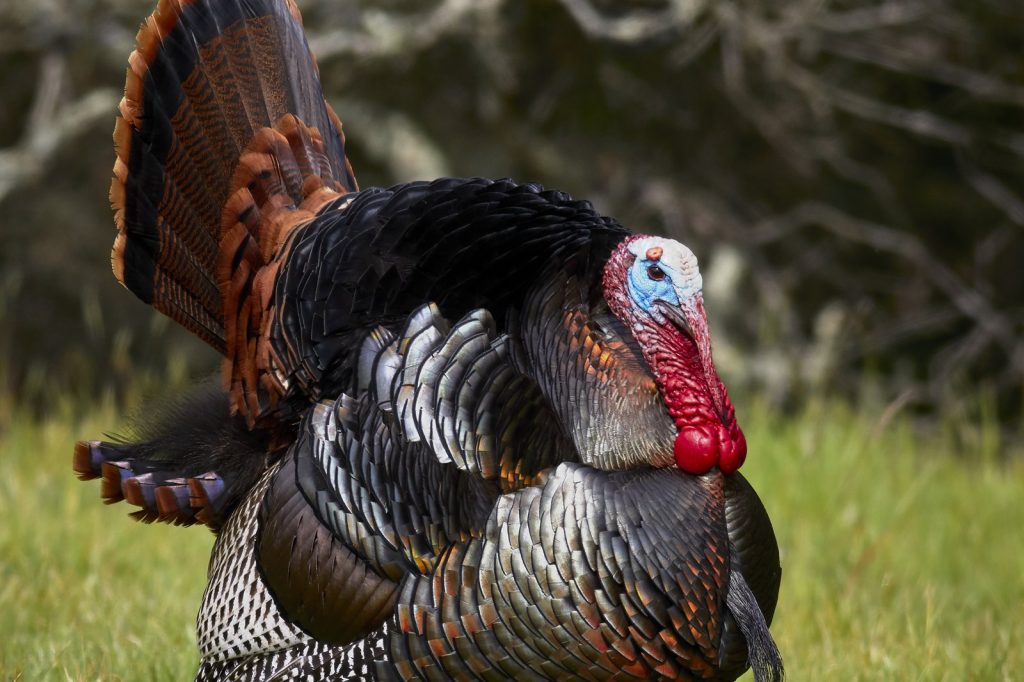
Michigan residents have already sent in more than 17,000 turkey sightings, and the state wants more. The Department of Natural Resources is running its wild turkey brood survey for a fourth summer, with reports accepted from July 1 through August 31.
The tally so far covers over 36,200 hens, 95,300 poults and 15,500 male turkeys. Those numbers come from the survey’s launch in 2023 through the last three seasons.
What to report
A brood is a hen with her young, or at least one adult hen and her chicks. Anyone who spots one can fill out a form on the DNR’s turkey brood survey page. It asks for the date, the location, and how many hens, poults and males were seen. Males are counted as gobblers, or jakes if they are juveniles about a year old.
Most reports take a minute or two. Participants log in with an email address, so biologists can tie observations to individual contributors when they analyze the data.
A single hen with two poults counts. So does a big flock feeding in a field.
Why broods
Counting young birds tells biologists more than counting adults. Given the numbers of hens and poults, they can work out average brood size and other signs of how well the young survive the summer.
“Broods tell us a lot about what happened during nesting season and the weeks immediately after hatching,” said Caitlin Ott-Conn, a laboratory scientist with the DNR Wildlife Division who oversees data collection and analysis. With thousands of people reporting from across the state, she said, the picture of reproduction is much clearer “than we could through traditional surveys alone.”
Adam Bump, the DNR’s upland game bird specialist, said weather, habitat and poult survival all affect turkey numbers. “By collecting observations year after year, we’re building a long-term dataset that helps us understand trends before they become problems,” he said.
“Summer is one of the best times of year to see wild turkey families,” Bump added.
Part of a wider effort
The Michigan survey belongs to a multistate project supported by the National Wild Turkey Federation, which uses one standard protocol. That lets biologists follow yearly changes at home and compare Michigan’s trends with other states.
The DNR calls the bird one of the state’s greatest wildlife conservation success stories. Turkeys were once locally extinct in Michigan. They are now found in every county.
Sources
- State asks residents to report turkey sightings to study reproduction success
- DNR: Help Track Michigan's Next Generation Of Wild Turkeys




