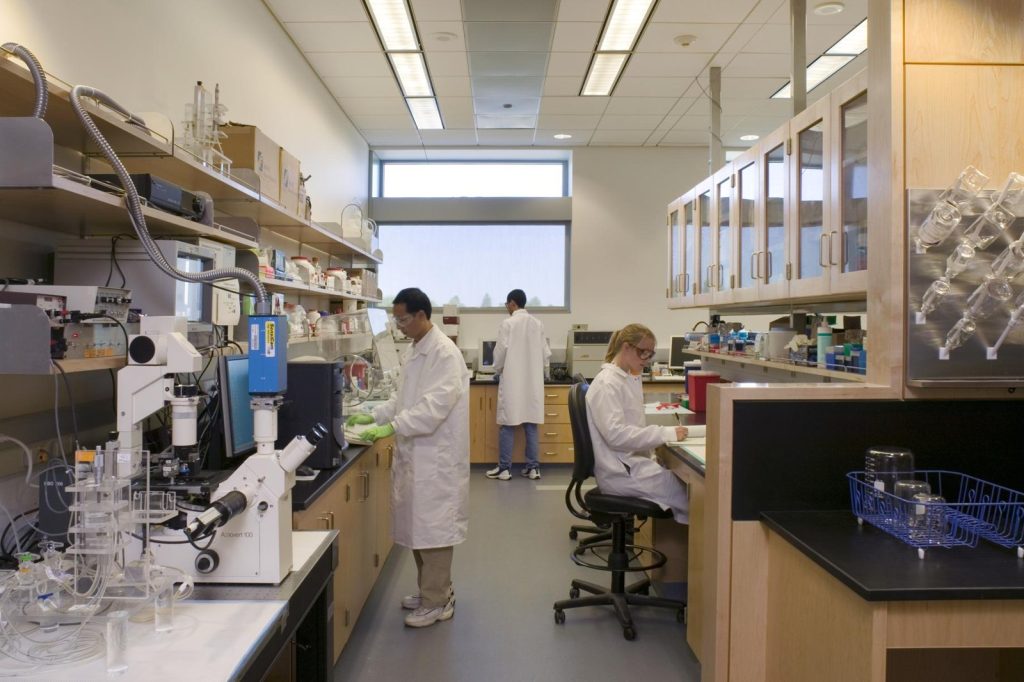
A Nasdaq-listed regenerative tissue company is now betting that a new laboratory will let it capture what it calls “a NEW Aesthetics Opportunity” — a phrase that signals the firm sees a gap in a market already crowded with injectables, lasers, and surgical procedures. The announcement, made July 1 on behalf of Conexeu Sciences Inc., did not name the lab’s location, its size, or how many people will work there. It did not say what products or procedures the facility will make.
It did not disclose the cost to build and equip the lab. No timeline was given for when full operations or commercial production might begin.
The missing details matter because they leave regulators, competitors, and investors guessing about the scope of the effort. The press release — issued by Biotech Insider acting for Conexeu Sciences — frames the lab as a deliberate step to scale an existing platform. That platform, according to the release, is built on regenerative tissue technology.
The company is listed on the Nasdaq exchange. The broader regenerative medicine sector has seen increased investor attention in recent months.
But the company has not said whether the new facility will require approvals from the U.S. Food and Drug Administration, the European Medicines Agency, or any other health authority. It has not said whether the lab will manufacture products that need clinical trials or that fall under existing regulatory pathways for tissue-based devices. That silence is notable.
Regenerative tissue products — especially those aimed at aesthetics — often sit at a regulatory crossroads. The FDA classifies some as devices, some as drugs, and some as biologics. The rules vary by what the product does, how it is processed, and where it comes from.
A lab that processes human tissue for implantation faces different oversight than one that makes synthetic scaffolds or cell-based creams. The release did not specify which category applies here.
It did not say whether the company has filed any premarket notifications, investigational device exemptions, or biologic license applications. It did not mention any pending or cleared regulatory submissions. For a publicly traded company, those are decisions that can shape the stock price and the competitive landscape.
A lab opening without a clear regulatory strategy can mean years of delay before revenue flows. It can mean unexpected costs for compliance, inspections, or redesign.
It can mean rivals with clearer regulatory paths get to market first. The release frames the lab as a move to capture an emerging segment. But emerging segments in aesthetics — such as fat grafting, platelet-rich plasma injections, or stem-cell facials — have already drawn scrutiny from regulators who warn patients about unproven treatments.
The Federal Trade Commission has taken action against clinics that marketed stem-cell therapies without evidence. The FDA has sent warning letters to companies selling unapproved regenerative products. Conexeu Sciences did not address any of that in its announcement.
It did not say whether its platform has been tested in humans. It did not say whether any of its products have been cleared for sale.
It did not say whether the new lab will operate under current good manufacturing practices or whether it will seek accreditation from any industry body. The release simply states the lab is open and that it represents the next step in scaling a platform for a new aesthetics opportunity. The record shows the announcement was made July 1.
The company has not commented further. The lack of regulatory detail means the lab’s real impact — on the company, on the market, on patient safety — remains unknown.
For now, the only certain thing is that a Nasdaq-listed firm has opened a door. What comes through it depends on decisions that have not yet been disclosed.