
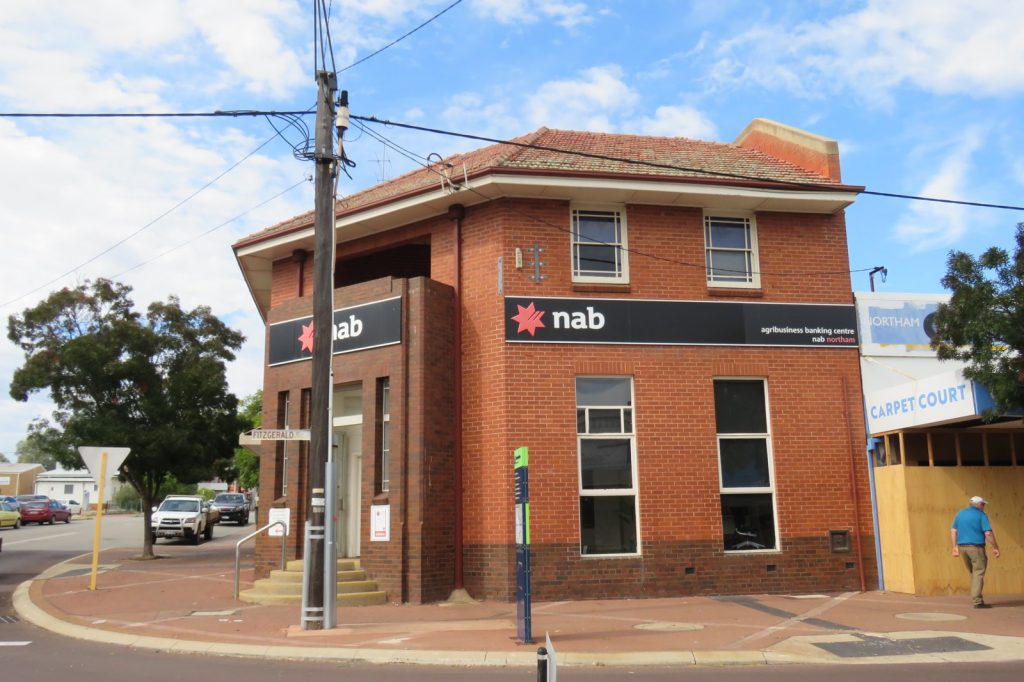
On February 4, 2019, a Royal Commission report revealed that the National Australia Bank (NAB) had been charging customers—including deceased individuals—for services that were never delivered. The findings have drawn scrutiny from regulators and customers toward one of Australia’s four largest financial institutions.
According to Wikipedia, NAB operates 3,500 Bank@Post locations and served 9 million customers as of January 2019. The bank holds an “AA−” long-term issuer rating from Standard & Poor’s, reflecting a relatively stable financial position. In 2019, NAB ranked as the world’s 21st-largest bank by market capitalization and the 52nd-largest by total assets, according to the same source.
The Royal Commission’s findings highlighted the bank’s failure to meet its obligations to customers, particularly in charging fees for services not rendered. The practice of billing deceased customers has raised questions about how NAB handles customer accounts and whether it provides fair and transparent services.
The exact details of these practices are not publicly available, but the commission’s report indicates systemic issues. NAB has not publicly commented on the specifics of the Royal Commission’s findings. The bank’s defense is not explicitly stated in the available information.
As the situation continues to unfold, the regulator’s findings may prompt changes in how banks operate and interact with customers, with a stronger focus on transparency and accountability. NAB’s size and reach underscore the importance of ensuring its business practices comply with regulatory requirements.
With a large customer base and an extensive network of Bank@Post locations and ATMs, the bank is a significant player in the Australian financial sector. The Royal Commission’s findings may lead to ongoing scrutiny of NAB’s actions and potential reforms in the broader banking industry. Wikipedia provides a historical record of NAB’s operations, including its market capitalization and total assets, which can inform discussions about the bank’s future direction. As of February 4, 2019, the situation is still developing, and it is crucial to rely on verifiable sources to analyze NAB’s practices and their implications for the banking sector.
The Royal Commission’s findings have highlighted the need for greater transparency in the banking sector. While NAB’s defense remains unstated, the bank’s actions will likely be subject to continued evaluation.
The commission’s report may influence regulatory changes aimed at ensuring fair treatment of customers across the industry.




