
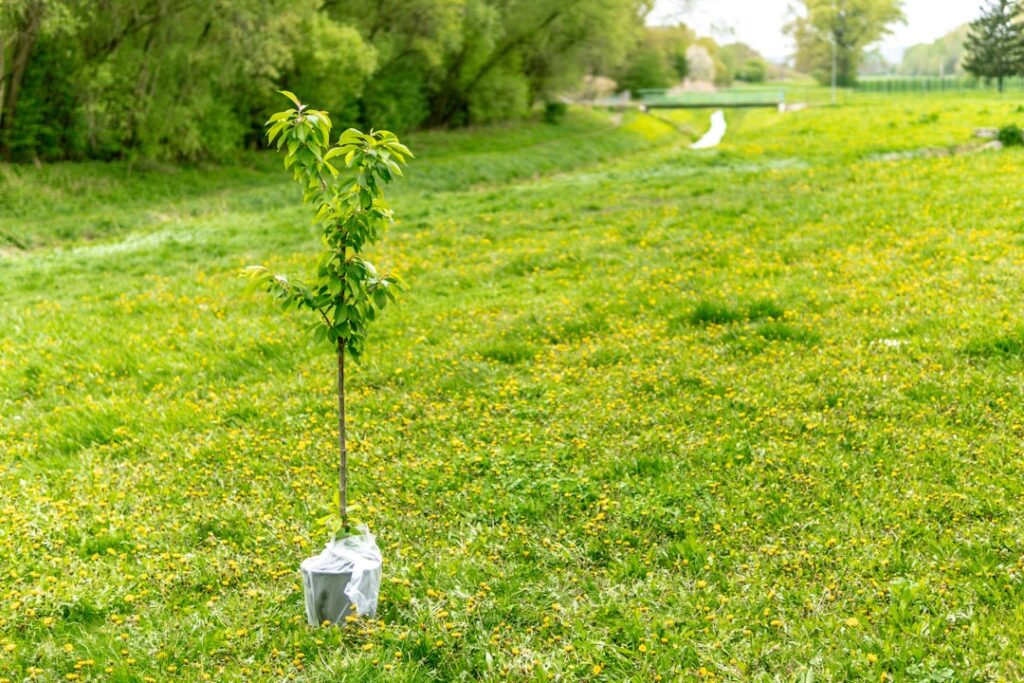
Nestle plans to put at least 3 million trees in the ground across Mexico and Brazil over the next year and a half. Executives told Reuters about the reforestation project, which is part of the Swiss food group’s push toward carbon neutrality by 2050.
Planting alone could cost as much as $45 million. That estimate rests on a price of $1 to $15 per tree.
Laurent Freixe, Nestle’s chief executive for the Americas, described the effort as a starting point. Mexico, where Nestle sources coffee, cocoa, sugar and dairy products, is the first place it will apply. “If we want to sustain the economy in this country, if we want to sustain our business in this country, we need to invest in the environment and sustainability, and enhance the biodiversity of the country,” Freixe said in an interview on Tuesday.
Where the trees go
Nestle is working with the non-profit One Tree Planted to choose species and sites. Mexico’s southeastern states of Tabasco and Veracruz are among the options.
Veracruz has a particular claim. A coffee-processing plant is due to start operating there in October, and Magdi Batato, Nestle’s head of operations, said the carbon taken in by the first million trees would eventually be enough to offset its emissions.
The plant cost $154 million. It is expected to process 20,000 tonnes of coffee per year and employ 250 people directly. Batato said that once it is fully running, its technology, automation and clean energy would make it a model among Nestle’s factories.
Mexican President Andres Manuel Lopez Obrador touted the project in 2018 as the first major investment announcement of his administration. He pointed to direct and indirect jobs and to the prospect of Mexico becoming Nestle’s top coffee producer.
Climate pressure on big brands
Microsoft and Amazon are among the corporations that have set ambitious targets to cut carbon emissions, often because customers and investors are demanding more action on climate change. Nestle, whose products range from KitKat chocolates to Nescafe coffee, Cheerios cereal and Poland Spring bottled water, signed a United Nations-backed pledge in September aimed at limiting global temperature rise. It also said it would adjust the business to favor renewable energy, alternative packaging materials and carbon absorption.




