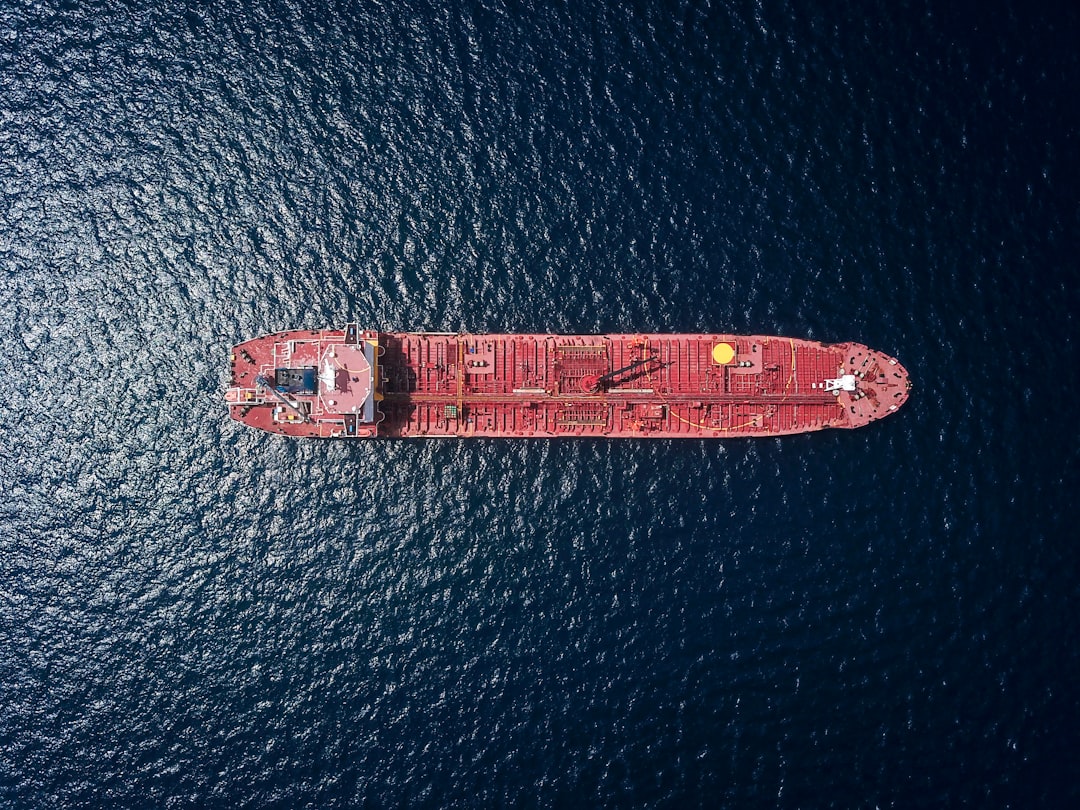
For decades, Nigerians have died the same way: scrambling for fuel spilled from a wrecked tanker, then caught in a fireball. The July 23 explosion in Ondo State was no exception. Eight people were killed instantly. They had been siphoning gasoline from a tanker that had crashed.
This is not a freak accident. It is a pattern. The risk is well known. The behavior is predictable. And the deaths keep coming.
Nigeria is Africa’s largest oil producer. Yet its people face constant fuel shortages. Petrol prices have climbed steeply since the government ended a costly subsidy in May 2023. A liter that cost 197 naira now sells for 500 or more. Many cannot afford it. So when a tanker overturns on a highway and fuel pools on the asphalt, people come with jerrycans. They see free fuel. They do not see the explosion coming.
Ondo State, the “Sunshine State,” sits in southwestern Nigeria. Its capital, Akure, was once the seat of the ancient Akure Kingdom. The state has mangrove swamps near the Bight of Benin and a predominantly Yoruba-speaking population. It is the 18th most populated state in the country. None of that protected the eight who died.
The explosion happened on July 23. The tanker was involved in an accident. Then it exploded as people tried to siphon fuel. Emergency response, when it arrived, faced a scene of burned bodies and melted plastic containers. The state has emergency systems, but they are often slow and underfunded. Rural roads see long delays for ambulances and fire trucks.
Authorities have promised an investigation. They will look for the cause of the initial accident and the explosion. They will try to find out if the driver was speeding, if the road was bad, if the tanker was poorly maintained. These investigations rarely lead to prosecutions. They rarely lead to new safety measures. They rarely stop the next tanker from exploding.
The real problem is deeper. Nigeria relies on imported refined fuel. Its own refineries are broken. The state-run refineries in Port Harcourt, Warri, and Kaduna have operated at a fraction of capacity for years. So fuel travels by road, in tankers, across long distances. The roads are narrow, often potholed, and poorly lit. Tankers are old. Drivers push hard to make deliveries. Accidents are frequent.
When a tanker spills, the local population faces a choice. They can walk away and let the fuel soak into the ground. Or they can try to collect it and sell it. For many, the choice is economic. A few jerrycans of petrol can feed a family for weeks. The risk of death is abstract. The hunger is not.
Renewable energy is often proposed as a solution. Solar and wind power offer alternatives to a fuel system built on imported petrol and dangerous trucking. But the transition is slow. Solar panels are expensive. The grid is unreliable. And the culture of siphoning spilled fuel will not disappear overnight.
Eight people died in Ondo State on July 23. They were not the first. They will not be the last. The Nigerian government has a choice. It can invest in safer roads, better tankers, and faster emergency response. It can fix the refineries and reduce the need for long-distance fuel trucking. It can enforce laws against siphoning. Or it can wait for the next explosion, and the next, and the next.