
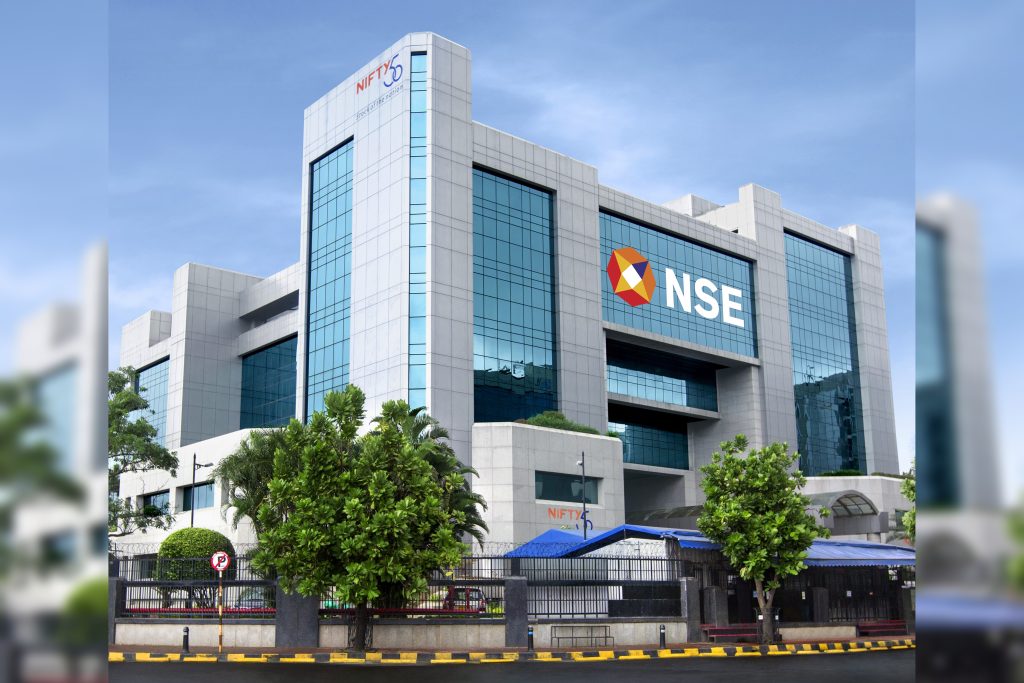
Copper, aluminium, zinc, lead and nickel: India burns through all five in large quantities, and the National Stock Exchange of India (NSE) now wants more of the country’s metal users hedging their prices on an exchange. On June 22, 2026, NSE announced a Memorandum of Understanding with Bharat Metal Exchange Ltd. (BME) covering non-ferrous metal derivatives.
BME was previously called the Bombay Metal Exchange. According to the filing, it has been tied to the non-ferrous metals trade for more than nine decades. NSE started operating in 1994 and brought electronic trading to Indian markets. The exchange said it was the world’s largest derivatives exchange by trading volume in 2025.
Who gets pulled in
The two organisations plan outreach on non-ferrous derivatives and price-risk management. The audience is broad: producers, consumers, processors, traders, importers, exporters and industry associations in the metals sector. Financial market participants are expected to join the conversations too.
The aim is familiarity. Many firms that buy or sell metals still do not use exchange-traded products to manage price swings, and the outreach is meant to change that.
Why metals users care
Metal prices move, and companies feel it. Raw material costs shape purchasing decisions, inventories and contracts, most of all in sectors where metals take up a large share of spending. India’s consumption runs through construction, manufacturing, power equipment, renewable energy and electric vehicles.
Demand for ways to manage commodity price volatility has grown alongside that activity, as domestic manufacturing, infrastructure building, renewable energy investment and electric mobility keep expanding.
What the agreement covers
Product work is part of the deal. NSE and BME will develop products in the non-ferrous segment, and they will run awareness programmes on hedging through exchange-traded derivatives. The announcement said the pairing joins NSE’s derivatives platform with BME’s industry network.
Each side brings something the other lacks. BME has long-standing links with participants in the physical metals trade; NSE runs the marketplace for derivative contracts. BME continues to operate as a trade body serving the non-ferrous metals industry.
The partnership sets out a framework for engagement between physical metals businesses and the derivatives market, with outreach programmes and product work as the two main activities. Both organisations described it as support for the development of India’s commodity markets and wider access to transparent, efficient risk management tools. No launch dates for any new contracts were given.
Sources
- NSE Signs MoU with Bharat Metal Exchange (BME) to Promote Non-Ferrous Metal Derivatives in India
- NSE signs MoU with Bharat Metal Exchange to boost non-ferrous metal derivatives market
Sources
- NSE Signs MoU with Bharat Metal Exchange (BME) to Promote…
- NSE signs MoU with Bharat Metal Exchange to boost non-ferrous…




