
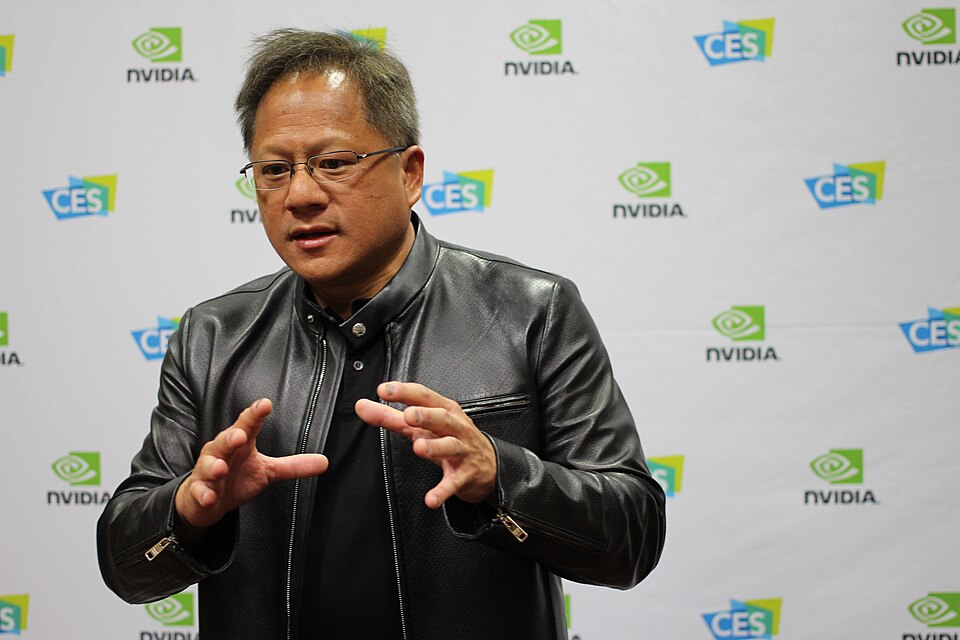
SANTA CLARA, July 6 — For communities across Asia watching the global tech sector, the numbers coming out of the United States are hard to ignore. Nvidia, the company behind the graphics processing units that power most artificial intelligence training, saw its stock price rise over 400% from 2022 to 2025. That kind of growth turned the firm into one of the most valuable companies on the planet.
But Nvidia is not alone. Microsoft, a major investor in the AI research lab OpenAI, integrated artificial intelligence into its own products and saw its market capitalisation exceed $3 trillion.
Alphabet, Amazon, and Meta Platforms have all poured significant resources into AI infrastructure as well. Closer to home, the ripple effects of this concentration matter. A US Treasury report notes that these five companies accounted for over 25% of the S&P 500’s total market capitalisation as of early 2025.
That is a level of market concentration the report describes as historically dangerous.
What this means for families across the region
For ordinary people in the Philippines, Indonesia, and across Southeast Asia, the dominance of these few firms is not an abstract Wall Street story. The chips Nvidia designs power the cloud services and AI tools that students use for research, that small businesses rely on for digital payments, and that governments are beginning to adopt for public services. When a handful of companies hold that much sway over a major index, it raises questions about stability.
If one of these tech giants stumbles, the impact would not be contained to Silicon Valley. It could affect pension funds, retirement savings, and the cost of capital for tech startups in Manila, Jakarta, or Ho Chi Minh City.
The Treasury report’s warning about concentration is a reminder that what happens in the US stock market does not stay there.
A closer look at the numbers
The Treasury report does not mince words. It says that five companies—Nvidia, Microsoft, Alphabet, Amazon, and Meta Platforms—now represent over a quarter of the entire S&P 500’s value. That level of market concentration is, in the report’s own assessment, historically dangerous.
The run-up has been staggering. Nvidia’s stock price rose over 400% in just three years.
Microsoft’s market cap crossing $3 trillion puts it in an elite club. But the report’s warning suggests that such top-heavy markets can be fragile. What to watch next is whether regulators in the US or elsewhere begin to take a closer look at this concentration.
For communities across Asia, the question is not just about stock prices. It is about whether the digital infrastructure that families and businesses depend on every day is built on a foundation that is stable for the long term.
{“@context”: “https://schema.org”, “@type”: “NewsArticle”, “headline”: “Nvidia and Microsoft Lead AI Stock Surge Driving Market Concentration”, “description”: “SANTA CLARA, July 6 — For communities across Asia watching the global tech sector, the numbers coming out of the United States are hard to…”, “datePublished”: “2026-07-06T09:30:00+00:00”, “author”: {“@type”: “Person”, “name”: “Merry Gel Sigui”}, “publisher”: {“@type”: “Organization”, “name”: “InfoPulse Today”, “url”: “https://newsfeed.infopulsetoday.com/”}}




