
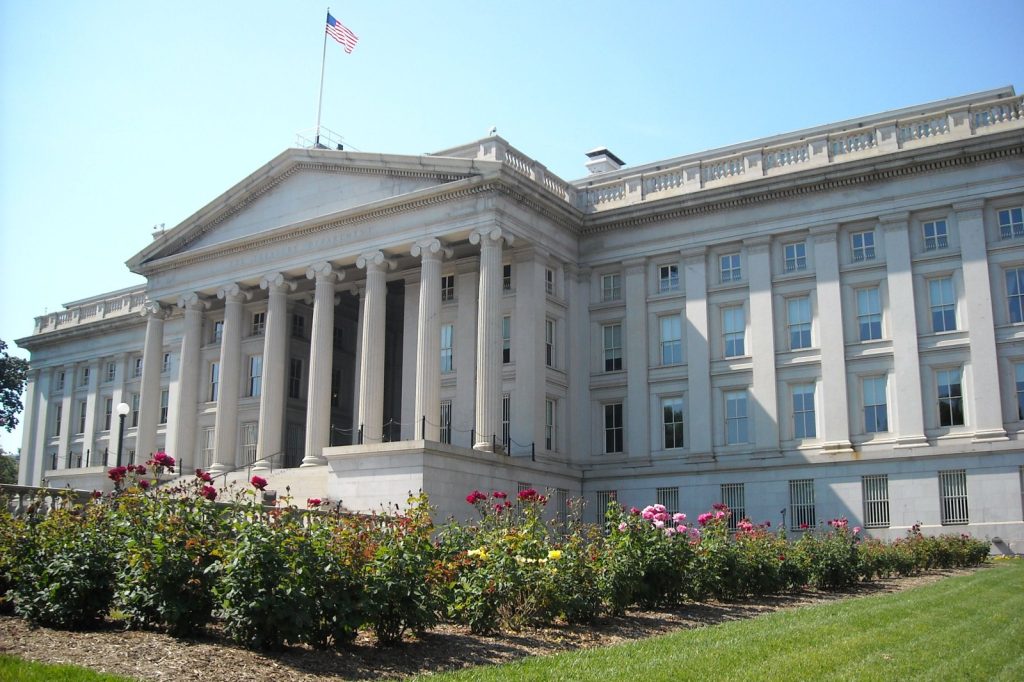
WASHINGTON, July 6 — A confidential Treasury Department report is quietly making the rounds inside the federal government, and it paints a picture of regulators scrambling to get a handle on the financial risks swirling around artificial intelligence.
The internal document recommends a suite of possible actions, from forcing banks to stress-test their exposure to AI to requiring companies to be more transparent about their AI-related investments. It also suggests the Securities and Exchange Commission is weighing rules that would compel AI firms to hand over more detailed financial projections. Think of it like the early days of the internet boom, when regulators were trying to figure out if the dot-coms were building real businesses or just selling hype.
Here’s the tricky part, in plain terms: the report acknowledges that any regulatory response has to walk a tightrope between encouraging innovation and keeping the financial system stable. But the timeline for action is anything but certain. The report hasn’t been made public, and it’s already facing political opposition from pro-business lawmakers who worry about stifling a promising industry.
One of the more dramatic options on the table would involve the Federal Reserve raising interest rates specifically to cool speculative fervor around AI. The practical upshot of that move, however, would be slower economic growth across the board — a blunt instrument for a targeted problem.
The report also calls for coordination with international regulators through the Financial Stability Board, signaling that Washington sees this as a global issue, not just a domestic one. Market analysts, meanwhile, are watching historical patterns of technology bubbles and predicting that a correction could occur within the next 12 to 18 months.
So what does this mean for ordinary readers? If you’ve been watching AI stocks surge, the message from the Treasury is essentially: proceed with caution. The regulatory machinery is turning, but slowly, and the political fights haven’t even really started yet. For now, the biggest question mark is whether the government can act before the market corrects itself.
{“@context”: “https://schema.org”, “@type”: “NewsArticle”, “headline”: “Market Regulatory Responses Loom Amid Correction Fears”, “description”: “WASHINGTON, July 6 — A confidential Treasury Department report is quietly making the rounds inside the federal government, and it paints a picture of regulators…”, “datePublished”: “2026-07-06T09:30:00+00:00”, “author”: {“@type”: “Person”, “name”: “Erika Johnson”}, “publisher”: {“@type”: “Organization”, “name”: “InfoPulse Today”, “url”: “https://newsfeed.infopulsetoday.com/”}}




