
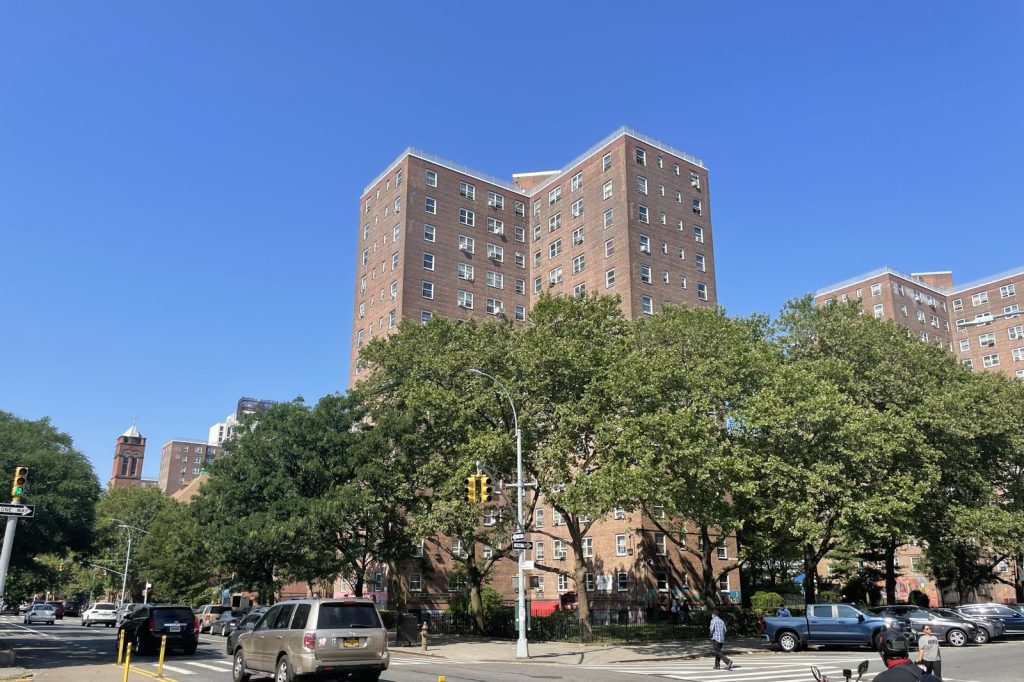
Nearly five decades after its creation in the wake of a municipal fiscal crisis, the New York City Department of Housing Preservation and Development finds itself at a pivotal juncture. As the largest municipal developer of affordable housing in the United States, HPD is simultaneously pushing toward Mayor Bill de Blasio’s ambitious 2026 target of 300,000 affordable housing units while grappling with longstanding critiques of its enforcement tactics and property transfer policies.
The agency’s dual mission—to preserve the existing housing stock and to develop new affordable homes—places it at the center of the city’s response to a persistent shortage of housing for low- and moderate-income residents.
A Legacy Born from Crisis
HPD was established in 1978 under Local Law 45 of 1976, a direct response to the city’s mid-1970s fiscal crisis. That period saw widespread abandonment of residential buildings, particularly in low-income neighborhoods, as the city struggled to maintain basic services.
The new agency consolidated housing functions that had previously been scattered across multiple city departments, creating a single entity responsible for both preserving existing housing and developing new affordable units. Today, HPD enforces the city’s Housing Maintenance Code, which covers conditions including heat, hot water, mold, pests, gas leaks, and fire safety. Its regulations are compiled in title 28 of the New York City Rules, and the agency performs over 500,000 inspections annually.
Enforcement tools range from owner outreach and Housing Court cases to ordering emergency repairs, giving HPD broad authority over the daily living conditions of millions of renters across the five boroughs. The agency is currently led by Commissioner Dina Levy, who reports directly to the mayor.
Her predecessors include a notable roster of former commissioners: Adolfo Carrión Jr., Maria Torres-Springer, Vicki Been, Jerilyn Perine, Richard Roberts, Shaun Donovan, and Ahmed Tigani. HPD is headquartered in Lower Manhattan, with branch offices in each of the five boroughs, reflecting its citywide reach. By the end of 2021, the city had financed more than 200,000 affordable homes since 2014, breaking the all-time record previously set by former Mayor Ed Koch. That pace is central to the Housing New York initiative, which aims to create and preserve 300,000 units by 2026.
The Third Party Transfer Program and Its Critics
Since 1996, HPD has operated a Third Party Transfer Program, or TPT, which began under Mayor Rudolph Giuliani. The program transfers derelict, tax-delinquent buildings to nonprofits for rehabilitation and management. Supporters argue that TPT frees the city from direct ownership and responsibility for tenants, allowing specialized organizations to restore distressed properties. However, the program has drawn criticism for what some describe as relatively blunt treatment of distressed properties in blighted areas.
Critics contend that the program can sweep up buildings with relatively small tax liens, applying a one-size-fits-all approach to complex situations. The tension between efficient property turnover and nuanced neighborhood conditions remains a persistent challenge for the agency as it balances development goals with code enforcement and community planning.
HPD engages neighborhoods in planning, working with other city agencies and communities to plan for the preservation and development of affordable housing. This collaborative approach is essential in a city where the agency’s enforcement powers directly affect the daily living conditions of millions of renters. How HPD balances its development goals with code enforcement and neighborhood planning shapes both the skyline and the quality of life across the five boroughs.
The agency’s current push under the Housing New York initiative aims to create and preserve hundreds of thousands of affordable units by 2026, building on the record pace set in the years following 2014.
Why This Matters Now
New York City faces a persistent shortage of housing that is affordable to low- and moderate-income residents. HPD sits at the center of the city’s response, wielding both development authority and enforcement power.
The agency’s ability to navigate old and new controversies—from the legacy of the TPT program to the pressure of meeting the 2026 target—will determine not only how many affordable units are created but also how effectively the city addresses the conditions that affect renters every day. With over 500,000 inspections conducted annually and a regulatory framework compiled in title 28 of the New York City Rules, HPD’s actions have immediate consequences for millions of New Yorkers.
As the city approaches the 2026 deadline, the agency’s balancing act between development, enforcement, and community engagement will remain a defining feature of New York’s housing landscape.
{“@context”: “https://schema.org”, “@type”: “NewsArticle”, “headline”: “New York’s housing agency faces pivotal moment amid affordability push”, “description”: “NEW YORK, July 17 — Nearly five decades after its creation in the wake of a municipal fiscal crisis, the New York City Department of…”, “datePublished”: “2026-07-17T09:30:00+00:00”, “author”: {“@type”: “Person”, “name”: “Ethan Smith”}, “publisher”: {“@type”: “Organization”, “name”: “InfoPulse Today”, “url”: “https://newsfeed.infopulsetoday.com/”}}




