
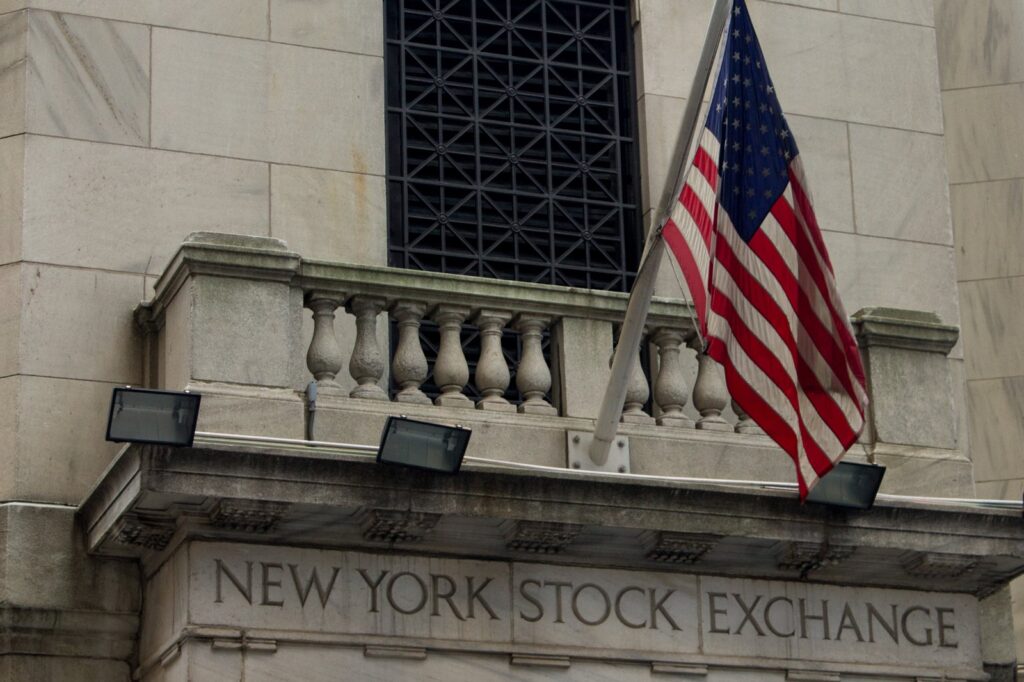
The borrowed money propping up the US stock rally is getting more expensive, and that puts local investors who rode the wave on margin in a tight spot. New York Stock Exchange data shows margin debt hit a record $1.42 trillion in May. Financing costs for equity positions are now at their highest since December 2024.
For anyone here who borrowed to buy stocks, the monthly bill just got bigger. The record debt figure is the headline.
The real story for local traders is what happens when carrying that debt stops being cheap. When leverage costs rise, the pressure to sell builds. It is not a theory.
Past peaks in margin borrowing have often preceded market corrections. The May number may be the top.
If it is, the selling could start with stocks and spread fast. Bitcoin and other digital assets have moved in close lockstep with the S&P 500 through much of 2026. That correlation matters locally.
Crypto trading desks here saw heavy volume during the rally. A pullback in leveraged equity positions tends to trigger simultaneous selling in crypto. Traders unwind positions across both asset classes to meet margin calls.
The same borrowed money that bought stocks also bought Bitcoin. When the lender demands cash, everything gets sold.
Bitcoin has held relatively steady in recent weeks. That calm may not last. The underlying leverage picture is shifting.
If margin debt begins to decline from the May record, the selling pressure could hit both stocks and digital assets. Local brokers are watching the NYSE data closely.
They know what happened the last time margin debt peaked and then fell. The US administration has not commented on the figures. The Federal Reserve’s next policy decision is scheduled for late July.
That meeting could set the tone for borrowing costs going forward. Until then, the cost of leverage is the highest it has been in about seven months. Every day that financing stays expensive increases the incentive to deleverage.
For local investors sitting on margin positions, the math is simple. The borrowed money that helped drive the rally is getting more expensive.
That changes the calculation. A stock that looked like a good buy at 4% financing looks different at 6% or 7%. The same goes for crypto.
The rally was fueled by cheap debt. That fuel is no longer cheap.
What happens next depends on whether traders decide to hold or fold. The record shows one clear fact: margin debt is at an all-time high, and the cost of carrying it is rising. That combination has historically ended badly.
Local investors who borrowed to buy the rally are now paying more to stay in the game. Some will decide the cost is too high. That is when the selling begins.




