
Twelve commodity vessels crossed the Strait of Hormuz on Sunday. Four days earlier, 70 had made the trip in a single day.
The drop followed a strike on a vessel transiting the strait on Saturday morning, and a fresh exchange of fire between the United States and Iran that strained the preliminary deal meant to end the conflict. Kpler, the maritime tracking firm, counted 29 commodity vessels on Saturday and 12 on Sunday.
Last week had looked very different. A memorandum of understanding signed by Tehran and Washington on June 15 lifted traffic to its highest level since the Middle East war began, with 70 crossings on Wednesday, according to Kpler.
Routes still in use
Iran had warned ships against using unapproved lanes. They kept using several anyway. After Saturday’s strike, vessels continued for several hours to run a southern corridor through Omani waters before traffic appeared to slow, according to MarineTraffic, a Kpler-owned website. It tracks only ships with active transponders, so others may have crossed with their signals off. Kpler said the totals could rise as satellite imagery identifies more crossings.
More ships entered the Gulf over the weekend than left it. That reversed the previous week, when the effort centered on getting stranded seafarers out. A UN-led operation to evacuate 11,000 of them was suspended on Thursday after a vessel was struck in the Gulf of Oman. On Sunday, four tankers and a container ship entered through the southern Omani corridor under US Navy escort, according to HFI Research. Nothing left the Gulf that way, Kpler said.
Who runs the strait
Iran said on Monday it had held its first meeting with Oman on managing the strait. “During a trip to Muscat, the first meeting of the Joint Hormuz Committee was held,” Iranian Deputy Foreign Minister Kazem Gharibabadi said on X. “While reviewing the current issues related to the strait, we exchanged views on the future management.” He did not say when the meeting took place.
Fees are the sticking point. Iran is weighing “service fees” for ships, a charge that did not exist before the war. Washington says Hormuz is an international waterway and will not accept transit charges. Oman says no passage fees are planned, and it opened a temporary corridor near its coast, which it said was coordinated with the United Nations. Iran rejected that, saying the only authorized corridor runs along its own coastline.
Foreign Minister Abbas Araghchi warned on Sunday that using alternative routes risked “escalating tensions.” His comments came after Iran struck a commercial vessel in the strait and the United States answered with strikes on Iranian coastal targets.
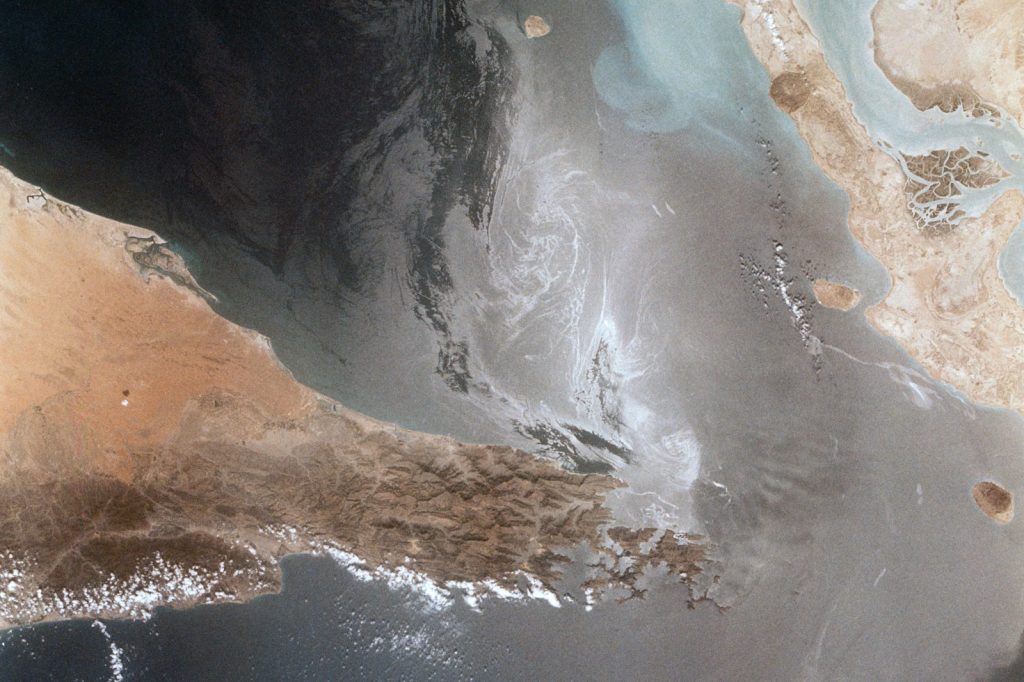
Under the June 15 memorandum, passage stays toll-free for 60 days after signing. What happens after that is unclear. The strait is about 30 kilometers (18 miles) wide at its narrowest and is the main export route for Gulf oil and gas.
Sources
- Hormuz traffic drops after Saturday strike on vessel
- Hormuz traffic falls after vessel strike; Iran and Oman discuss strait management




