
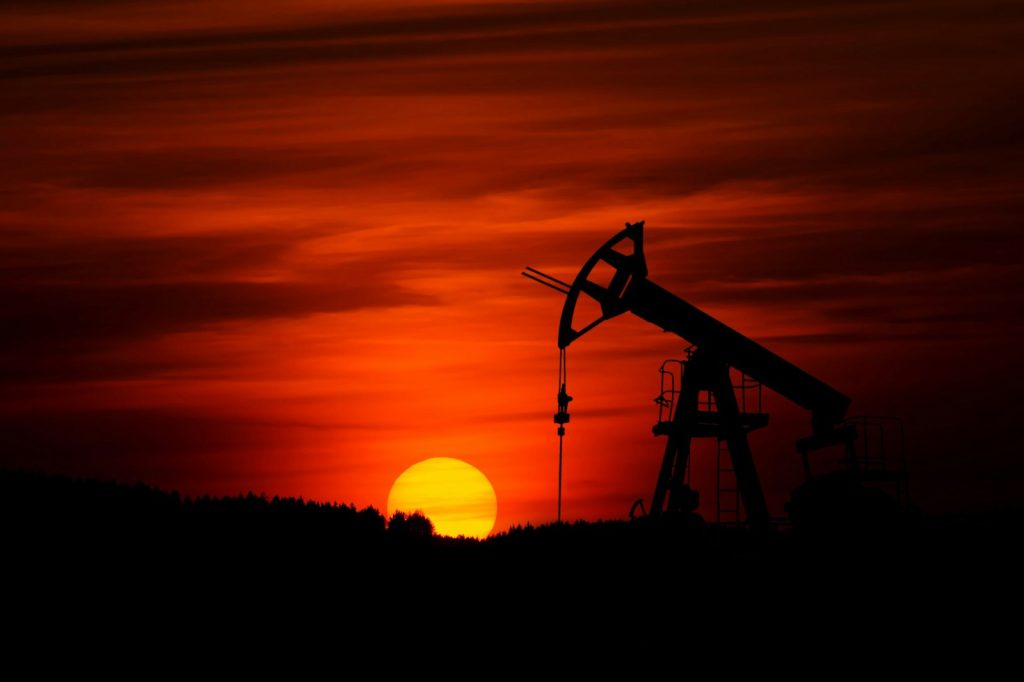
Brent crude closed in on $105 a barrel on Thursday, September 10, and the bond market answered by selling off hard. The jump came from fresh fighting between the United States and Iran. Brent rose 3.6% to $105.37 early in the session, while West Texas Intermediate gained 4.2% to $100.10. Both were at their highest since May.
Kyle Rodda, a senior market analyst at Capital.com, put the logic plainly. Rising oil, he said, was keeping a lid on Wall Street because “escalating tensions between the US and Iran raise the risk of a deeper and more protracted conflict,” with investors pricing in the chance that the closure of the Strait of Hormuz drags on.
What the bond market did
Here is the mechanism. Expensive oil feeds inflation; inflation makes a Federal Reserve rate hike more likely; a likely hike pushes bond prices down and yields up. CNBC data cited by TheStreet showed the 10-year Treasury yield at 4.954%, up 11.4 basis points, and a 52-week high. Yahoo Finance put the 10-year at 4.91% at midday, its highest since 2023. The 2-year, the part of the curve most tied to Fed expectations, rose to 4.567% in the TheStreet tally. The 30-year touched 5.367%.
The effect spilled into household borrowing. Mortgage News Daily reported rates averaging 7.07%, the first time above 7% in over a year, up 10 basis points in a day. Yahoo noted that the Treasury had tried to calm yields with larger bond buybacks, to little effect.
Stocks fall for a fourth day
US equities lost ground for a fourth straight session. The S&P 500 slipped 0.58% to 7,591.79, the Dow Jones Industrial Average fell 0.60% to 52,064.46 and the Nasdaq Composite dropped 0.65% to 26,081.73. The Cboe Volatility Index rose 8.69% to 17.89. Technology and materials shares fell more than 1% each, and only communication services and consumer staples finished higher among S&P 500 sectors.
The producer price index added to the unease. Wholesale prices rose 0.4% in August, as economists had forecast, but the annual rate hit 5.4%, up from 4.8% in July. Traders put the odds of a Fed hike at its meeting next week near 69% to 70%, according to CME FedWatch. Polymarket showed 63%.
The supply side
Another jolt came from Riyadh. Saudi Arabia told OPEC that its output had fallen to 6.238 million barrels per day, the lowest level since 1990, Bloomberg was first to report. That was another 1.9 million barrels per day below its previous monthly figure. Yahoo Finance reported that the move pushed oil more than 5% higher at midday, with Brent above $107. Houthi attacks on Saudi energy facilities from Yemen added to the strain.
Drivers felt it quickly. The US average for gasoline reached $4.27 a gallon, up from $4.22 the day before, and diesel averaged $5.97.
Friday’s consumer price index is now the hinge. The consensus forecast was a 0.4% monthly rise and a 3.4% increase over twelve months. James DePorre, a TheStreet Pro contributor, said that Fed Governor Waller had indicated he would vote to hold if core prices rose 0.2% and back a hike if they came in higher. A single tenth of a percentage point, DePorre said, could tip the decision.
Sources
- Stock Market Today (Sept. 10, 2026): S&P 500, Nasdaq decline as Brent oil hits highest point since July – TheStreet
- Stock market today: Dow, S&P 500, Nasdaq fall for fourth straight day as bond yields jump, oil stays above $100




