
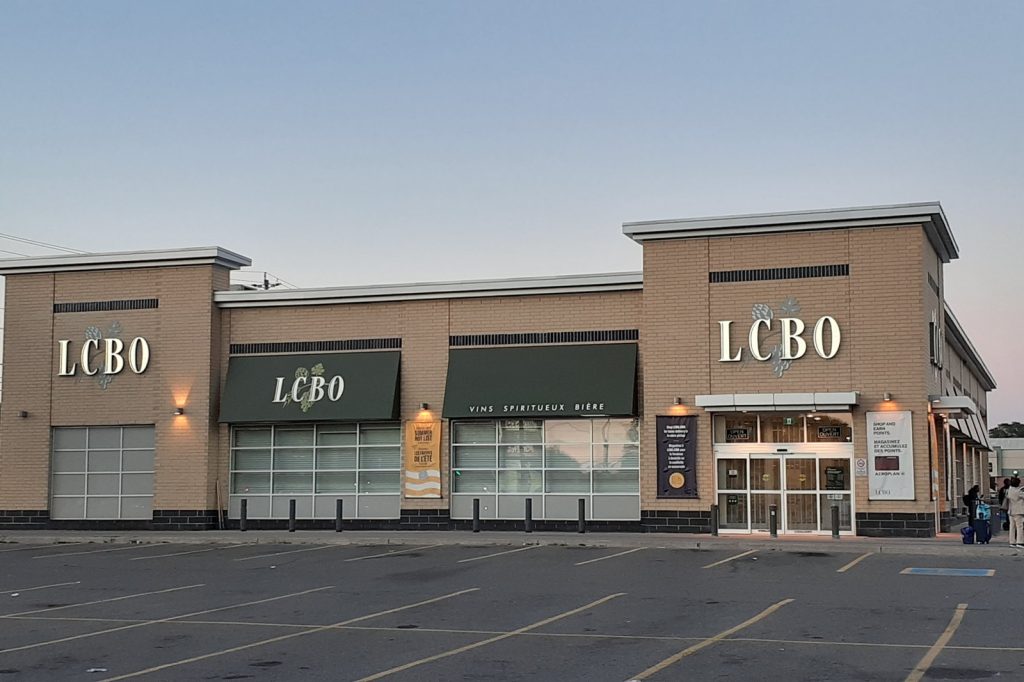
Ontario owns roughly $79.1 million worth of American wine and spirits that nobody can buy. Staff at a Toronto LCBO pulled the bottles from shelves on March 4, 2025, after the province answered U.S. President Donald Trump’s tariffs and annexation threats by delisting U.S. alcohol. More than a year later, the stock is still in storage.
Keeping it there is not free. Michael Armstrong, an associate professor at Brock University who studies operations and logistics, estimates the carrying costs at roughly $10 million to $30 million a year. That covers warehousing, insurance, security and the capital tied up in the inventory. He puts the likely figure at about $20 million.
“We’re willing to spend $20 million a year to not sell your booze,” Armstrong told CBC News. “Is that worthwhile? I have no way to judge that.”
He called the number a ballpark, built on an industry rule of thumb that annual carrying costs often run to about a quarter of a product’s value. “You would find it in an introductory textbook,” he said.
The LCBO did not respond by CBC’s deadline when asked what taxpayers are paying to store the unsold stock.
Redacted records
The size of the stockpile came out in November, in records CBC obtained through Ontario’s freedom of information law. Large parts of those documents were heavily redacted. CBC has challenged the redactions by the Crown corporation with Ontario’s Information and Privacy Commissioner.
Armstrong said the LCBO, like the Ontario Cannabis Store, often works with a high degree of secrecy. He questioned why broad details of the inventory would need to be confidential. “I don’t think there’s any particular reason to withhold that information from the public,” he said.
Why the ban bites
Andrew Muhammad, a University of Tennessee agricultural economics professor who studies alcohol trade, said the ban works because of how Canada sells liquor. Outside Alberta and Saskatchewan, provincial Crown monopolies control sales and can pull products from shelves fast. “What’s important here is rarely are bans this effective,” he said.
The numbers back him up. LCBO data shows Ontario wine’s market share rising from 27 to 31 per cent right after the ban, as Canadian and European producers filled the gap. Canada imported $221 million US worth of U.S. spirits in 2024, making it the industry’s second-largest export market after the European Union.
Muhammad said drinkers who try alternatives can stay with them. “I do think there’s real concern about some permanent loss in the Canadian market,” he said.
Holdouts
Other provinces have backed off. Alberta and Saskatchewan resumed imports through their privatized retail systems. Manitoba, Quebec and the Atlantic provinces went back to selling existing stock rather than keep warehousing it.
Ontario and British Columbia are among the hardest-line holdouts. Both still block the sale and import of American alcohol.




