
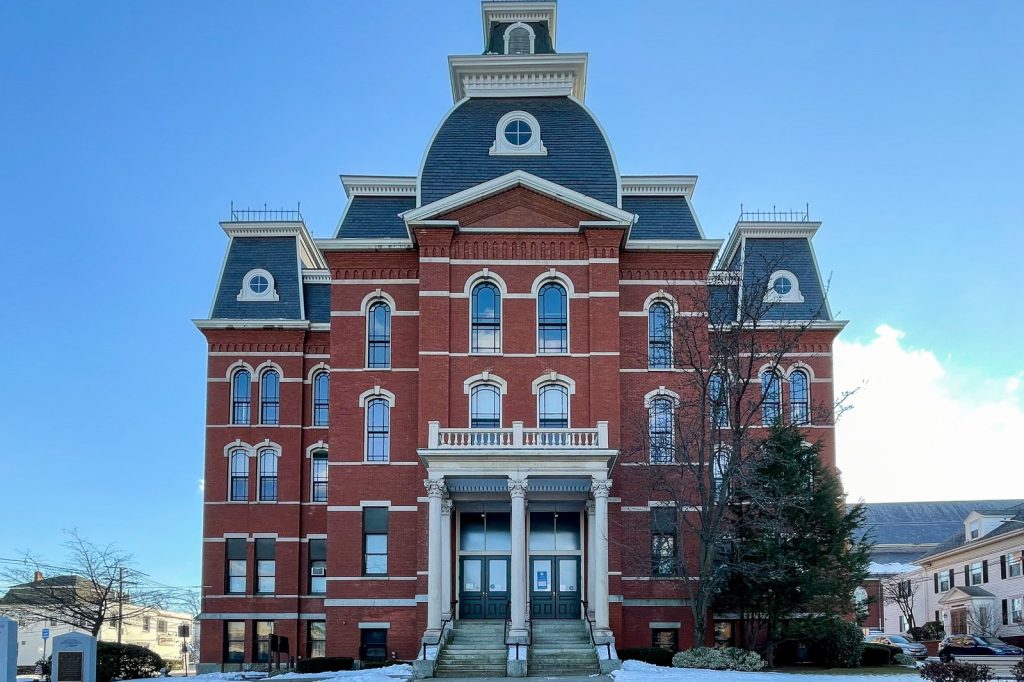
PEABODY, September 14 — For the third time in a decade, the hottest zip code in the United States is not in Austin, not in Boise, and not in Miami. It is here, in Peabody, Massachusetts, where the median listing sits at $600,000 and homes move in 20 days on market. The story begins with a contradiction that has come to define New England housing.
Massachusetts earns an F — 49th out of 50 — on Realtor.com’s state-by-state report card measuring affordability and new home construction. Only Rhode Island ranks lower.
Yet the region’s highly rated educational institutions keep drawing waves of young people, and half of them head for the exits on graduation, a considerable loss of leadership potential.
A Market That Builds Without Gaining
Thomas House, AIA, principal of THA Architects, LLC in Stratham, N.H., anchors the reporting on this regional divide. His framing is architectural rather than statistical, but the numbers behind it are stubborn. Westfield, Massachusetts, near Springfield, ranks No. 5 on the same list, buoyed by older, well-maintained homes that are move-in ready.
Go south to Rhode Island and the Rhode Island Association of Realtors reports a continued rise in prices and declining inventory, producing an increase in both the number of homes on the market and days on market. All those increases result in a decrease in sales.
One bright spot: the median price of multifamily homes skyrocketed by 15.1% year over year, while everything else increased. Connecticut brings the crazy. Regional divides make the state a kaleidoscopic real estate environment, and Fairfield County skews the numbers through its proximity to New York City, which drives competition for overpriced housing.
The dead zones are no surprise — the northern corners of the state, and the blighted post-industrial coast. Danbury sits in the middle of that map, within commuting distance of both New York and Hartford.
As CT Insider reports: “Danbury helps show the limits of any ‘hot’ or ‘cold’ ranking. Its housing market kept building and selling this year, yet the typical home is worth almost exactly what it was a year ago. In Connecticut, a market can be busy without gaining value, and it can gain value without being the busiest place in the state.”
Vacancy That Isn’t Vacancy
Look north and the picture inverts. Vermont, Maine, and New Hampshire have the highest share of vacant homes in the country, and almost none of them are available to rent or buy. Matt Schulz, LendingTree’s chief consumer finance analyst, told Boston.com that the findings illustrate why high vacancy rates can be misleading.
“All of these vacancies can be challenging because if a lot of the inventory in your area is sitting vacant and unavailable, it can push home costs and even rents higher,” Schulz said. “That’s the last thing anybody needs.” With so few vacant homes actually on the market, Schulz said, buyers and renters face tighter inventory, stronger competition, and higher prices.
Seasonal, vacation, or second homes are effectively out of bounds, greatly reducing the size of the functioning real estate market. New Hampshire, where 25% of the population was born in Massachusetts, is finding that prices nearing a million dollars are the brickwall limit at which a 90-minute commute no longer pencils out.
In Maine, a midyear report by Lamacchia Real Estate notes a 3.9% drop in pending sales following a 5.3% increase, with a prediction of “stable and balanced.” Vermont is beset with relatively high list prices and a longish 54 days on market, which by back-of-the-envelope calculation gives buyers some leverage — but where are the buyers? The forecast for that market is warm.
What to watch next is whether Peabody’s third turn at the top of the national list holds through the fall, and whether the multifamily surge in Rhode Island signals a durable shift or a single-quarter anomaly. For now, the charts of the past decade look less like trends and more like a cardiogram.




