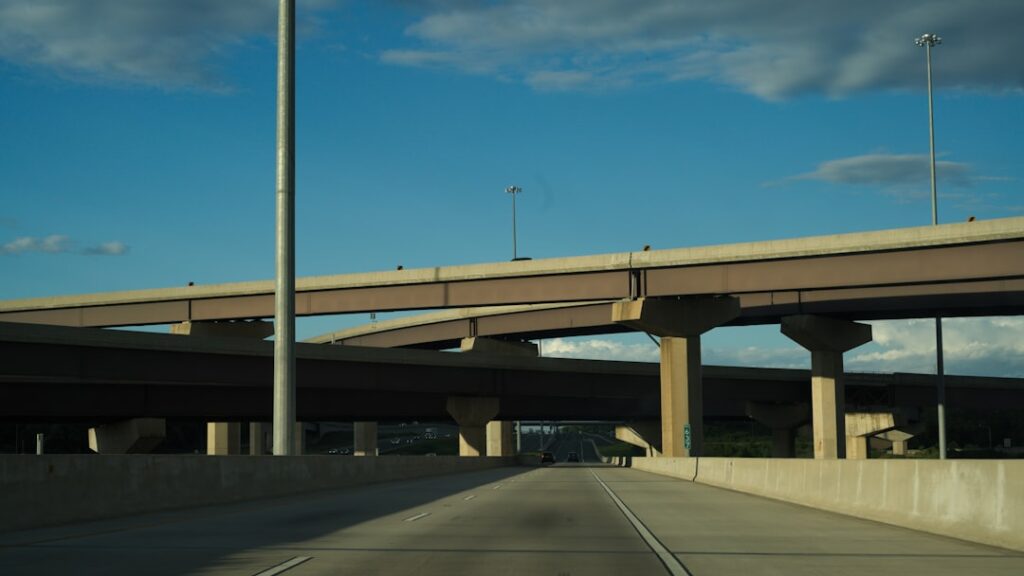
On June 11, 2023, a tanker‑truck fire caused an overpass on Interstate 95 in Philadelphia to collapse. The incident did more than damage concrete and steel; it disrupted the primary north‑south artery that links the Eastern Seaboard’s major cities.
I‑95 stretches nearly 1,900 miles from Miami, Florida, to the Houlton‑Woodstock border crossing between Maine and Canada, paralleling the Atlantic coastline and connecting hubs such as Jacksonville, Savannah, Richmond, Washington, D.C., and New York. The immediate consequence is a surge in traffic congestion. Commuters and freight operators who rely on the corridor must now navigate detours, turning nearby streets into temporary parking lots and lengthening travel times. For a truck driver transporting perishable goods from Florida to New York or a Philadelphia worker heading to an office, the added delay is a tangible daily challenge.
Economic ramifications follow the traffic slowdown. Businesses situated along the I‑95 corridor depend on the highway’s efficiency for timely deliveries and receipt of supplies.
The collapse has already introduced delays, higher transportation costs, and the risk of product shortages. While the local economy around the damaged overpass feels the impact first, the ripple effect will extend to markets farther up and down the route, translating into measurable losses in dollars and time. The event also spotlights broader concerns about the nation’s aging infrastructure.
A fire on a single tanker should not precipitate the failure of a major overpass, yet the incident revealed a vulnerability in a critical transportation link. The report accompanying the incident emphasizes the need for regular, thorough inspections and proactive maintenance to safeguard the integrity of highways that underpin regional economic and social stability.
In response, engineers and investigators are examining the debris and tracing the fire’s progression to determine why the structure gave way. Their findings will inform assessments of other I‑95 overpasses to gauge whether similar risks exist elsewhere along the route. Authorities have been urged to quickly evaluate the damage, initiate repairs, and restore full functionality, balancing speed with the extensive planning, funding, and construction required for such a project.
While reconstruction proceeds, detours and congestion are expected to persist, sustaining pressure on commuters and freight operators. The incident has ignited a wider dialogue about the capacity of existing infrastructure to handle heavy traffic volumes and the consequences of a single point of failure on a vital artery that runs parallel to U.S. 1 along the coast.
Philadelphia’s overpass collapse serves as a cautionary example for every city situated on I‑95. It underscores the urgency of addressing structural weaknesses before they translate into broader economic disruptions and highlights the essential role of vigilant maintenance in preserving the continuity of the nation’s most important highway.