
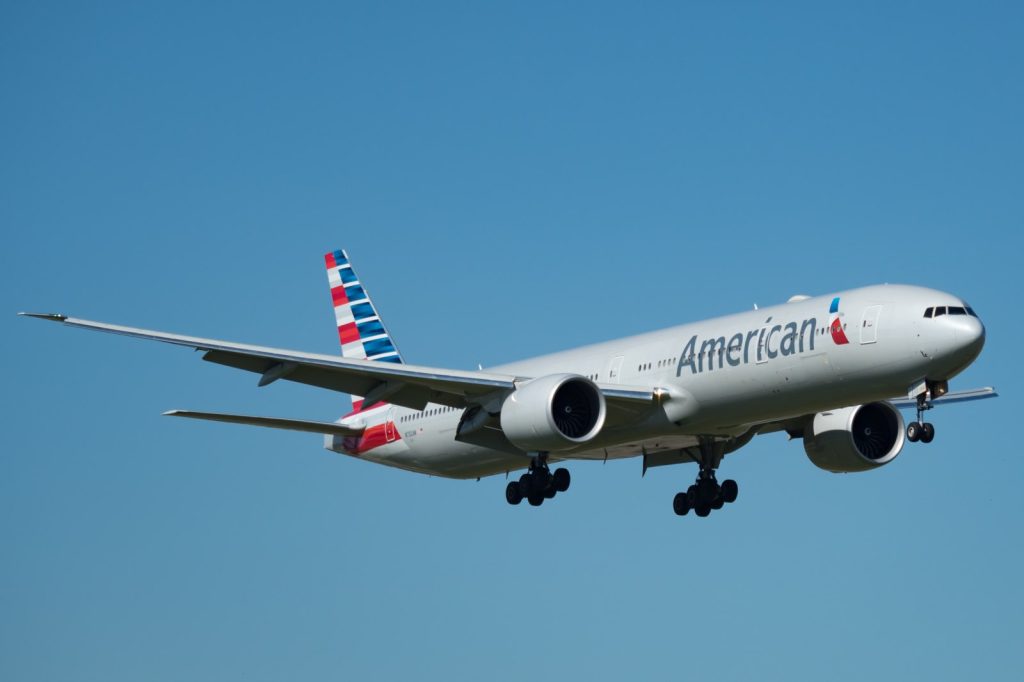
The coronavirus outbreak was declared a global health emergency on the same day the Allied Pilots Association went to court. That was January 30, 2020. The union filed a lawsuit in Dallas County, where American Airlines is headquartered, seeking a temporary restraining order to stop all U.S.-China flights immediately.
The timing was not accidental. By then, the World Health Organization had recorded 9,692 confirmed cases and 213 deaths.
The Centers for Disease Control and Prevention had already recommended against all nonessential travel to China. British Airways, Air Canada, Lufthansa, United, and Delta had all suspended or reduced service to the country. American Airlines had not.
American operates roughly 56 monthly flights between Dallas/Fort Worth International Airport and airports in China. The carrier had announced cancellations on the Los Angeles-to-China route, but only for February 9 through March 27.
The union argued that was not enough. APA President Eric Ferguson stated that the safety and well-being of crews and passengers must always be the highest priority. The union cited the CDC’s travel advisory in its lawsuit.
The logic was straightforward: if the federal government tells Americans not to go, why is an American airline still flying there? American Airlines responded by acknowledging the filing. The company said it was closely coordinating with the CDC and global public health officials to ensure all necessary precautions were being taken.
It did not announce any additional cancellations. The lawsuit landed in a specific legal context.
A temporary restraining order is an emergency measure. It requires a judge to find immediate, irreparable harm if flights continue. The union had to show that every day American flew to China, its pilots and passengers faced a concrete danger the airline was not adequately addressing.
The numbers from the outbreak gave that argument weight. On January 30, the WHO declared a global emergency.
The virus had spread beyond China’s borders. Cases were appearing in multiple countries. The death toll was rising.
Air travel is a known vector for infectious disease. Keeping a direct air link open to the outbreak’s epicenter carried obvious risk. Other airlines had already made the calculation differently.
British Airways stopped all flights to and from mainland China. Air Canada suspended service.
Lufthansa canceled. United and Delta reduced their schedules. American’s partial cancellation — only Los Angeles, only for a limited window — looked like a half-measure by comparison.
Why American held back is not stated in the union’s filing. Cost is one possibility.
China routes are profitable. Canceling them entirely means lost revenue and complicated logistics for passengers already booked. But the union’s position was that those considerations could not outweigh safety.
The lawsuit put the airline in a difficult position. If a judge granted the restraining order, American would be forced to suspend flights it had chosen to keep running. If the judge denied it, the union could argue the company was operating against CDC guidance and putting people at risk.
Either way, the public record would show a clear disagreement between the carrier and its own pilots. Dallas County is where the case will be heard.
That is American’s home turf. But legal venue matters less than the trajectory of the outbreak itself. By January 30, the virus was already moving faster than most airlines’ decision-making processes.
The union was trying to force the pace. The core question the lawsuit raised was simple: whose judgment should prevail when a union says its members are in danger and the company says it is taking adequate precautions?
The CDC had given its recommendation. Other airlines had acted on it. American had not.
The pilots went to court to make the airline comply.
{“@context”: “https://schema.org”, “@type”: “NewsArticle”, “headline”: “Pilots Union Sues American Airlines Over China Flights Amid Global Health Emergency”, “description”: “The coronavirus outbreak was declared a global health emergency on the same day the Allied Pilots Association went to court. That was January 30, 2020. The unio”, “datePublished”: “2020-02-01T15:00:00+00:00”, “author”: {“@type”: “Person”, “name”: “InfoPulse Today”}, “publisher”: {“@type”: “Organization”, “name”: “InfoPulse Today”}}




