
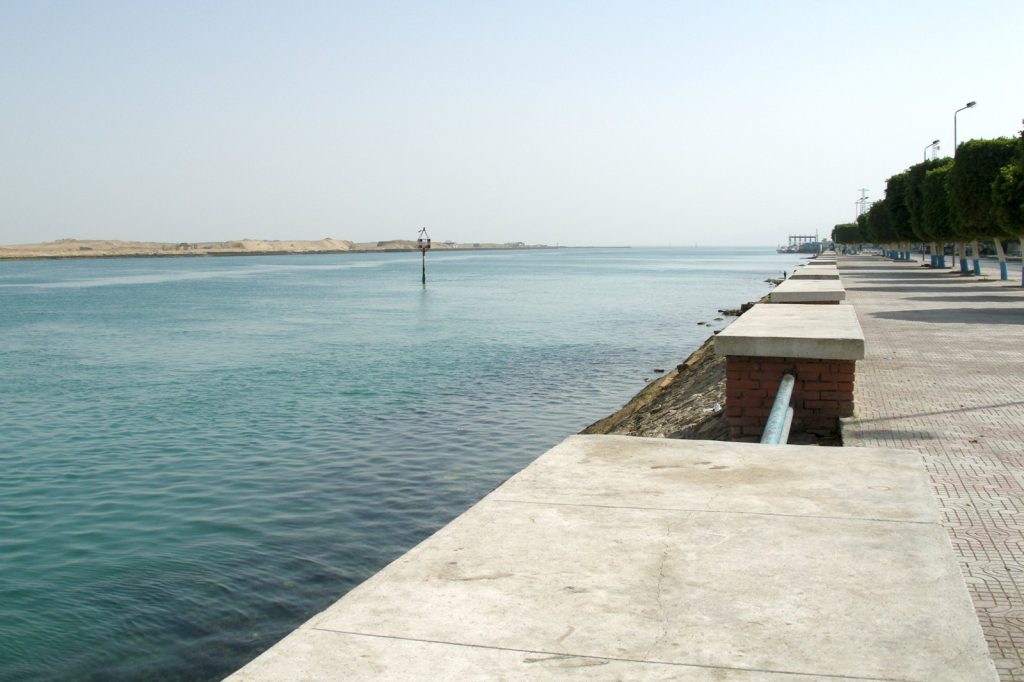
By the first half of February 2024, 586 container ships had been diverted away from the Red Sea, and container tonnage crossing the Suez Canal had fallen 82 percent. In 2023 the canal had carried roughly 22 percent of global seaborne container trade.
The cause was a run of attacks on ships in the Red Sea that began in November 2023. Many vessels chose the long way around Africa instead. The detour added about 10 days to a voyage and around $1 million in extra fuel per trip, and analysts put the rise in carbon emissions from the longer routes at 31 to 66 percent.
Prices and shortages
Freight costs moved fast. Average container spot rates from Shanghai more than doubled in early February 2024. On the route to Europe they jumped 256 percent, more than tripling. Container shipping, which carries consumer and manufactured goods, saw the sharpest increases of any cargo segment. Almost no LNG carriers were using the canal, and that pushed up gas prices.
Perishables suffered. Kenyan avocado exporters reported that trips to Europe that used to take 22 days now ran past 40, and even controlled-atmosphere containers could not stop more claims and rejections. In Europe, delays in general cargo, coffee in particular, fed into shop prices, and rerouted crude and LNG tankers raised fuel and heating costs.
Two canals at once
The crisis arrived while the Panama Canal was also in trouble. Transits through both the Suez and Panama canals were down by more than 40 percent from their peaks. Panama’s drought had cut daily crossings from an average of 36 to 22, with 18 planned. Most of the Suez drop came in two months, while Panama’s had built up over two years.
Which countries lose most depends on geography. Suez matters most to Sudan, where 34 percent of trade passes through, then Yemen at 32 percent, Djibouti at 31 percent and Saudi Arabia at 26 percent. For Egypt the canal earned $9.4 billion in 2022/23, about 2.3 percent of GDP, and the Red Sea crisis reportedly cut those revenues by 40 percent.
A new escalation
Confidence in a full return to Suez never came back. Maersk sent its MECL and ME11 services around the Cape of Good Hope again, citing operational constraints, just a day before a fresh escalation in the Middle East. Since then major carriers have suspended bookings, told ships to seek shelter and added emergency conflict surcharges. Tankers have been holding on both sides of the Strait of Hormuz, where a fifth of the world’s oil and gas normally passes.




