A tragic incident has unfolded in the Mediterranean Sea, where three people, including two children, were found dead on a dinghy attempting to cross from Libya to Italy. The German NGO RESQSHIP intercepted the boat and rescued the remaining 59 survivors, bringing them to safety in Lampedusa. This devastating event highlights the dangers faced by those attempting to make the perilous journey across the Mediterranean.
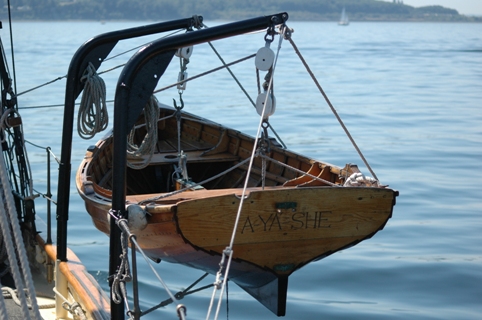
The dinghy, a small, versatile boat, was not designed for long-distance travel, especially in open waters. Typically used for transfers from larger vessels or as a tender, dinghies are not equipped to handle the harsh conditions of the Mediterranean. The fact that this particular dinghy was carrying 62 people, including children, underscores the desperation and risk involved in such journeys. As the world grapples with the complexities of migration and refugee crises, incidents like these serve as a stark reminder of the need for safe and regulated passage.
RESQSHIP, the German NGO responsible for the rescue, has been instrumental in providing aid and assistance to those in distress at sea. Their efforts have saved countless lives, and their dedication to humanitarian work is commendable. The rescue operation, which brought the 59 survivors to Lampedusa, is a testament to the organization’s commitment to providing critical support to those in need. As the survivors receive medical attention and care, it is essential that we acknowledge the tireless efforts of organizations like RESQSHIP, who work tirelessly to mitigate the risks associated with these dangerous journeys.
The Mediterranean Sea, once a thriving and diverse ecosystem, is facing numerous environmental challenges. Pollution, overfishing, and habitat destruction all threaten the delicate balance of this vital ecosystem. As we consider the long-term implications of human activity on the environment, it is essential that we prioritize sustainability and conservation. By promoting renewable energy sources and reducing our reliance on fossil fuels, we can work towards a cleaner, more secure energy future. This, in turn, will help mitigate the environmental pressures that exacerbate social and economic issues, including migration and refugee crises.
As we look to the future, it is clear that a multifaceted approach is needed to address the complex issues surrounding migration and environmental sustainability. By supporting organizations like RESQSHIP and promoting environmentally responsible practices, we can work towards creating a safer, more equitable world. The incident on May 11, 2025, serves as a poignant reminder of the need for collective action and cooperation. As we move forward, it is essential that we prioritize the well-being of both people and the planet, recognizing the intricate relationships between human security, environmental sustainability, and energy independence.
Looking ahead, it is crucial that we focus on developing and implementing sustainable solutions to the environmental and social challenges we face. By investing in renewable energy, reducing waste, and promoting eco-friendly practices, we can help create a cleaner, healthier planet. This, in turn, will have a positive impact on the lives of individuals and communities, reducing the pressures that drive migration and social unrest. As we strive for a better future, we must recognize the inherent value of a clean planet, not just as a means to an end, but as an end in itself. By working together towards a common goal, we can create a brighter, more sustainable future for all.