Vale S.A., a Brazilian multinational corporation, is a prominent player in the metals and mining industry, operating as one of the largest logistics operators in Brazil. As of the company’s latest reported activities, it holds the position of the world’s largest producer of iron ore and nickel. This significant presence in the global market underscores the company’s extensive operations, which also include the production of manganese, ferroalloys, copper, bauxite, potash, kaolin, and cobalt.
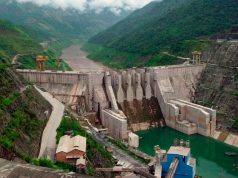
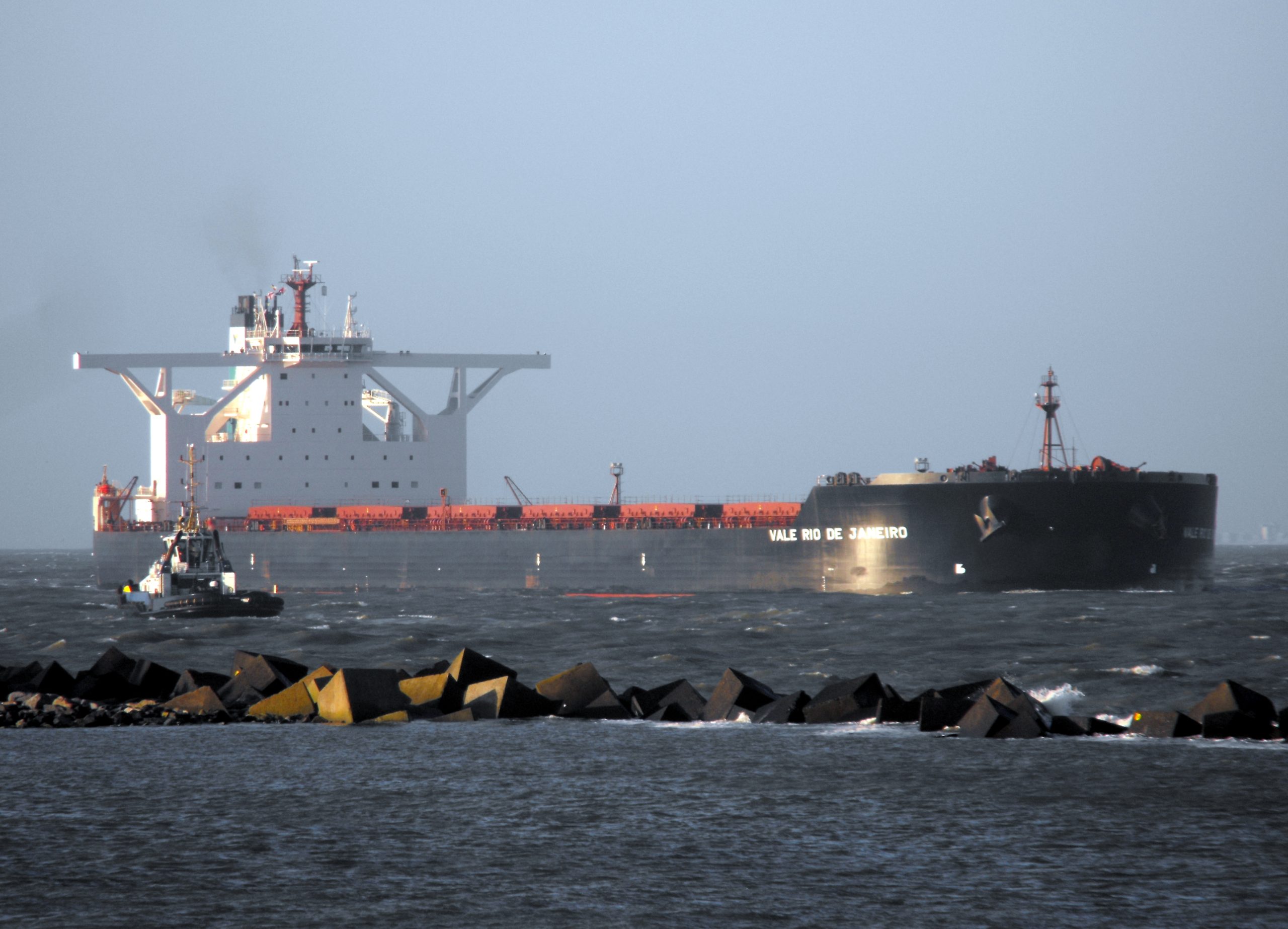
The company’s history and development are marked by its diverse portfolio of products and services. Beyond its mining operations, Vale has also been involved in the generation of hydroelectricity, operating nine hydroelectricity plants as of 2014. This investment in renewable energy highlights the company’s efforts to diversify its operations and contribute to the global shift towards more sustainable energy sources. Additionally, Vale manages a large network of railroads, ships, and ports, which are crucial for the transportation of its products both domestically and internationally.
Vale’s operations are not without challenges and controversies. The company has faced significant environmental and safety concerns, particularly in relation to its tailings dam operations in Brazil. Two major incidents, the Mariana dam failure in 2015 and the Brumadinho dam disaster in 2019, have had profound impacts on the company and the communities affected. The Brumadinho disaster, in particular, led to severe consequences for Vale, including the loss of its license to operate eight tailings dams in Minas Gerais. This regulatory action reflects the heightened scrutiny and oversight that mining companies face in regards to environmental safety and responsibility.
The aftermath of the Brumadinho disaster also had financial implications for Vale, with its stock price dropping nearly 25 percent. This market response indicates the significant economic stakes involved in the mining industry and the potential financial consequences of environmental disasters. The incident has likely prompted a reevaluation of Vale’s operational practices and safety protocols, as well as broader discussions within the industry about risk management and sustainability.
As a major logistics operator in Brazil, Vale’s activities have a substantial impact on the country’s economy and infrastructure. The company’s network of railroads, ships, and ports plays a critical role in the transportation of goods, not only for Vale’s own products but also for other industries. This integration into Brazil’s economic fabric underscores the importance of responsible and sustainable practices in the mining sector, given its potential effects on both local communities and the national economy.
Looking forward, it will be essential to monitor Vale’s efforts to address the challenges posed by its past incidents and to implement more robust safety and environmental measures. The company’s future operations, including any plans for expansion or diversification, will likely be subject to increased scrutiny from regulatory bodies, investors, and the public. As the global demand for metals and minerals continues to evolve, companies like Vale will need to balance their operational needs with the imperative of environmental sustainability and social responsibility. The path ahead for Vale will be closely watched, both within the industry and by external stakeholders, as it navigates the complexities of its role as a leading mining corporation.