
Dubai’s Roads and Transport Authority (RTA) has signed two memoranda of understanding in China, one with Huawei Technologies and one with the rail signalling specialist CASCO SIGNAL LTD. Mattar Al Tayer, the RTA’s Director-General and Chairman of the Board of Executive Directors, led the delegation that made the trip.
The CASCO SIGNAL agreement has the clearest physical result. CASCO will set up a research and development centre and an innovation laboratory in Dubai, built to support the Dubai Metro Blue Line and later metro extensions. Signalling, communications and operational systems would be tried out there under simulated real-world conditions, then rolled out across the network. The lab will also study AI-powered scheduling, predictive maintenance, smart operations and asset management.
The RTA hopes the hub will build up local technical skills, pass knowledge to Dubai staff and make the emirate a regional centre for railway innovation.
What Huawei is to do
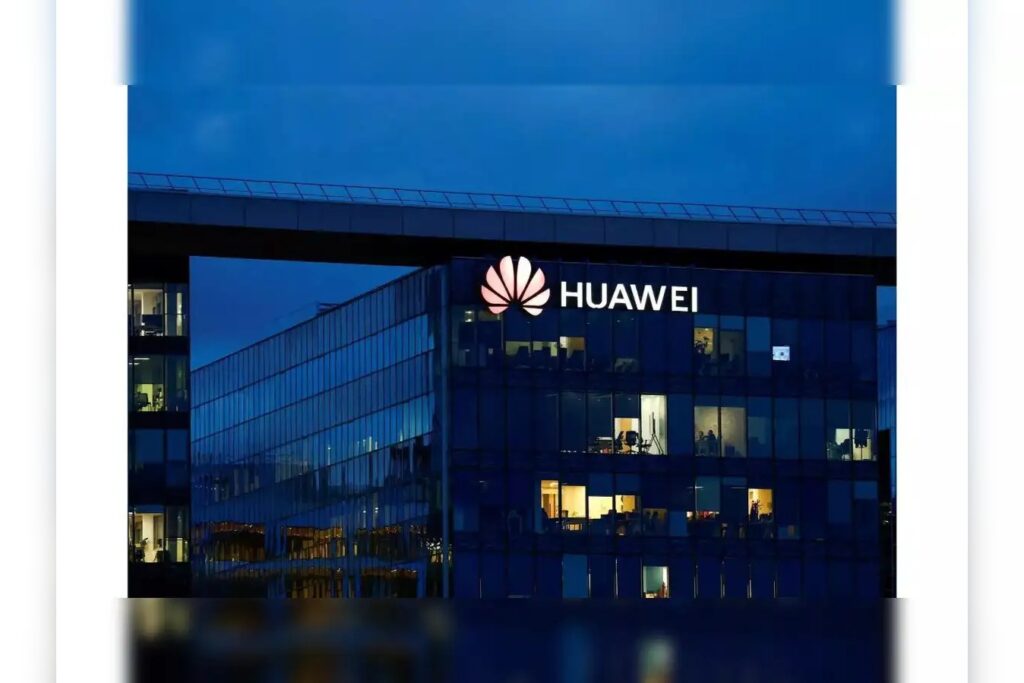
The Huawei memorandum is aimed at putting AI across Dubai’s transport system. It reaches past telecommunications into smart city applications, information security, intelligent transport systems, digital infrastructure and future mobility.
Priorities include unified data platforms linking several transport systems, AI incident detection to speed up emergency response, better traffic management and upgraded control centres. The two sides will also look at AI monitoring for metro operations, station management and passenger services. Joint workshops, pilot projects and technical testing are part of the deal, so new tools can be assessed before they reach the wider network.
A tour of Chinese transport
Besides the signings, the delegation met government agencies and technology companies to see how Chinese cities use AI, automation and digital platforms for transport systems carrying millions of passengers daily.
In Shanghai, officials visited the Municipal Transportation Commission’s command and control centre. AI and digital platforms there coordinate roads, metro, buses, taxis, airports and freight for a city of more than 24 million residents. The group also looked at China’s “15-minute city” planning concept, which keeps essential services within easy reach so residents rely less on private cars. They rode the Shanghai Maglev, one of the fastest commercial train services in the world, and inspected bridge, tunnel and multimodal hub projects.
RTA said it also wants more leading Chinese companies to take part in transport and infrastructure projects planned for Dubai.
Al Tayer called China a global benchmark in rail infrastructure, artificial intelligence and digital technologies. “The two MoUs underline RTA’s direction towards expanding the use of emerging technologies and artificial intelligence across various areas of work,” he said. He added that the cooperation marks a shift from simply expanding networks to building metro systems that are more intelligent and connected, able to use AI to predict demand and optimise operations.




