
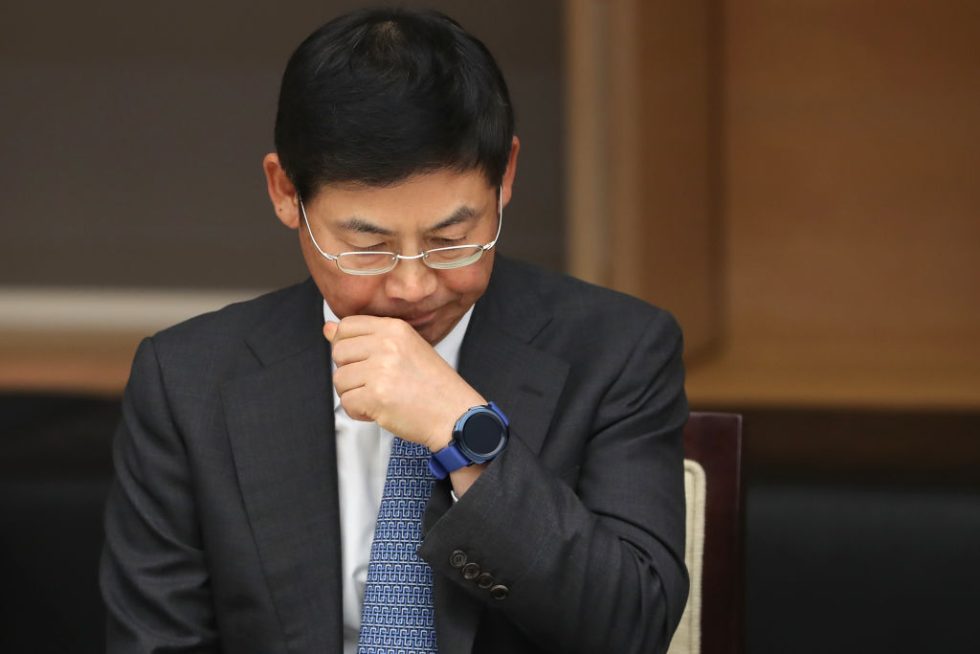
Seoul Central District Court handed down an 18-month prison sentence to Samsung Chairman Lee Sang-hoon on December 17, 2019. The ruling stemmed from accusations that Lee orchestrated a systematic effort to disrupt union activities at the company. More than 20 additional Samsung affiliates were also found guilty in connection with the case.
Court documents revealed that Lee and his co-defendants engaged in a coordinated campaign to weaken labor unions across Samsung subsidiaries. Prosecutors presented evidence showing the group tracked personal and vital information of union members.
The defendants used this data to pressure workers into leaving their unions. The ultimate goal involved closing subcontracting firms that maintained active labor organizations. The court determined that the defendants delayed negotiations between labor groups and management. They also conducted what judges described as “devious business dealings” designed to reduce union influence.
These actions violated South Korean labor laws protecting workers’ right to organize.
Legal Troubles Mount for Samsung Leadership
This conviction adds to a series of legal challenges facing Samsung executives. Just one week before Lee’s sentencing, the same court sentenced Samsung Electronics Vice-President Kang Kyung-hoon to 16 months in prison for attempting to dismantle a labor union.
Samsung heir Lee Jae-yong currently faces a retrial over a bribery case. He was initially convicted in 2017 for bribing former President Park Geun-hye to secure government support for a merger that strengthened his control over the company. Lee Jae-yong received parole in 2018, but South Korea’s Supreme Court ordered a retrial in 2019. The union sabotage case remains separate from the bribery scandal, yet both reflect increased legal scrutiny of Samsung’s corporate governance.
The company has faced longstanding criticism for its anti-union stance. Samsung Electronics, the flagship subsidiary, only formally recognized a labor union in 2019 after decades of resistance.
Broader Implications for Labor Relations
Labor activism has been growing across South Korea, with workers at major conglomerates becoming more vocal about their rights. The court’s decision may encourage other employees to organize. Labor law professor Kim Tae-hyun of Seoul National University noted that the verdict demonstrates that even the largest corporations cannot operate above the law, setting a precedent for future union-busting cases.
Tactics used by Samsung included monitoring employee communications and applying management pressure to force workers to quit their unions. The company also delayed collective bargaining sessions, according to court testimony.
What Comes Next
Lee Sang-hoon is expected to appeal the sentence. If the conviction stands, he will serve his term in a South Korean prison.
Other convicted affiliates face similar penalties. The case may trigger further investigations into Samsung’s labor practices. The ruling does not directly affect Samsung’s daily operations. The company continues manufacturing smartphones, semiconductors, and other electronics.
However, the legal battles have damaged its reputation. The tension between South Korea’s powerful family-run conglomerates, known as chaebols, and the labor movement remains evident.
Recent rulings suggest the judiciary is willing to hold executives accountable for illegal anti-union activities.




