
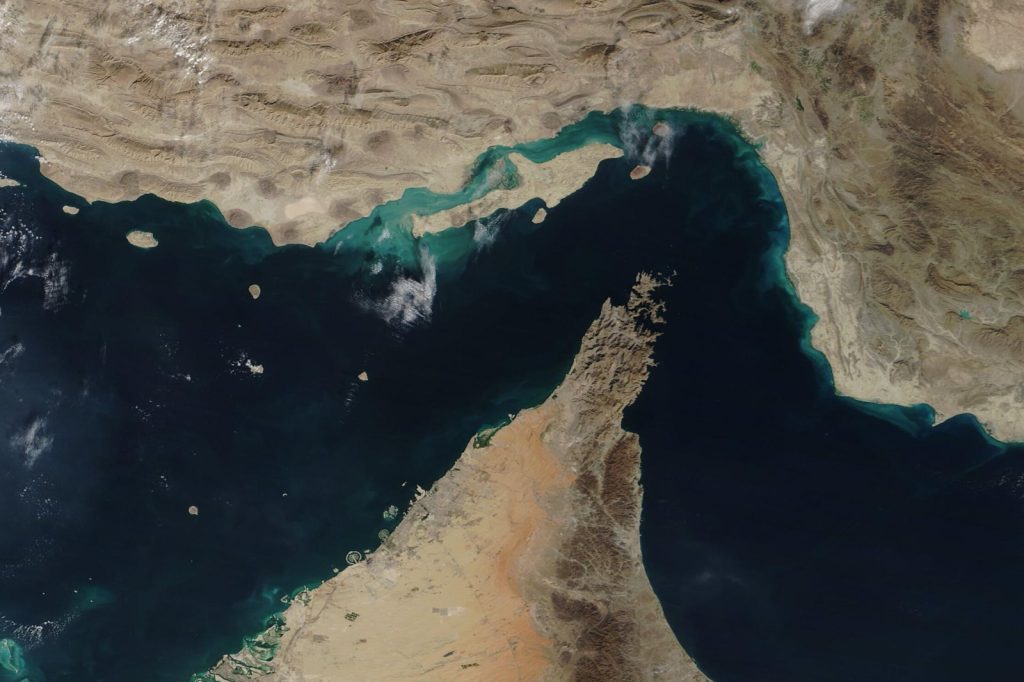
LONDON, July 15 — The global shipping industry’s successful campaign to kill a proposed Strait of Hormuz cargo fee last year has reshaped the strategic calculus for maritime trade in one of the world’s most critical chokepoints. The fee, which was first reported in December 2024, faced immediate and coordinated opposition from the International Chamber of Shipping (ICS) and the Baltic and International Maritime Council (BIMCO), two of the most powerful trade groups in the sector. The ICS, founded in 1921, represents over 80 percent of the world’s merchant fleet.
BIMCO, established in 1905, is the largest international shipping association, with members in more than 130 countries. Together, these organizations issued statements warning that the proposed fee would increase shipping costs by up to $10,000 per vessel per transit, according to industry estimates.
The fee was designed to apply to all cargo ships, including container vessels and bulk carriers, not just oil tankers — a broad application that raised the broader stakes for global supply chains. The shipping industry’s legal argument centered on the United Nations Convention on the Law of the Sea (UNCLOS), which guarantees freedom of navigation. Industry groups argued the fee would violate international maritime law.
The United States has not ratified UNCLOS but recognizes it as customary law, a distinction that did not blunt the industry’s lobbying campaign. The World Shipping Council, which represents major container lines, also opposed the fee.
Lobbying campaign and reversal
Industry groups lobbied the White House, Congress, and the Department of Defense, citing potential harm to global trade. The reversal came on January 13, 2025, and was widely seen as a victory for the shipping industry. No official cost estimate of the fee was ever released by the administration, leaving the industry’s $10,000-per-transit figure as the dominant metric in the public debate.
What this signals is a rare instance of the maritime industry successfully pushing back against a proposed levy on a strategic waterway. The Strait of Hormuz is a narrow passage through which a significant portion of the world’s seaborne oil and liquefied natural gas transits, and any fee structure there carries geopolitical implications far beyond shipping costs.
The broader stakes for the industry remain high. The ICS and BIMCO have demonstrated that coordinated opposition can halt a policy that they view as a violation of freedom of navigation. The question now is whether this sets a precedent for other chokepoints or whether the administration will revisit the idea in another form.
For now, the shipping industry’s calculus is clear: the fee is dead, but the strategic contest over the Strait of Hormuz is far from settled.
Sources
{“@context”: “https://schema.org”, “@type”: “NewsArticle”, “headline”: “Shipping Groups Oppose Proposed U.S. Hormuz Strait Fee”, “description”: “LONDON, July 15 — The global shipping industry’s successful campaign to kill a proposed Strait of Hormuz cargo fee last year has reshaped the strategic…”, “datePublished”: “2026-07-15T09:30:00+00:00”, “author”: {“@type”: “Person”, “name”: “Noah King”}, “publisher”: {“@type”: “Organization”, “name”: “InfoPulse Today”, “url”: “https://newsfeed.infopulsetoday.com/”}, “citation”: [{“@type”: “CreativeWork”, “url”: “https://en.wikipedia.org/wiki/International_Chamber_of_Shipping”}]}




