A massive reduction in air capacity marks a turning point for global aviation
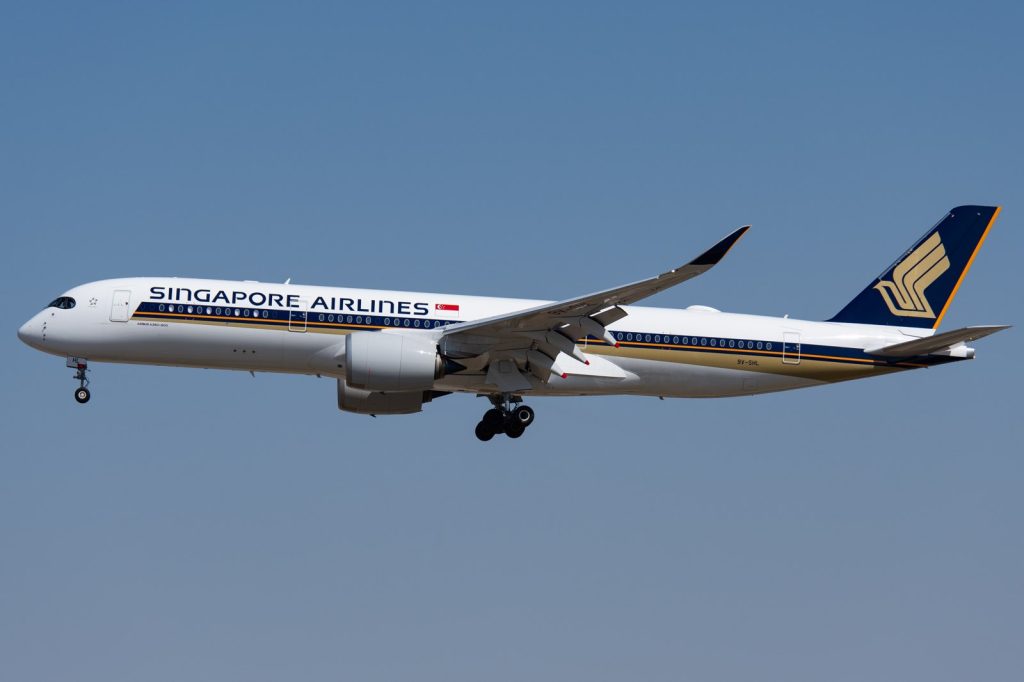
Singapore Airlines announced on March 24, 2020, that it would ground 185 of its 196 aircraft due to intensified border controls worldwide aimed at containing the spread of the coronavirus pandemic. The move represents a drastic contraction of operations as the industry faces unprecedented demand collapse. The flag carrier stated that this global measure prompted a slash in capacity by 96 percent for flights scheduled through the end of April.
This decision reflects the severe economic impact of the health crisis on international travel networks and signals a potential long-term disruption to the airline sector. The immediate financial consequence of grounding nearly two hundred aircraft is a significant drop in passenger revenues.
Singapore Airlines issued a statement explaining that the resultant collapse in demand for air travel has led to this sharp decline. With 96 percent of capacity removed, the airline must navigate a period where fixed costs remain high while income streams dry up. The company noted that it is unclear when normal services can resume because the timeline for lifting stringent border controls remains uncertain.
This uncertainty creates a volatile environment for financial planning and operational strategy within the group. The grounded fleet includes some of the most iconic aircraft in commercial aviation, specifically Airbus A380s and Boeing 787 Dreamliners.
These wide-body jets are essential for long-haul international routes that have been severely impacted by travel bans. The decision to ground these specific models highlights the vulnerability of large-capacity planes when passenger numbers plummet. Additionally, Scoot, the low-cost unit under the SIA Group umbrella, will also ground 49 planes and suspend most of its networks.
This broad-based reduction affects both premium full-service operations and budget carriers, indicating that the downturn is not limited to a single segment of the market but impacts the entire aviation ecosystem in Singapore and beyond. To meet immediate cash flow requirements, the SIA Group has taken aggressive measures to preserve liquidity. The airline is now in close coordination with aircraft manufacturers to defer deliveries and payments.
This strategic pivot allows the company to avoid unnecessary capital expenditure during a period of zero revenue generation. By pushing back on new orders and delaying maintenance schedules where possible, the group aims to stretch its financial resources as far as possible.
These actions are part of a wider trend among airlines globally that are resorting to capacity cuts due to the worsening impact of the pandemic. The industry has now seen more than 330,000 people infected with the virus, leading to widespread travel restrictions that force carriers to make difficult choices about their future operations. In an effort to reduce costs and demonstrate solidarity, the company cut the salaries of its managers and board of directors.
Furthermore, a voluntary no-pay leave scheme was implemented for employees across the organization. These internal measures reflect the severity of the situation and the willingness of leadership to share the burden with staff.
The SIA Group considers the coronavirus crisis as the greatest challenge it has ever faced in its existence. This assessment show the magnitude of the disruption compared to previous economic downturns or geopolitical conflicts. According to the International Air Transport Association, the travel industry will need government assistance and bailout measures of around 200 billion dollars to recover from this shock.
Without such external support, many carriers risk insolvency as they attempt to survive months of suspended operations. The situation remains fluid as governments worldwide struggle to balance public health safety with economic stability. Airlines like Singapore Airlines are forced to act quickly to adapt their business models to a reality where international borders are closed and air travel is deemed non-essential.
The grounding of hundreds of planes is a stark indicator of the scale of the crisis. As the world grapples with the virus, the aviation industry stands on the precipice of a major transformation that will reshape how people fly and how airlines operate for years to come.