Singapore , Oct 31, 2024
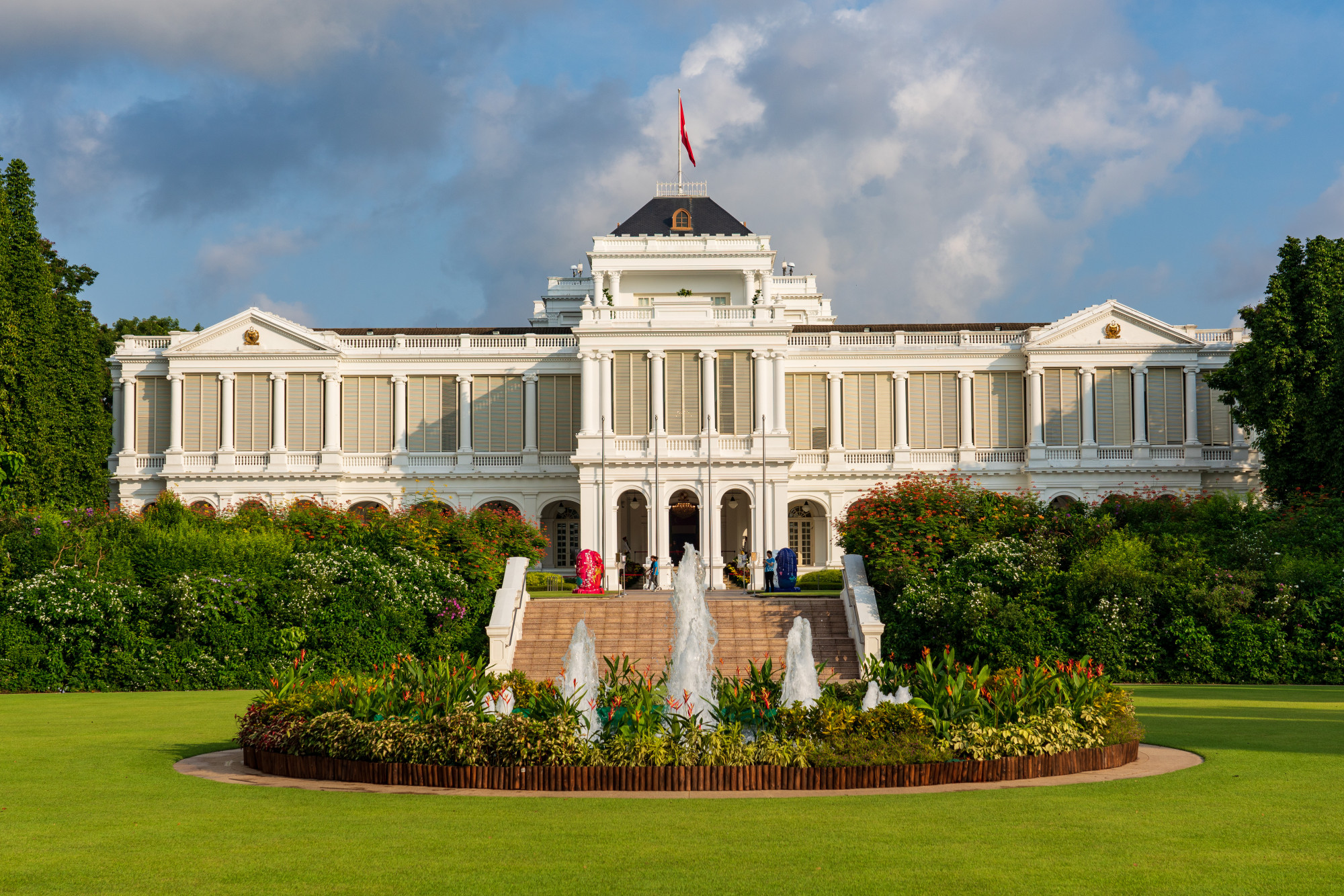
Singapore’s recent presidential election has reignited debate over the role’s significance. Traditionally viewed as largely ceremonial, the presidency has increasingly been seen as a key player in fiscal oversight and safeguarding public trust. The elected president holds veto powers over the nation’s reserves and appointments in the public service, granting substantial influence behind the scenes.
Critics argue that the position remains largely symbolic, constrained by the ruling People’s Action Party’s dominance. However, proponents highlight recent presidents’ active engagement in transparency and governance issues, which suggest a gradual shift toward greater political influence.
As Singapore navigates challenges such as economic shifts and regional geopolitical tensions, the president’s role in maintaining stability and fiscal prudence may grow. The ongoing discussion reflects broader questions about checks and balances in the city-state’s unique political system.
The role of the president in Singapore’s political landscape is shaped by the country’s history and constitutional framework. Established as a sovereign nation, Singapore has evolved a distinct system of government that balances authority with accountability. The presidency, as an institution, is part of this delicate balance, designed to ensure that power is exercised responsibly and in the public interest.
Understanding the president’s role requires considering the interplay between the executive, legislative, and other branches of government, as well as the checks and balances that underpin the system. Singapore’s political context is also characterized by a strong emphasis on stability and economic growth.
The city-state’s success in achieving rapid development and maintaining social cohesion has been attributed, in part, to its effective governance and prudent management of resources. In this environment, the president’s responsibilities, including the oversight of national reserves and key public appointments, take on particular significance. The ability to veto certain decisions, for instance, serves as a safeguard against potential abuses of power or financially imprudent policies, thereby protecting the long-term interests of the nation.
The debate over the president’s role reflects broader discussions about the nature of governance and representation in Singapore. As the country continues to evolve and face new challenges, there is an ongoing need to assess and potentially adapt its institutions to ensure they remain effective and responsive to the needs of citizens.
This includes examining the balance between different branches of government and the mechanisms in place for holding power accountable. The presidency, as a focal point of these discussions, highlights the complexities of balancing ceremonial duties with substantive influence and the importance of clear, transparent governance in a modern, democratic society. Against the backdrop of regional and global uncertainties, the president’s role in maintaining Singapore’s stability and fiscal discipline may indeed become more critical.
Economic shifts and geopolitical tensions can have profound impacts on small, open economies like Singapore’s, making prudent leadership and strategic decision-making essential. As the city-state navigates these challenges, the presidency will be watched closely, both domestically and internationally, as a key component of Singapore’s governance framework and a symbol of its commitment to responsible and effective leadership.