Thailand , Mar 10, 2025
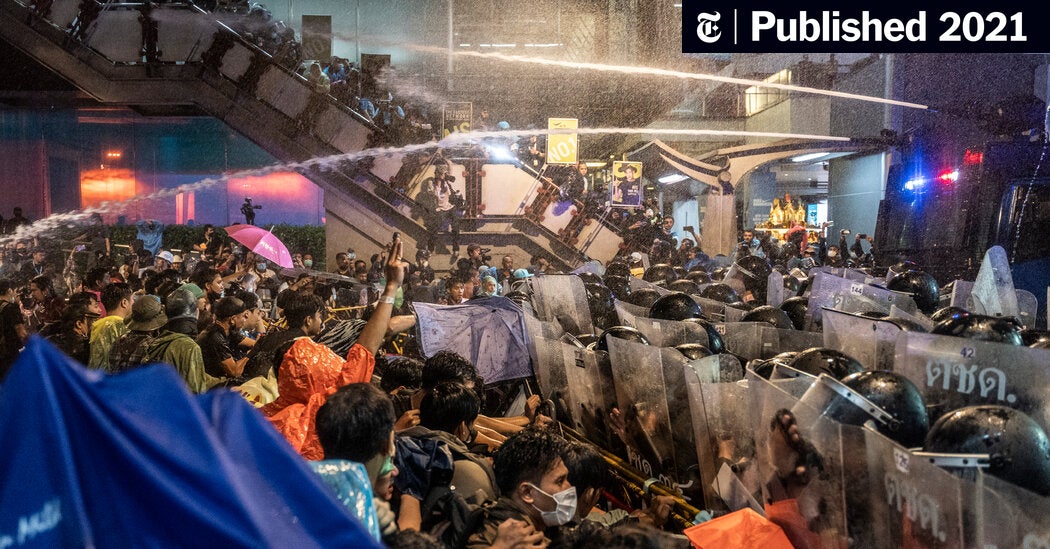
Thailand is at a political crossroads as youth-led movements intensify pressure on the newly formed parliament to rewrite the constitution. These activists demand sweeping reforms that include curbing the monarchy’s influence and reducing the military’s entrenched role in politics. The youth’s push represents a significant shift in Thailand’s political culture, fueled by widespread frustration with authoritarianism and a desire for more democratic governance.
However, resistance remains strong from military-aligned elites who continue to wield considerable power behind the scenes. The constitutional rewrite debate exposes deep societal divides, with some advocating gradual change while others call for radical reforms.
How Thailand navigates this conflict will shape its democratic future. The youth movement’s momentum signals a generational demand for accountability and transparency, but institutional inertia could stall reforms, risking further unrest.

Thailand’s political landscape has been marked by periods of turmoil and transformation, with the country experiencing multiple coups and constitutional changes over the years. This history of instability has contributed to the ongoing debate about the role of the military and the monarchy in Thai politics, with many arguing that these institutions have hindered the development of a more robust democracy. The current push for constitutional reform is the latest chapter in this ongoing struggle, with youth-led movements seeking to build on the momentum of past protests and advocacy efforts.
The demand for greater democratic governance and accountability in Thailand is part of a broader regional trend, with many countries in Southeast Asia experiencing similar struggles for political reform and human rights. The role of youth movements in driving social and political change has been particularly notable, with young people leveraging social media and other digital platforms to mobilize support and raise awareness about key issues.
As Thailand’s youth movement continues to push for constitutional reform, it is likely to draw inspiration and support from similar movements across the region. The Thai monarchy has long been a revered and powerful institution in the country, with the royal family playing a significant role in shaping the nation’s identity and politics. However, in recent years, there has been growing criticism of the monarchy’s influence and wealth, with some arguing that it has become increasingly out of touch with the needs and aspirations of ordinary Thais.
The demand for curbing the monarchy’s influence is a sensitive and contentious issue, with many Thais remaining deeply respectful of the institution while also acknowledging the need for greater transparency and accountability. The outcome of the constitutional rewrite debate will have significant implications for Thailand’s relationships with other countries, particularly in the areas of trade, security, and human rights.
The international community has been watching the situation in Thailand with interest, with many governments and organizations urging the Thai authorities to respect the rights of protesters and to engage in constructive dialogue about the country’s future. As Thailand navigates this critical juncture, it will need to balance its own domestic priorities with the expectations and concerns of its international partners, all while ensuring that the rights and aspirations of its citizens are respected and protected.