
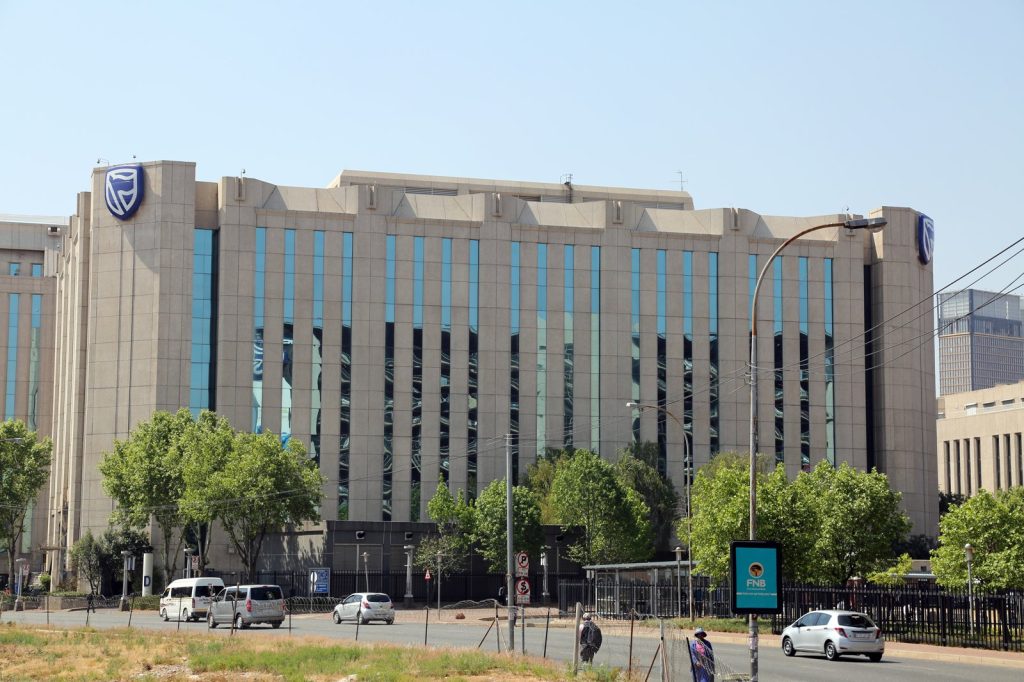
A London high court hearing on November 30, 2015 ended with Standard Bank’s former London unit agreeing to fines and repayments totaling £21.7m ($32.6m) over an alleged bribery scandal in Tanzania, The Guardian reported.
The Serious Fraud Office offered the United Kingdom’s first deferred prosecution agreement in return. The unit, renamed ICBC Standard Bank, faced a Bribery Act 2010 charge alleging a failure to stop bribery.
Lord Justice Leveson had agreed to the arrangement in principle at a private hearing earlier that month. He formally approved it at the high court on Monday.
How the agreement worked
Deferred prosecution agreements had been introduced in February of the previous year. They allowed prosecutors to pause a case for an agreed period and then withdraw it. A company had to pay a fine, surrender related profits and help prosecute any individuals.
For the former Standard Bank operation, prosecution was halted for three years and would be dropped if the conditions were met.
Financial orders accounted for $25.2m. The Tanzanian government was to receive another $7m in compensation.
South Africa’s Standard Bank would ultimately bear the cost even though it no longer controlled the London business. It had sold a 60% stake to China’s ICBC in February that year, and the sale agreement left the South African group responsible for all fines and costs connected to the scandal.
The extra one per cent
The case concerned a $600m Tanzanian sovereign-debt private placement during 2012-13. The money was intended for electricity, water and other infrastructure in the government’s five-year development plan.
Standard Bank’s London office and a sister office in Tanzania initially proposed a 1.4% fee for raising the capital. The transaction stalled. The fee subsequently rose to 2.4%, with the two units agreeing to direct 1% to Enterprise Growth Market Advisors Ltd, a local company.
EGMA’s chairman, Harry Kitilya, was also one of its three shareholders and headed the Tanzania Revenue Authority.
In March 2013, the revised arrangements produced a $6m payment into a new EGMA bank account. The proceeds were never traced.
Standard Bank’s senior management eventually became concerned. An internal investigation followed, and the bank reported the case to the SFO. Tanzanian authorities also investigated, while the US Securities and Exchange Commission examined the scandal.
The account had been almost emptied within 10 days. Four cash withdrawals, each between $1.17m and $1.45m, removed nearly all the money.
Sources
- Standard Bank to pay $32.6m over Tanzania bribery scandal | Tanzania | The Guardian
- First UK Deferred Prosecution Agreement for Bribery – Nine Implications for Global Criminal and Civil Investigations | Latham.London




