
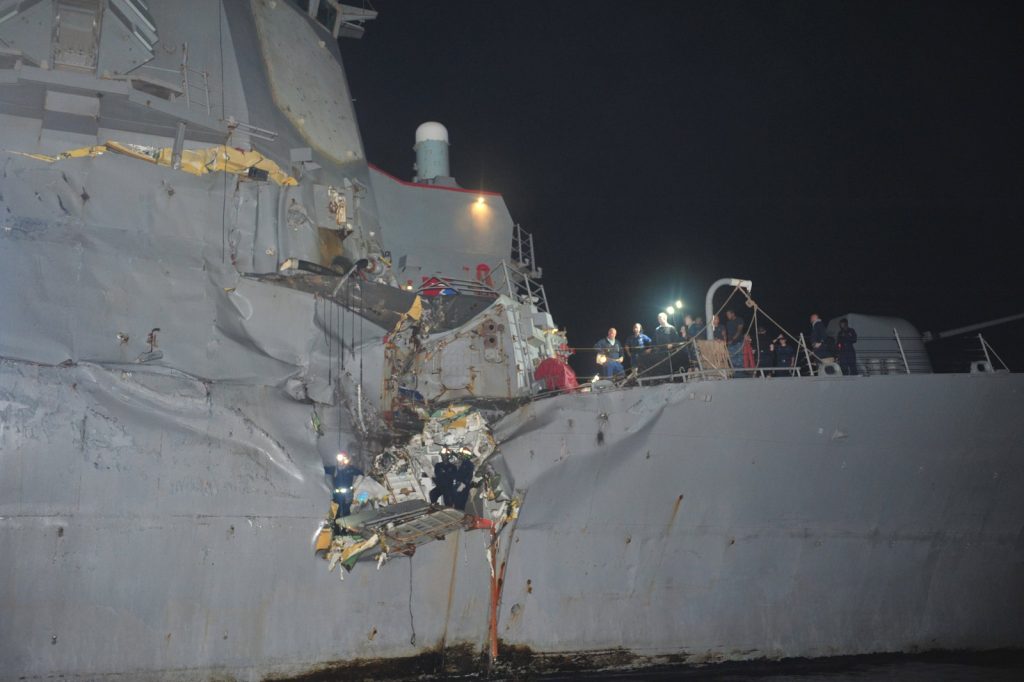
A 29-vessel traffic jam in the Strait of Hormuz this weekend tells the story ordinary people can feel. Ships carrying grain, fuel, and consumer goods slowed to a crawl after a vessel was hit while crossing the waterway. The strait, through which a fifth of the world’s oil and liquefied natural gas once flowed, is no longer a reliable passage.
It is a chokepoint under fire. The first meeting of a joint committee to implement the so-called Hormuz memorandum took place this week in Muscat, according to Iran’s deputy foreign minister, Kazem Gharibabadi.
He posted on X that the meeting was held during a trip to the Omani capital. What the committee actually does is unclear. No details on its scope or authority have been released.
The statement marks the first confirmed talks between Iran and Oman since the deal was struck, but a deal on paper and a deal that works are two different things. Over the weekend, US Central Command said it attacked 10 Iranian military targets.
The reason given: “continued Iranian aggression against commercial shipping.” Iran said it retaliated with strikes against US bases in Kuwait and Bahrain. So the talks happen in one city while bombs fall in others. That is the reality for the people who live along this waterway — Omani fishermen, Iranian dockworkers, the crews of those 29 commodity vessels sitting idle.
The Hormuz memorandum is supposed to address Iran’s exercise of control over the strait. Iran and Oman both border it. Under international law, neither nation can generally block passage or charge tolls, because the strait runs through both Omani and Iranian territorial waters.
But law and fact are not the same thing here. Iran warned Sunday that any attempt by ships to bypass its preferred route would “increase tensions” in the Middle East.
Tehran insists vessels transit a corridor near its own shores. That is not a suggestion. It is a demand backed by naval power.
Implementation of the memorandum is further complicated by sharp disagreements over de-mining. The report does not specify who laid the mines or where exactly they are, but the dispute itself is enough to stall progress.
You cannot clear a waterway if you cannot agree on who clears it or what counts as cleared. Ships will not risk a minefield. Insurance rates spike.
Shipping lines divert. Costs rise for everyone downstream — the grocer in Dubai, the factory owner in India, the family in East Africa waiting on cooking oil. The joint committee met in Muscat.
That is a fact. But the military strikes continued.
That is also a fact. The two facts sit side by side without reconciling. The people most affected are not in the negotiating room.
They are on the ships, at the ports, in the markets. They watch the price of goods climb and the delivery dates slip.
They hear about a memorandum and a committee, but they see a strait that is no longer safe to cross. Traffic through the strait slowed after the vessel was struck. Twenty-nine commodity vessels were affected, according to the source material.
That is a concrete number. It means 29 captains made a decision to wait or reroute. It means 29 sets of cargo owners burned money on delays.
It means the global supply chain took a small but real hit. And if the fighting escalates, that number will grow.
The committee in Muscat has no obvious answer for that.
{“@context”: “https://schema.org”, “@type”: “NewsArticle”, “headline”: “Strait of Hormuz traffic jam follows vessel strike, disrupting global shipping”, “description”: “A 29-vessel traffic jam in the Strait of Hormuz this weekend tells the story ordinary people can feel. Ships carrying grain, fuel, and consumer goods…”, “datePublished”: “2026-06-29T10:07:00+00:00T09:30:00+00:00”, “author”: {“@type”: “Person”, “name”: “Merry Gel Sigui”}, “publisher”: {“@type”: “Organization”, “name”: “InfoPulse Today”, “url”: “https://newsfeed.infopulsetoday.com/”}}




