
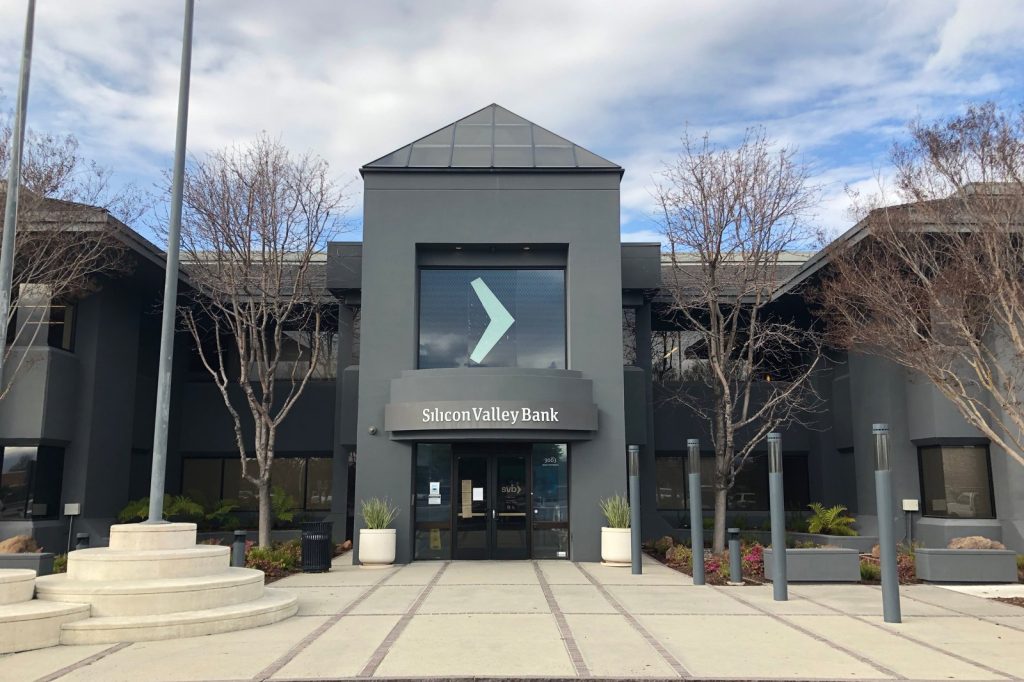
The images did the explaining: a queue of people outside a Silicon Valley Bank branch in Menlo Park, California, filmed on phones the day federal regulators seized the lender, in scenes commentators likened to the bank runs of the 1930s. For the startups and workers tied to the bank, what it means for people was immediate: a bank ranked 16th across the United States, until California regulators closed it on Friday afternoon, was gone.
It was the largest American bank failure since the 2008 financial crisis. The run came from depositors worried about the bank’s health; the value of technology stocks had been sliding and industry layoffs were already squeezing its client base. The shares had dropped 60% on Friday morning, on top of a 60% fall the day before, and the bank had sold $1.75 billion in shares to offset shrinking deposits.
The bank served a concentrated world: technology startups, including companies incubated by Y Combinator, the launcher of Airbnb, DoorDash and DropBox, which regularly sent entrepreneurs its way. Y Combinator’s chief executive, Garry Tan, called the collapse an “extinction-level event” for startup tech. “I literally have been hearing from hundreds of our founders asking for help on how they can get through this. They are asking, ‘Do I have to furlough my workers?’” he told the Associated Press. Behind that question sit payrolls: families across the region, and far beyond it, whose wages run through such accounts.
The mechanics of the rescue followed a set script. California’s Department of Financial Protection and Innovation took control after the bank went insolvent and handed it to the Federal Deposit Insurance Corporation as receiver, which created a Deposit Insurance National Bank of Santa Clara to hold what remains. The FDIC said insured depositors would get their money by Monday, March 13, 2023, up to the $250,000 limit set by statute. The bank ran 17 branches across California and Massachusetts and, as of 2022, held about $209.0 billion in assets and $175.4 billion in deposits. How much sat above the insurance cap was still undetermined at closing; customers with larger balances were told to contact the FDIC directly.
Closer to home, the lesson travels well beyond California. A bank built on one industry, holding deposits it could not quickly turn into cash, met customers who could move money with a tap. The queue outside the branch was old-fashioned; the run itself was not. For communities of founders and their employees, the weekend waiting on that Monday deadline was the whole story.
Sources
- Silicon Valley Bank customers line up outside California location amid frantic rush to withdraw money | Fox Business
- How interest rates helped to trigger the collapse of Silicon Valley Bank—and what central bankers should learn from it – Economic History Society




