
A Policy Hangover, Two Different Stories
The Trump administration’s tax overhaul killed the 30% homeowner solar tax credit, known as Section 25D, at the close of 2025, years earlier than planned. Homeowners rushed to install panels before the deadline, and the predictable aftermath arrived in 2026: demand has dropped sharply for Enphase Energy and SolarEdge Technologies, the two residential solar names analyzed in a MarketBeat report published via TradingView on October 14. Yet the two stocks are not living the same story. Enphase is digesting a textbook pull-forward. SolarEdge is giving back a rally that ran ahead of its fundamentals.
Enphase: The Credit Cliff in the Numbers
The 25D deadline is visible in every Enphase datapoint. Fourth-quarter 2025 sell-through rose 21% quarter over quarter as homeowners raced the deadline, then first-quarter 2026 revenue slid to $282.9 million, off 20.6% year over year, with sell-through down 48% sequentially. The company shed roughly 160 jobs, about 6% of its workforce, blaming the credit’s expiration. Second-quarter revenue nudged up to $291.9 million but stayed about 20% below the prior year. TD Cowen noted spring permit data showed no seasonal pickup and projects 2026 sales falling roughly 19%.
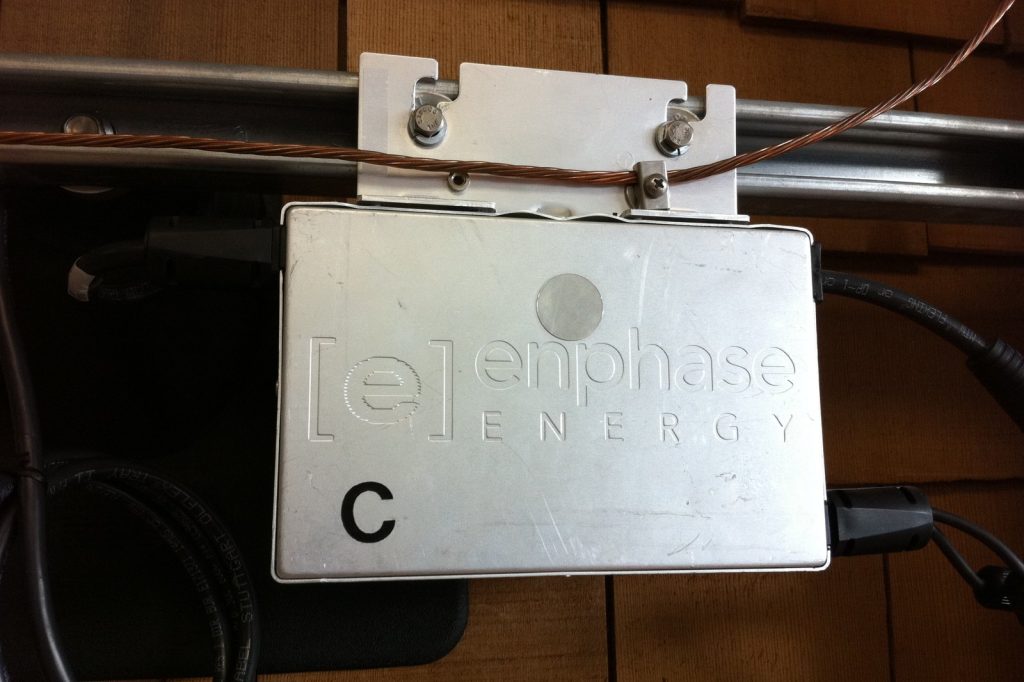
One wrinkle: Enphase guided third-quarter revenue to $290 million to $320 million, but about $75 million of that is safe harbor revenue, sales that let customers lock eligibility for remaining credits, a mini pull-forward of its own. The bottom line still works: non-GAAP gross margin hit 46.8% in the second quarter, and its microinverter production sits in Texas and South Carolina, qualifying for domestic manufacturing credits. Analysts are lukewarm, with an overall Hold rating, three Sells among 23 analysts tracked and a consensus target of $43.84.
SolarEdge: A Round Trip
Management reported no meaningful pull-forward in its second quarter. Instead, the stock rode a policy rumor: late-June chatter about a possible Washington ban on inverters made abroad sent the non-Chinese supplier to a 52-week closing high of $81.25, a pop GLJ Research dismissed as “mostly air”. The second-quarter print looked strong, revenue up 20% to $346.2 million and an operating profit on a non-GAAP basis, its first since mid-2023. But its third-quarter outlook, $310 million to $340 million, badly missed the roughly $371 million analysts expected, and shares dropped about 25% in one session.
The beat was thinner up close: that 28.6% non-GAAP gross margin contained a $13.3 million tariff refund, and on a GAAP basis the company lost 50 cents per share. Deutsche Bank analyst Corinne Blanchard this month issued a short-term “Catalyst Call: Sell” while holding a $34 target, citing elevated rates; her revenue estimates run about 2% below consensus for the fourth quarter and 5% below for 2027. Even so, near $30 after the August selloff, the stock remains up about 7% for the year.
The Squeeze Ahead
On December 4, new levies take hold: a 15% duty and import price floors on polysilicon, cells and modules, with the 38-cent-per-watt module floor about 40% above recent import prices. Neither firm makes panels, but pricier panels raise every rooftop system’s cost, and without the 30% credit, high financing rates do the rest. Until third-quarter reports land, both stocks trade on sentiment more than results.




