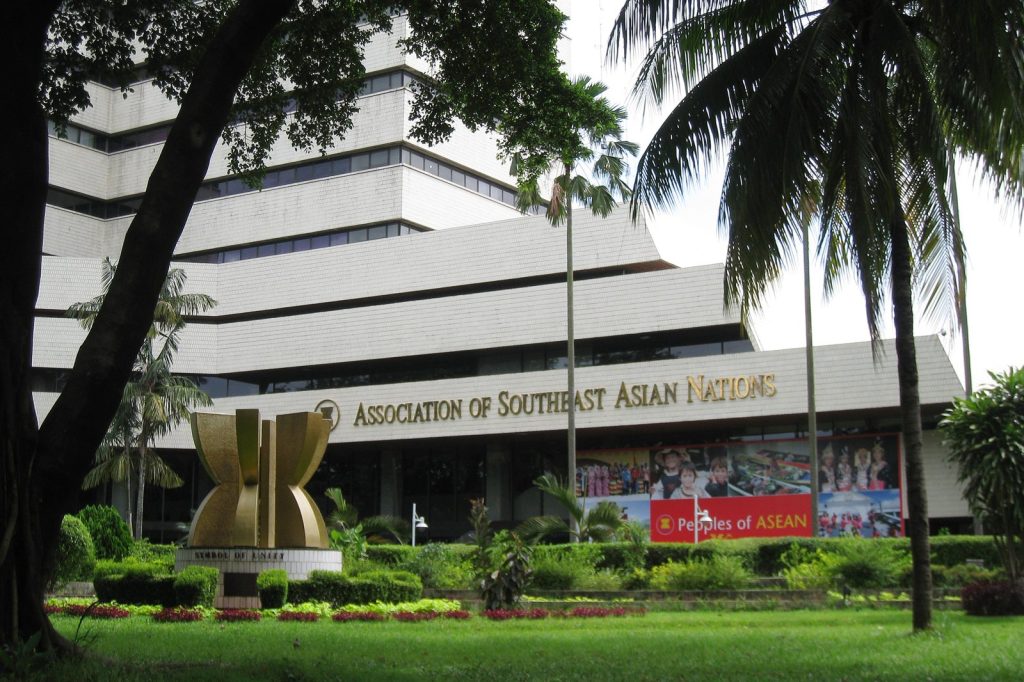
The Association of Southeast Asian Nations formally admitted Timor-Leste as its 11th member on 29 May 2025, following a unanimous decision at the bloc’s annual summit in Kuala Lumpur. The move concludes a 12-year membership campaign by Dili and extends ASEAN’s reach across all of continental Southeast Asia plus maritime archipelagos stretching from the Andaman Sea to the Timor Strait.
Timor-Leste first submitted its application for ASEAN membership in 2013, two years after completing its second peaceful transfer of power since independence. Initial reservations within the secretariat focused on the nation’s oil-dependent economy, limited administrative capacity, and population of roughly 1.3 million. Diplomats indicate that a turning point arrived in 2022, when Dili implemented a customs overhaul, adopted ASEAN tariff nomenclature, and established a 24-hour border post with Indonesia’s East Nusa Tenggara province.
“Timor-Leste satisfied the political, economic-socio-cultural, and legal criteria set out in the ASEAN Charter,” Malaysian Foreign Minister Mohamad Hasan told reporters after the plenary session. “The accession protocol was signed by all ten heads of state or government this morning.” The protocol becomes effective on 11 August, granting East Timor 60 days to incorporate more than 650 regional agreements into domestic law.
ASEAN Secretary-General Kao Kim Hourn stated that the secretariat will deploy a 45-member task force to Dili in June to assist in drafting implementing regulations covering areas from aviation safety to wildlife trafficking.
Economic Implications for the Region’s Poorest State
Membership provides preferential access to a combined market of 685 million consumers and gross domestic product exceeding US $4 trillion. Timor-Leste’s non-oil exports—primarily organic coffee and sandalwood—currently face average tariffs of 8 percent within ASEAN; those duties will drop to zero on 1 January 2026 under the ASEAN Trade in Goods Agreement. Finance Minister Rui Gomes stated that the government plans to use the transition to diversify away from the Bayu-Undan gas field, projected to deplete by 2027.
“We are targeting aquaculture, ecotourism, and light manufacturing,” Gomes told Radio Timor Kmanek. “ASEAN supply chains can absorb modest volumes of high-value seafood and specialty beans if we meet sanitary rules.” Investors have begun testing the market.
Singapore-listed port operator PSA International signed a memorandum in April to study a new container terminal at Tibar Bay, while Vietnam’s VietJet opened discussions on direct flights connecting Dili with Ho Chi Minh City. Combined foreign direct investment in Timor-Leste reached $258 million last year, a record for the country, according to central-bank data.
Security and Diplomatic Balance
Reports note that Timor-Leste’s entry shifts ASEAN’s center of gravity slightly southward, reinforcing the bloc’s claim to fully represent maritime Southeast Asia. The country occupies a strategic position near the Ombai-Wetar strait, a chokepoint used by US and Chinese naval vessels transiting between the Pacific and Indian oceans.
“Dili has historically balanced its security ties, hosting Australian peacekeepers while also welcoming Chinese infrastructure loans,” said Greta Nabbs-Keller, research fellow at the University of Queensland’s Southeast Asia Centre. “ASEAN gives Timor a multilateral umbrella to manage those relationships without exclusive alignment.” The membership also resolves a long-standing irritant in Indonesia-Timor relations. Indonesian President Prabowo Subianto told the summit that “a common ASEAN table removes the last structural legacy of the 1999 separation.” Both neighbors are expected to launch joint patrols against illegal fishing once Timor ratifies the Southeast Asian Fisheries Declaration later this year.
Challenges Ahead
Despite the celebratory mood, officials caution that Timor-Leste must still build institutions capable of honoring ASEAN obligations. The country’s civil service numbers just 34,000 people, and only 12 percent hold university degrees. A recent capacity assessment by the Economic Research Institute for ASEAN and East Asia found that Timor-Leste meets barely 42 percent of required technical standards in areas such as competition policy and consumer protection. “Capacity constraints are real, but they are not unique,” said Secretary-General Kao.
“Laos and Cambodia faced similar gaps when they joined in the late 1990s. Peer learning and targeted funding closed most of those deficits within a decade.” The European Union has pledged €60 million over five years to help Timor-Leste align with ASEAN environmental rules, while Australia will fund scholarships for 250 Timorese officials to study public administration in member states.
Civil-society groups, however, caution that rapid integration could marginalize rural communities if agricultural imports undercut local prices. “Tariff cuts must be sequenced with rural infrastructure so our farmers can compete,” said Maria Fatima da Costa, coordinator of the Timor-Leste Farmers Association. “Otherwise membership will only benefit traders in the capital.” Timor-Leste’s flag will be raised at the ASEAN secretariat in Jakarta on 11 August, marking the formal start of its participation in ministerial meetings and the annual summit cycle.
Back in Dili, government offices have begun printing new letterhead that reads “Ministry of Foreign Affairs and Cooperation, Democratic Republic of Timor-Leste, ASEAN Member State.” Bureaucratic minutiae, perhaps, but for a nation born barely 23 years ago the new heading carries the weight of a region.