
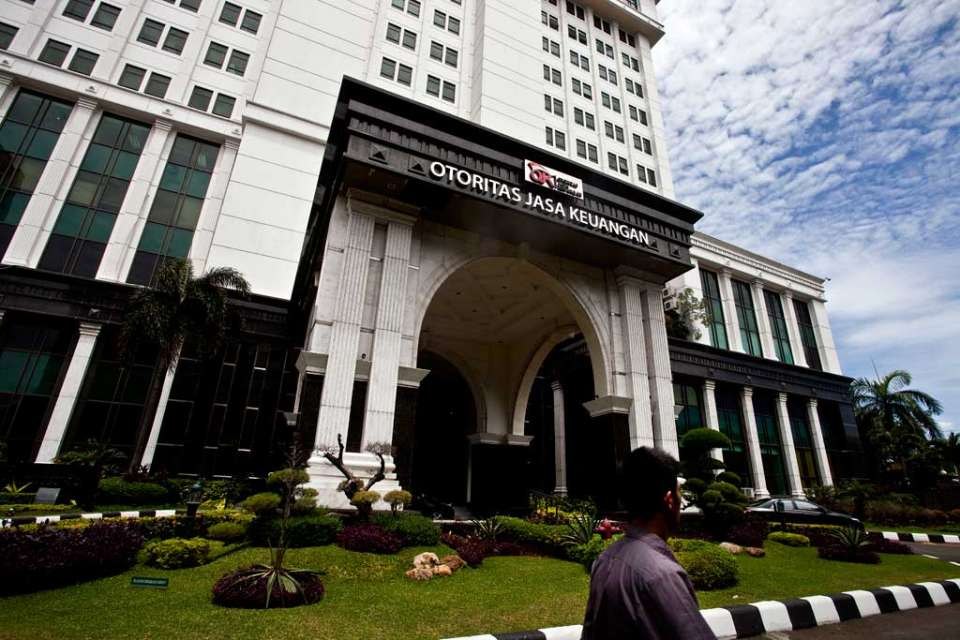
Indonesia’s financial regulator just gave halal fintech startups a testing ground. The sandbox approved March 10 lets companies build shariah-compliant products without a full license. For entrepreneurs, that changes the math.
They can now fail fast, fix bugs, and prove their model without the crushing weight of full regulatory compliance from day one. The OJK, Indonesia’s Financial Services Authority, will watch everything.
Dr. Ir. Wempi Saputra, deputy commissioner at the OJK, called it a safe, regulated environment for testing. That matters in a country where Islamic finance is growing fast but regulatory clarity has been uneven.
Startups trying to build halal payment apps, shariah-compliant lending platforms, or zakat management tools have operated in a gray zone. No longer.
Indonesia is the world’s most populous Muslim-majority nation. That demographic weight is the engine here. Fitch Ratings has already flagged the sector’s growth potential — driven by a huge population and active government support.
The sandbox is the latest signal that Jakarta sees Islamic finance as a growth industry, not a niche. What happens inside the sandbox matters. Companies get a limited period to test products.
If they meet the rules, they can apply for a full license. The OJK provides guidance and oversight throughout.
That structure is designed to filter out bad actors and weak ideas early. For investors, that reduces risk. For consumers, it means products hitting the market will have been stress-tested under official supervision.
The ripple effects go beyond startups. Traditional Islamic banks in Indonesia have long complained about competition from unregulated fintech.
Now they face regulated competition. That could push them to innovate faster. It could also lead to partnerships — banks buying or investing in sandbox graduates.
The OJK’s framework makes that transition smoother because compliance is already baked in. Indonesia has set a goal to become a global hub for Islamic finance. That ambition requires more than a sandbox.
It needs talent, capital, and a legal system that supports shariah contracts. The sandbox addresses one piece: the innovation pipeline.
Without it, good ideas die in the gap between concept and regulatory approval. Other Muslim-majority countries are watching. Malaysia has its own fintech sandbox.
So does the UAE. Indonesia’s version is explicitly Islamic — halal certification and shariah compliance are not afterthoughts but requirements from the start.
That specificity could make it a model for other countries with large Muslim populations but less developed Islamic finance sectors. The sandbox also tests the OJK’s capacity. Regulating fast-moving fintech startups is hard.
Regulating them under Islamic law is harder. The OJK will need to move quickly on applications and provide clear rulings on what qualifies as shariah-compliant. Ambiguity would kill the sandbox’s purpose.
For now, the message is clear. Indonesia wants halal fintech to grow.
It is building the regulatory infrastructure to let that happen. Startups that enter the sandbox will face scrutiny, but they will also get a path to market that did not exist before. The next few months will show whether the industry can deliver on the potential Fitch Ratings sees.




