
Economic Stakes for a Tourism-Dependent Town
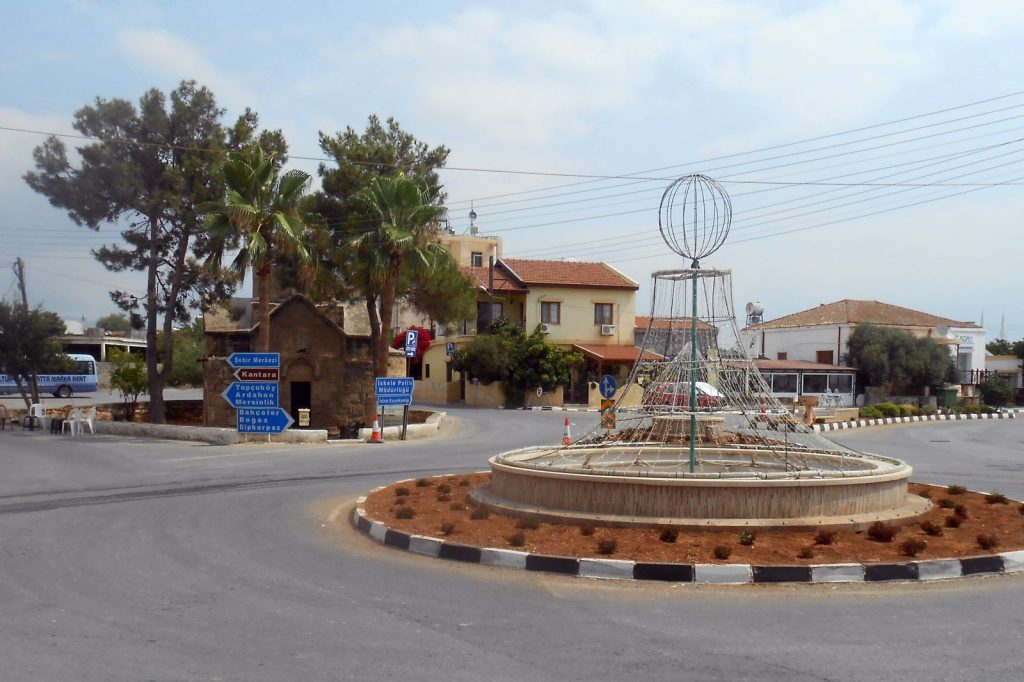
Iskele serves as the administrative center of its district in the North-Eastern Mesaoria region. The town gained municipality status in 1998 and has since developed a hospitality sector that draws visitors for its beaches and accommodations. The summer season is the peak period for tourism, making the timing of the theft particularly unwelcome. Any negative news can spread quickly in an industry built on trust, and a single breach can undo years of careful marketing aimed at positioning local hotels as safe destinations.
For visitors, the news is a reminder to exercise caution with valuables while exploring. The expectation of security is basic, and the theft represents a breach of that promise. Hotels in the area have long worked to cultivate a reputation for safety, but this incident exposes a vulnerability that competitors elsewhere in Cyprus have already addressed with stricter security protocols. Industry observers expect hotel managers in Iskele to respond by investing in enhanced security measures, such as electronic key tracking systems that monitor who enters a guest room, or surveillance cameras to serve as deterrents. These are not inexpensive upgrades, but they may prove essential for restoring confidence.
The local community has direct stakes in the outcome. The tourism sector employs a portion of the town’s workforce. If visitor numbers drop, the effects on local employment and revenue could be significant. A dip in arrivals would affect not only hotels but also restaurants, shops, and service providers that cater to tourists. The theft of $4,900 from a room is a stark reminder that in a tourism-dependent town, trust is a valuable commodity.
Historical Context and the Broader Tourism Landscape
Iskele’s history adds depth to its current reliance on hospitality. Before 1974, the population was almost entirely Greek Cypriot. Following the Turkish invasion of Cyprus that year, those residents were evicted and became refugees in the south. During the same period, Turkish Cypriots from the Skala neighborhood of Larnaca resettled in the town, renaming it Iskele after their former home. The town now hosts the oldest annual festival in Cyprus, which moved from Larnaca in 1974.
Cyprus as a whole has long recognized the importance of tourism. The island has been a member of the World Tourism Organization since 1975. While some areas, such as Varosha, became abandoned after 1974, other regions developed into popular destinations. Widespread use of English, a legacy of British colonialism, has aided this growth by making the island accessible to international visitors. Maintaining a reputation for safety is vital for the local economy because a large share of the workforce depends on the hospitality sector. Security concerns can lead to a drop in arrivals, which directly threatens the revenue that supports the community.
What Comes Next for Iskele’s Hotels
Hotel operators are now under pressure to act quickly. The theft has highlighted a gap in security that competitors in other parts of Cyprus have long addressed. Investing in electronic key tracking systems and surveillance cameras may not be cheap, but such upgrades could prove essential for restoring the trust of potential visitors. The coming weeks will show whether the incident is an isolated case or a sign of a larger problem. For now, the focus remains on ensuring that the next guest who checks into an Iskele hotel does not have to worry about the safety of their belongings. The stakes are clear: a single breach can undo years of careful marketing, and the economic well-being of the town depends on the steady flow of international visitors who choose Iskele for its beaches and accommodations.




