
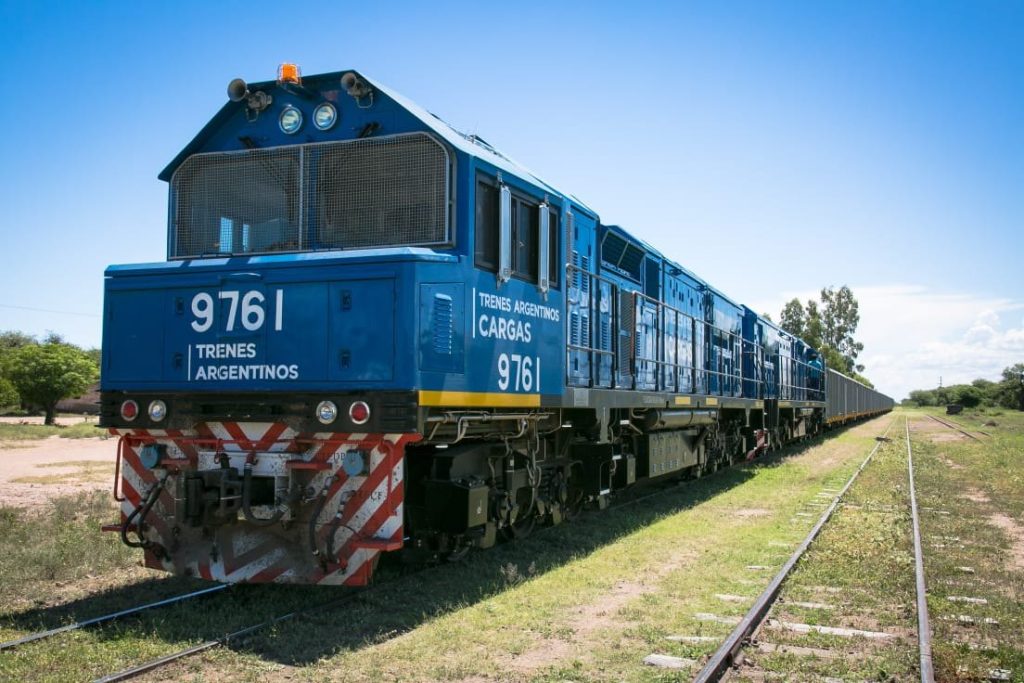
On the night of Friday, May 10, a passenger train struck a locomotive on a mainline track in Buenos Aires, Argentina, resulting in injuries to at least 60 people. The collision took place in the nation’s capital, a city of roughly 3.1 million residents that forms part of a metropolitan area home to about 16.7 million people. Emergency crews arrived quickly, transporting the wounded to nearby hospitals for treatment.
While local media have reported broken bones and cuts among the injured, no deaths have been confirmed at the time of writing. Authorities have not yet disclosed the cause of the crash or the precise condition of those taken to medical facilities.
The passenger train was moving along a primary route when it impacted a locomotive that was either stationary or travelling at a very low speed. Witnesses described a sudden jolt, the screech of metal, and ensuing chaos as passengers rushed to assist the injured. Service on the affected line was suspended following the accident, causing delays and leaving many commuters stranded.
Investigators have begun examining the scene, and the Argentine government has pledged a comprehensive inquiry. Transportation officials say they will review track quality, signaling equipment, and crew procedures.
Buenos Aires, the country’s largest city and seat of the federal government, sits on the southwestern shore of the Río de la Plata. Its rail network is a vital conduit for millions of daily commuters traveling from outlying districts into the historic downtown. Although the city’s railway system has experienced occasional incidents over the years, collisions of this magnitude are uncommon.
The crash arrives amid ongoing discussions about the state of Argentina’s rail infrastructure, which many consider aging. While recent years have seen investments in electrification and new rolling stock, critics argue that maintenance and safety upgrades have lagged behind growing demand.
The incident is expected to intensify calls for increased funding and stricter oversight of the network. Beyond the immediate response, the accident touches on broader energy and transportation debates in Argentina. The country, rich in natural gas, is also expanding renewable capacity—particularly wind and solar—to lessen dependence on imported fuels.
Proponents of electrified rail contend that modern, cleaner power could boost reliability and air quality in the densely populated capital. In the coming days, hospitals will provide updates on the condition of the injured, and rail unions have demanded a thorough safety audit.
The government has promised a transparent review of the event, emphasizing the need to restore confidence in a system that serves millions of riders each day. As Buenos Aires works to recover from the crash, the incident will test the city’s emergency response capabilities and its ability to address longstanding infrastructure challenges. Officials hope that lessons learned will lead to a safer, more dependable railway network for the capital’s commuters.




