
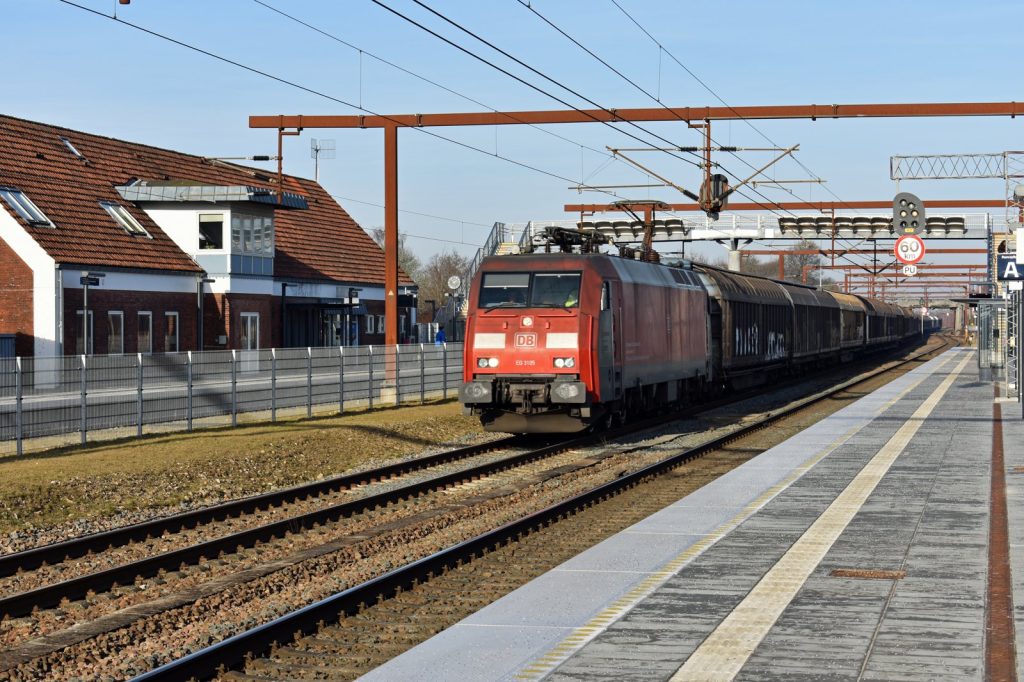
On 15 August 2025 a passenger train travelling between Tinglev and Sønderborg struck a slurry tanker at a level crossing in the Region of Southern Denmark. The impact caused the train to derail, killing one passenger and leaving 27 others with injuries; two of the wounded were air‑lifted to hospitals for advanced treatment. The incident highlights the hazards that persist at level crossings, where rail tracks intersect roads, pathways or even airport runways at the same grade.
Europe hosts more than 100 000 such crossings, while North America has upwards of 200 000. Although they allow convenient traffic flow, these intersections can become dangerous, especially when high‑speed trains are involved.
In many jurisdictions, road‑grade crossings are deemed unsuitable for high‑speed rail precisely because of the elevated accident risk. In the Danish crash, investigators will examine several factors: the design and safety equipment of the crossing, the actions taken by the train driver, and the behavior of the tanker’s operator. Early reports confirm that the tanker was on the roadway when the train arrived, leading to the collision and subsequent derailment.
Authorities have not yet released a definitive cause, but the severity of the outcome—27 injuries, two requiring aerial evacuation—underscores the need for stronger protective measures at such sites. Modern safety solutions include automated warning lights, audible alarms, and physical barriers that lower when a train approaches.
Implementing these technologies more widely could reduce the likelihood of similar tragedies. Beyond immediate technical upgrades, officials stress the importance of public education. Road users who understand the risks associated with level crossings are more likely to obey signals and avoid dangerous manoeuvres.
Likewise, train operators benefit from rigorous training on crossing protocols. The Southern Denmark accident arrives at a time when rail transport remains a cornerstone of European mobility, yet safety concerns continue to draw attention.
As the investigation proceeds, policymakers are expected to review existing crossing standards and consider stricter regulations, particularly where high‑speed services operate. While the focus remains on the victims—families mourning the loss of a loved one and those caring for the injured—the broader conversation also touches on the future of transport infrastructure. Investing in safer crossing designs, coupled with advanced monitoring systems, aligns with wider goals of creating a more resilient and sustainable transportation network.
In parallel, the region, like many others, is pursuing a transition toward renewable energy sources such as wind and solar power. Reducing reliance on fossil fuels not only supports environmental objectives but also enhances energy security, a factor that can indirectly influence transportation safety by funding modernisation projects.
The tragedy in Southern Denmark serves as a sobering reminder of the consequences when road and rail intersect without adequate safeguards. By prioritising upgraded crossing technology, comprehensive driver education, and continued investment in sustainable infrastructure, authorities aim to prevent future incidents and ensure that rail travel remains both efficient and safe.




