
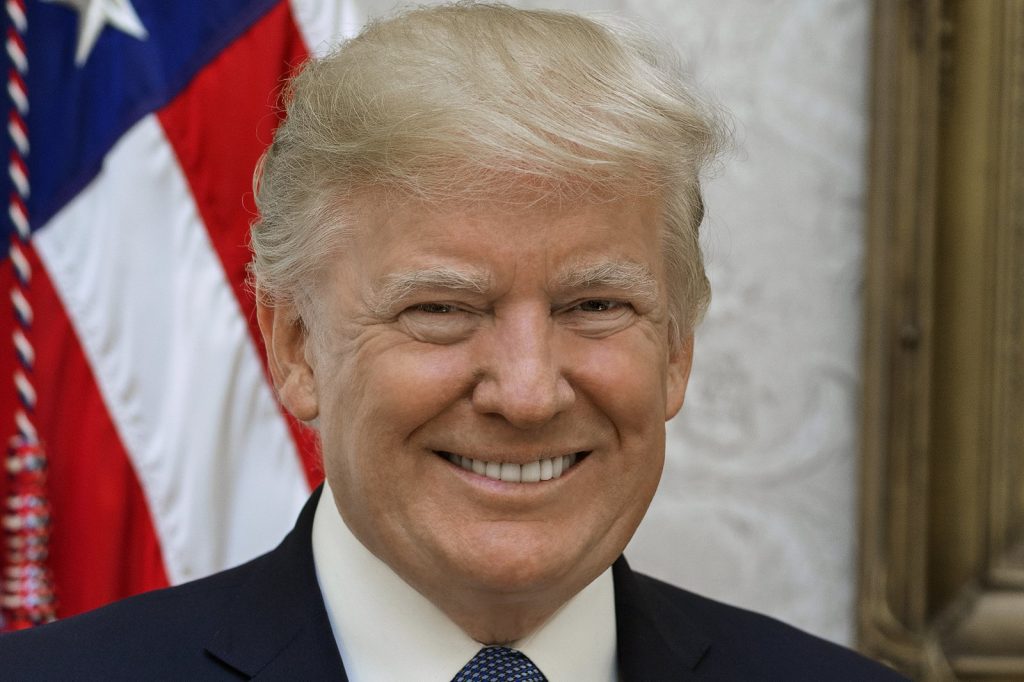
NEW YORK, October 10 — Former U.S. President Donald Trump has claimed that Russia had agreed to supply millions of tons of diesel fuel to the United States, a statement made during a period of heightened global energy market volatility following Russia’s full-scale invasion of Ukraine in February 2022. The assertion emerged amid ongoing Western sanctions on Russian energy exports, which have significantly curtailed Russia’s ability to sell crude oil and refined products to European and North American markets since 2022.
Trump did not specify the exact volume, timeline, or mechanism of the alleged agreement, nor did he identify which Russian entity or U.S. party was involved in the purported deal. The United States imported approximately 1.1 million barrels per day of diesel and other distillate fuels in 2023, totaling roughly 400 million barrels annually, equivalent to about 50 million metric tons.
Russia, prior to the invasion, was a major global diesel exporter, shipping around 1.2 million barrels per day of diesel to international markets in 2021.
Sanctions Impact
Following sanctions and export restrictions, Russian diesel exports to the West declined sharply. European imports of Russian diesel fell by over 80% in 2023 compared to 2021 levels. The U.S. has instead increased domestic diesel production and diversified imports from allies such as Canada, Saudi Arabia, and India to meet demand.
No verifiable contract, shipping record, or customs data has been presented to substantiate the claim of a multi-million-ton diesel supply agreement between Russia and the United States. Trump’s claim has not been corroborated by any official U.S. government agency, including the Department of Energy or the Office of the United States Trade Representative, nor has it been confirmed by Russian officials or state energy companies such as Rosneft or Gazprom Neft.
Skepticism and Analysis
Independent energy analysts have expressed skepticism, noting that logistical, financial, and sanctions-related barriers make large-scale diesel shipments from Russia to the U.S. highly improbable under current conditions. The statement reflects Trump’s broader narrative of advocating for improved U.S.-Russia relations and criticizing previous administration energy policies, though it lacks factual support from verifiable sources in the energy sector or government records. What this signals about the broader stakes of energy diplomacy remains unclear.
The geopolitical chessboard continues to shift as nations navigate complex relationships amid ongoing conflicts and sanctions regimes. Market observers will be watching for any developments that might substantiate or refute Trump’s claims, particularly as energy markets remain volatile and strategically important globally.
Sources
More Business coverage: Nucor Corp Stock Rises 5.44% on Oct 5: Key Drivers Behind the Gain




