
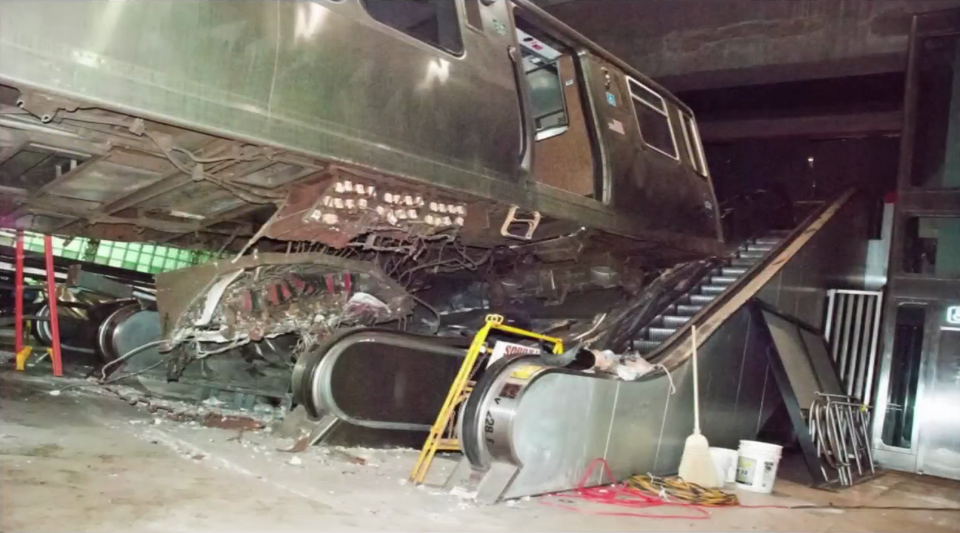
A train crash near the town of M’saken in Tunisia’s Sousse Governorate on June 21, 2023, has resulted in two fatalities and 31 injuries, according to reports from the scene. The incident occurred in a working area where residents typically commute, travel for business, and conduct daily activities, rather than in the tourist zones for which the region is known. The two individuals who died were not mere numbers but people with identities, families, and futures that ended abruptly in the collision.
Among the 31 injured, some are expected to recover fully, while others may face lasting physical or psychological effects. The crash has placed strain on local medical resources as hospitals treat the wounded.
Authorities have launched an investigation into the cause of the derailment. Investigators are expected to examine the track conditions, the train’s equipment, signal systems, and any human decisions made that day. Officials have not yet identified a single cause or a chain of failures, acknowledging that such incidents rarely have a simple explanation.
The crash has shaken the local community around M’saken, where residents are in shock. The event also raises broader concerns about Tunisia’s rail infrastructure, which plays a critical role in moving workers to factories, students to schools, and goods to markets.
A failure in rail safety can undermine confidence in the entire transportation system. The Sousse Governorate is a major tourist destination, known for its beaches, Roman ruins, and hospitality industry. A fatal crash near a tourist hub can send a negative signal about infrastructure reliability, potentially affecting travel bookings and local jobs. Tourism is a significant part of the regional economy.
Immediate needs for the victims and their families include medical care, counseling, and financial assistance. Authorities are expected to provide these resources without delay.
However, the longer-term challenge involves addressing the underlying safety gaps that contributed to the crash. Rail safety requires investment in modern signaling systems, well-maintained tracks, properly trained staff, and regular inspections. It demands a culture where safety is prioritized over other considerations.
Tunisia has made progress in infrastructure development, but such progress often comes in increments punctuated by disasters that reveal weaknesses. This crash represents a gap in safety standards and oversight that cost two lives and injured 31 others.
The investigation will likely identify specific failures, such as a faulty switch, an ignored signal, or track that needed replacement. While these findings will be technical, their meaning is human: a failure to protect people. For the families of the deceased, no investigation can restore what was lost.
For the injured, no report can erase their pain. However, for the broader public, the investigation serves as a mechanism for learning lessons and preventing future crashes.
Tunisia faces a choice between treating this as a tragedy to be mourned and forgotten, or as a warning that safety must be funded, enforced, and prioritized. The cost of prevention remains lower than the cost of a crash.




