
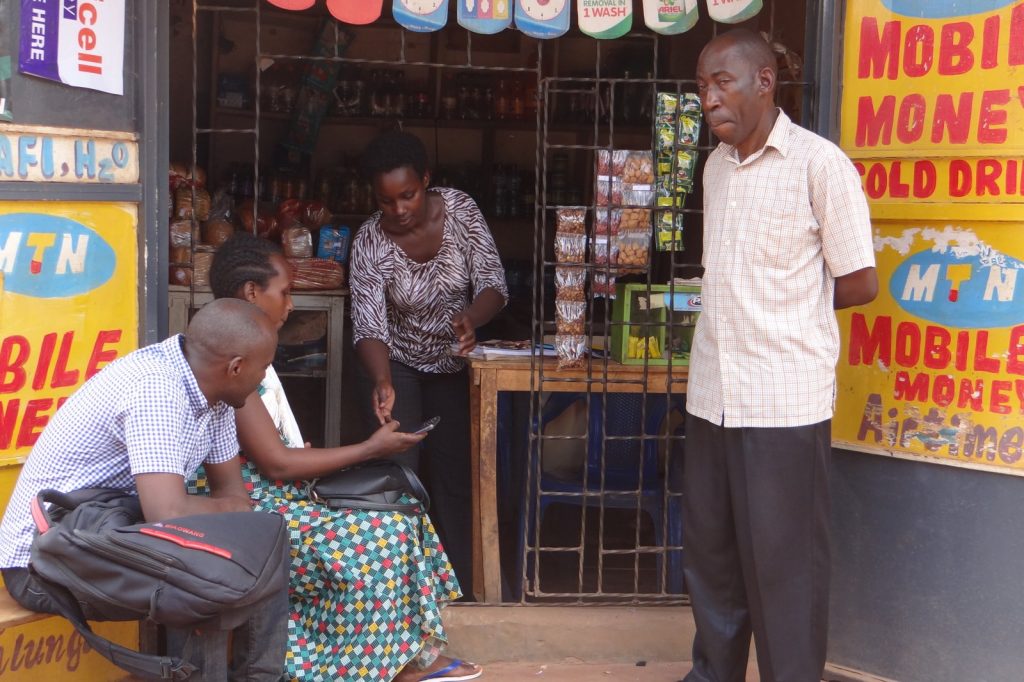
Financial Lifeline Disrupted
Mobile money has expanded rapidly in Uganda over the past decade, driven by low banking penetration and high mobile phone usage. The Bank of Uganda has classified these platforms as essential to the country’s financial infrastructure. For many Ugandans, mobile money is not merely a convenience but the primary means to pay bills, receive salaries, send remittances, and run small businesses. When the service went down during the weekend, the interruption rippled through the economy, halting transactions that rely on the digital system. The outage is not the first such incident to raise questions about system resilience. Previous disruptions, including network failures and power outages, have temporarily cut off access to mobile money. Industry sources have noted that mobile money operators typically face pressure to maintain uptime, given the service’s role in facilitating everything from salary disbursements to emergency remittances. The weekend failure, however, highlighted persistent vulnerabilities in the digital payments ecosystem.
Context: Mobile Money as a Bridge for the Unbanked
Mobile money is a payment system that allows people to send, receive, and store funds using a mobile phone, without needing a traditional bank account. The technology emerged in the early twenty-first century and spread rapidly across developing economies, where large segments of the population had limited access to formal banking. In such settings, mobile money became a practical bridge for the unbanked. Uganda gained independence from British rule in 1962. Decades of political upheaval followed, including military coups and a long guerrilla war that ended in 1986 with Yoweri Museveni’s rise to power. Under Museveni, the country achieved relative stability and economic growth, though concerns over political repression and corruption persisted. This stability helped create conditions for the spread of mobile phone networks and financial technology. By the 2010s, mobile money services had taken root in Uganda, and their widespread adoption meant that any disruption could ripple through daily commerce. The background matters now because the July 2023 outage exposed the system’s central role in the economy, underscoring how heavily Ugandans rely on mobile money for financial inclusion.
Regulatory Challenge and Outlook
For the Bank of Uganda, the outage presents a regulatory challenge: balancing the promotion of financial inclusion through digital channels with the need to ensure those channels remain reliable under stress. The central bank has not announced any formal inquiry into the July disruption as of the time of writing. Looking ahead, industry observers will watch for any regulatory response from Kampala, including potential new service-level requirements or contingency planning mandates for mobile money providers. The incident also raises broader questions about infrastructure resilience in markets where mobile money has become a de facto banking system for the unbanked population. Understanding that reliance helps explain the significance of any future disruptions and the pressure on operators to maintain reliable service. The weekend failure served as a vivid reminder that as mobile money deepens its integration into Uganda’s economy, the stakes for keeping the system online continue to rise.




