
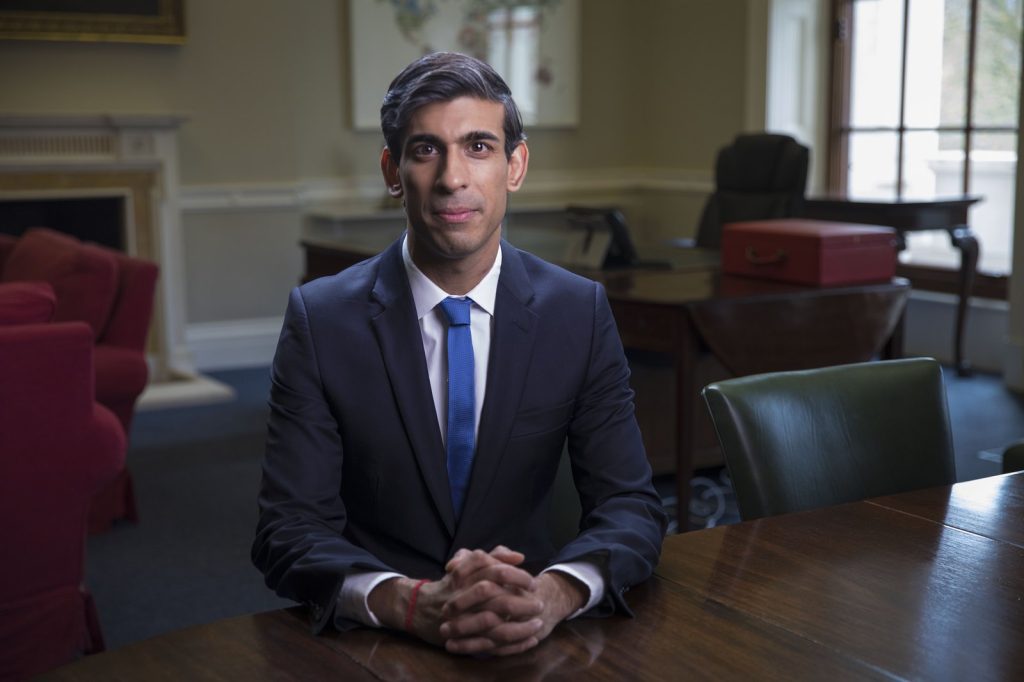
British consumer prices rose 6.2% in the year to February, the fastest pace since March 1992, when the rate was 7.1%. The Office for National Statistics published the figure on Wednesday, March 23, a few hours before Chancellor Rishi Sunak was due to give his spring statement to the Commons.
January’s rate had been 5.5%. Economists polled by Reuters had expected 5.9%, and only three of the 39 who responded saw a number this high. The ONS said prices climbed 0.8% from January, the biggest February monthly rise since 2009.
Fuel, bills and the shops
Household energy bills stood almost 25% above their level a year earlier, and the ONS named them and petrol as the biggest drivers. Electricity was up 19.2% over the year and gas 28.3%. Petrol averaged 147.6p per litre in February against 120.2p a year before, while diesel reached 151.7p, a record.
Food and non-alcoholic drinks rose 5.1%. The ONS also noted that food prices were climbing across the board. In ordinary times some items rise while others fall.
The ONS’s chief economist, Grant Fitzner, said clothing and footwear had returned to the usual February increases, after last year’s falls when many shops were shut. Furniture and flooring went up as prices recovered from the new year sales. Factory-gate prices have also been rising substantially and are at their highest rate for 14 years.
What comes next
Further rises are expected. Russia’s invasion of Ukraine has pushed up motoring costs, and April brings a 54% increase in the energy price cap. Regulated household energy bills are due to jump by more than half. The Bank of England said last week it expected inflation to hit about 8% in April, with a risk of double digits in the autumn if the cap rises sharply again.
Yael Selfin, chief economist at KPMG UK, said the figures added pressure on the Bank to keep raising interest rates. She still thought price growth would peak before long. “Provided inflation expectations can be managed and global commodity prices stabilise by next year, we should see inflation returning to the Bank of England’s 2% target by mid-2024,” she said. “This may require fewer rate rises than markets currently anticipate.”
Dan Boardman-Weston, chief investment officer at BRI Wealth Management, warned that higher rates at a time of heavy household bills and rising taxes could stifle the recovery.
Pressure on Sunak
Business groups and Labour urged the chancellor to act. Options reported included a fuel duty cut, a higher threshold for social security contributions, and welfare payments that keep pace with inflation.
Rachel Reeves, the shadow chancellor, said plans to raise national insurance should be dropped. She proposed cutting energy bills by up to £600 through a one-off windfall tax on oil and gas producers’ profits.
Matt Whittaker, chief executive of Pro Bono Economics, estimated that a typical single parent will pay an extra £315 for food and heating this year compared with 2019. For a family of four the figure is £580. “The everyday impacts of inflation will be felt most sharply by the poorest,” he said.
Britain now has the second-highest annual inflation rate in the G7, behind only the United States.
Sources
- UK inflation hits 6.2%, the highest level in three decades
- UK inflation hits 30-year high of 6.2% as Sunak readies response
- UK inflation hits 6.2% as Sunak delivers Spring Statement




