
Ukraine’s Black Sea shipping corridor now carries around 80% of the country’s grain, oilseed and related exports, according to European Commission figures for July 2026. Ports Europe, which reported the numbers, called it a marked reversal from the near-total closure of sea routes earlier in the war.
In July alone the corridor shipped about 2.4 million tonnes of those products. Only around 20% went out over the EU-Ukraine Solidarity Lanes, the rail, road and river routes set up in May 2022 after Russia blockaded Ukraine’s seaports.
How the corridor began
Kyiv set up the sea route on its own in August 2023, after Russia pulled out of the UN-brokered Black Sea Grain Initiative. Ships hug the coasts of Romania, Bulgaria and Turkey before turning into Ukrainian ports.
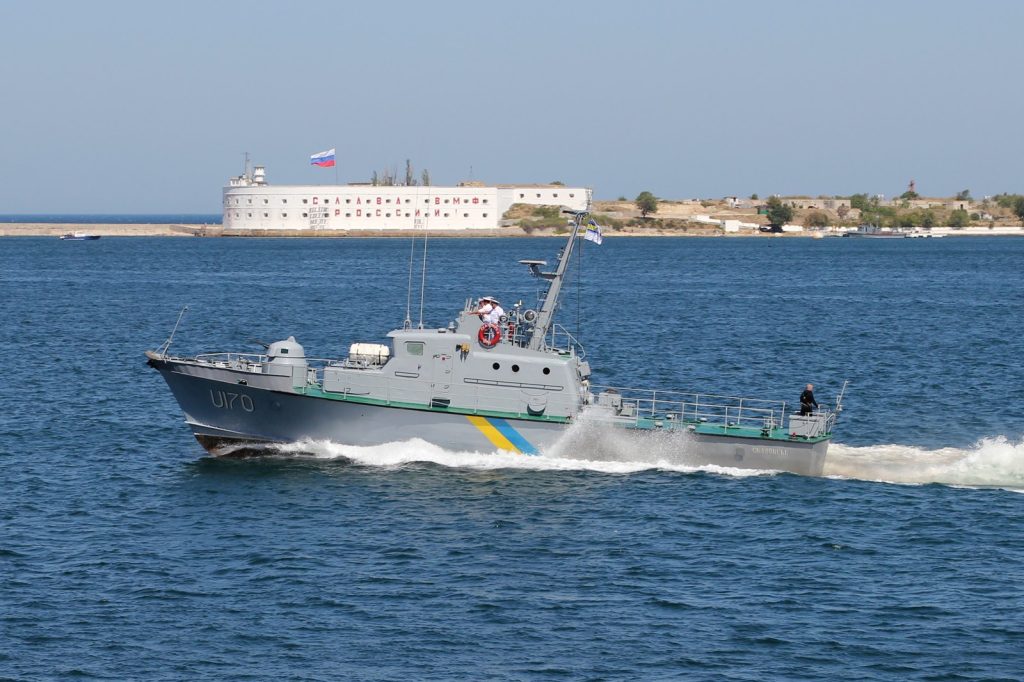
It works only because the Russian fleet was pushed back. Ukraine War Analytics, a commentary site, credits unmanned surface vehicles such as the Sea Baby, plus Neptune anti-ship missiles and Western-supplied Harpoons. It says they made the western Black Sea too dangerous for Russian warships. Attacks on naval and military sites in Crimea, using Storm Shadow missiles, ATACMS and long-range drones, added to the pressure. The result, the site says, was that Moscow moved its main combatants from Sevastopol to Novorossiysk, hundreds of kilometers to the east.
The same analysis calls the outcome one of the war’s most strategically significant victories. It argues that grain exports eased food price pressure in Africa, the Middle East and Asia, and that the corridor brought in billions of dollars of export earnings. That is the site’s own assessment, and a partisan one.
Two systems, two jobs
The Commission’s figures show a split. In July the Solidarity Lanes carried around 90% of Ukrainian imports and 95% of non-agricultural exports. The Black Sea took roughly 10% and 5% of those flows. For grain and oilseeds the pattern flipped.
Since May 2022 the Lanes have moved about 230 million tonnes of Ukrainian exports, including roughly 103 million tonnes of farm products and 127 million tonnes of goods such as ores and steel. Imports over the same period came to around 111 million tonnes, among them fuel, vehicles, fertilisers and military and humanitarian aid. The Commission puts the total value of trade at around 304 billion euros: 78 billion euros of exports and 226 billion euros of imports.
The sea route has kept its share under fire. Ports Europe has reported repeated Russian drone and missile strikes on Odesa and Chornomorsk in recent months, and some of them damaged grain loading equipment at both ports.
The Commission describes the Solidarity Lanes as central to Ukraine’s post-war reconstruction and its integration into the EU single market. Its work with national authorities and the transport industry is focused on removing bottlenecks, streamlining border procedures, and paying for infrastructure and logistics equipment along the routes.
Sources
- Ukraine's Grain Corridor Victory: Breaking the Black Sea Blockade | Ukraine War Analytics
- Ukraine's Black Sea corridor now carries most grain exports, EU data shows




