HANOI — The Vietnamese government has announced a $24 billion rescue package for Sai Gon Joint Stock Commercial Bank, a sum equal to roughly 7 percent of the nation’s entire economy. The intervention, larger than the annual budgets of some Southeast Asian countries, aims to prevent the collapse of one of Vietnam’s major financial institutions. The announcement did not specify the nature of the fraud that led to the bank’s troubles.
Officials did not name any individuals involved or detail whether the funds will be structured as loans, guarantees, or direct cash injections. What is clear is the unprecedented scale of the commitment.
With over 102 million citizens, Vietnam is the 16th-most populous country globally. The government’s decision to allocate such a significant amount of public money indicates that allowing Sai Gon Bank to fail was considered a real risk to the broader financial system. The alternative — lost deposits, frozen credit, and a potential run on other lenders — was deemed more costly. The timing of the rescue is critical.
Vietnam’s economy has grown rapidly, driven by exports and foreign investment. Factories producing smartphones, textiles, and electronics have transformed the country into a manufacturing hub.
Located on the eastern edge of Mainland Southeast Asia, bordering China, Laos, and Cambodia, Vietnam serves as a key node in regional supply chains. A banking crisis in Hanoi or Ho Chi Minh City would not remain contained within Vietnam’s borders. It could disrupt trade routes, alarm investors, and ripple through supply networks connecting the country to the United States and other major partners.
American companies have invested heavily in Vietnamese manufacturing, and a sudden banking collapse would directly affect those interests. While costly, the rescue package may be cheaper than a cascading loss of confidence that chokes off the foreign capital fueling Vietnam’s economic rise.
However, the $24 billion bailout does not resolve the underlying fraud. It buys time, keeps the bank’s doors open, and calms depositors. The government has not explained how it will recover the money or whether the bank’s management will face accountability.
The lack of detail on the fraud itself leaves unanswered questions: Who was involved? How long had it been ongoing?
Was it a single actor or a network? The silence suggests the investigation is either incomplete or politically sensitive. The rescue package sends a clear message: the Vietnamese government will not allow a major bank to fail, even at enormous cost.
This may reassure depositors and foreign investors in the short term. But it also raises stakes.
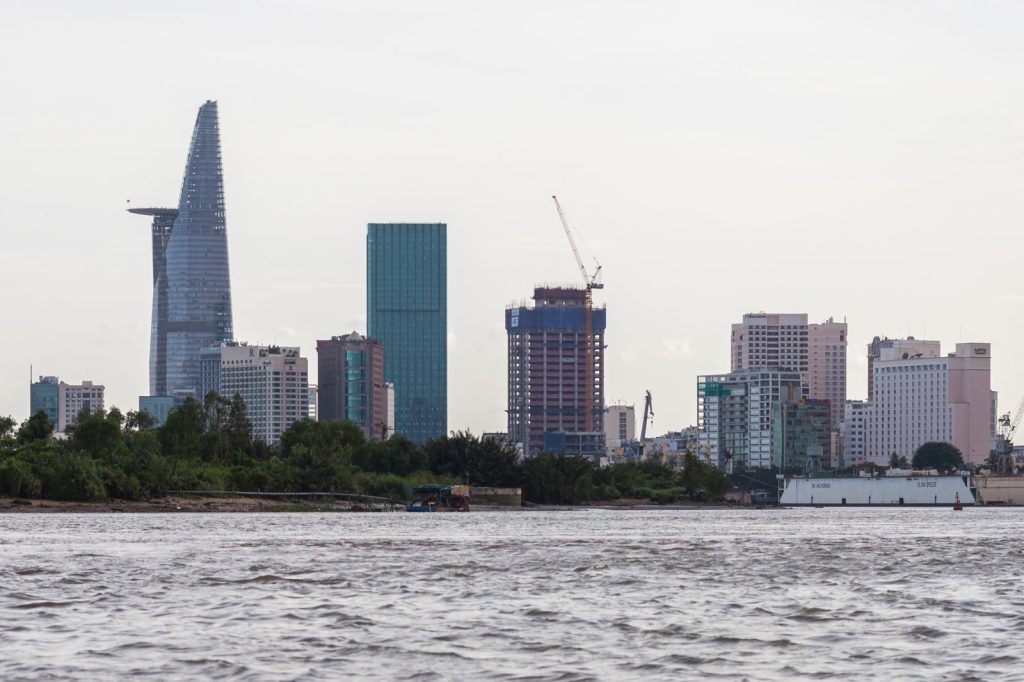
If other Vietnamese banks carry similar hidden liabilities, the government’s capacity for future rescues is not unlimited. The $24 billion commitment reduces fiscal space for any additional interventions. The bank’s location in Ho Chi Minh City, the country’s commercial heart, adds urgency.
A failure there would immediately affect the city’s real estate market, retail sector, and export-oriented factories. Protecting the bank also protects the economic engine of Vietnam’s largest city.
Vietnam has long been viewed as a stable investment destination in a volatile region. This rescue tests that reputation. It shows the government can act decisively, but also reveals that the banking sector is not as clean as many assumed. The fraud at Sai Gon Bank represents a crack in the facade, with the $24 billion serving as the patch.