
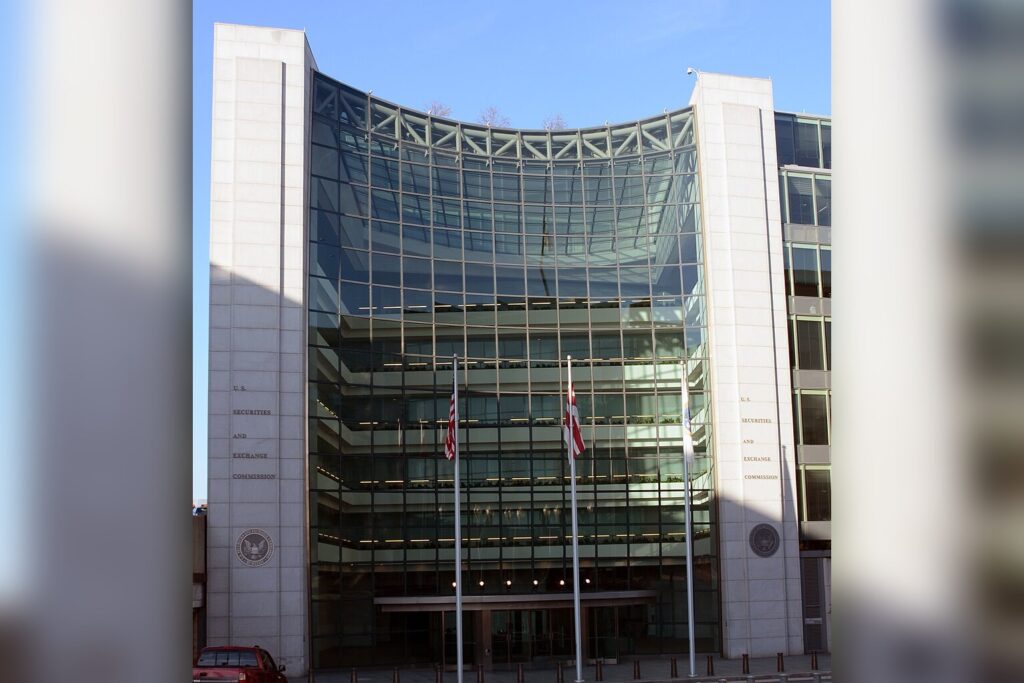
On June 6, 1934, Congress passed the Securities Exchange Act of 1934, creating the Securities and Exchange Commission. The agency was born from the devastation of the 1929 stock market crash, which wiped out billions of dollars in wealth. The Dow Jones Industrial Average had fallen from a peak of 381.17 on September 3, 1929, to a low of 41.22 on July 8, 1932 — a decline of nearly 89 percent.
The Great Depression followed, and out of that ruin came a simple idea: investors needed protection. President Franklin D.
Roosevelt appointed Joseph P. Kennedy as the first SEC chairman. The agency was tasked with enforcing the Securities Act of 1933, which required companies to register their securities and provide full disclosure to anyone buying them.
Over time, Congress expanded the SEC’s mandate through additional statutes, including the Trust Indenture Act of 1939, the Investment Company Act of 1940, the Investment Advisers Act of 1940, and the Sarbanes-Oxley Act of 2002. These laws built a framework for transparency and accountability in American financial markets.
A Mission Built on Trust
The SEC’s mission today remains what it was at the start: protect investors, maintain fair and orderly markets, and facilitate capital formation. As of 2023, the agency employs approximately 4,600 staff.
It oversees more than 30,000 registered entities, including stock exchanges, brokers, and investment advisers. Much of the SEC’s work happens quietly — reviewing corporate filings, investigating suspicious trading patterns, and writing rules that govern how markets operate. The agency’s online EDGAR system makes these filings broadly accessible, helping investors make informed decisions while reducing opportunities for insider trading and manipulation.
When a company goes public, the SEC reviews its prospectus to ensure investors have the information they need. When insider trading occurs, the SEC brings enforcement actions.
The enforcement division has brought cases against some of the largest names on Wall Street, as well as smaller fraudsters who prey on retirees and ordinary savers. The goal, in every case, is the same: make sure the markets are honest.
Looking Ahead in a Changing Financial World
The SEC operates in a financial world that has changed dramatically since 1934. High-frequency trading, cryptocurrencies, and complex derivatives did not exist when the agency was founded. Yet the core challenge remains the same. Markets only work when people trust them.
For the roughly 4,600 people who work at the SEC, that means staying ahead of new technologies and new risks. It means writing rules for products that did not exist a decade ago.
And it means remembering why the agency was created in the first place: to ensure that the crash of 1929 — and the suffering that followed — never happens again. The agency’s role remains central to the functioning of capital markets, where individual and institutional investors alike rely on accurate, timely information to assess risk and opportunity. By requiring regular financial reporting and public disclosures from regulated firms, the SEC helps prevent fraud and maintain fair markets.
Its work, often invisible to the public, is the bedrock of confidence that allows American financial markets to operate.




