
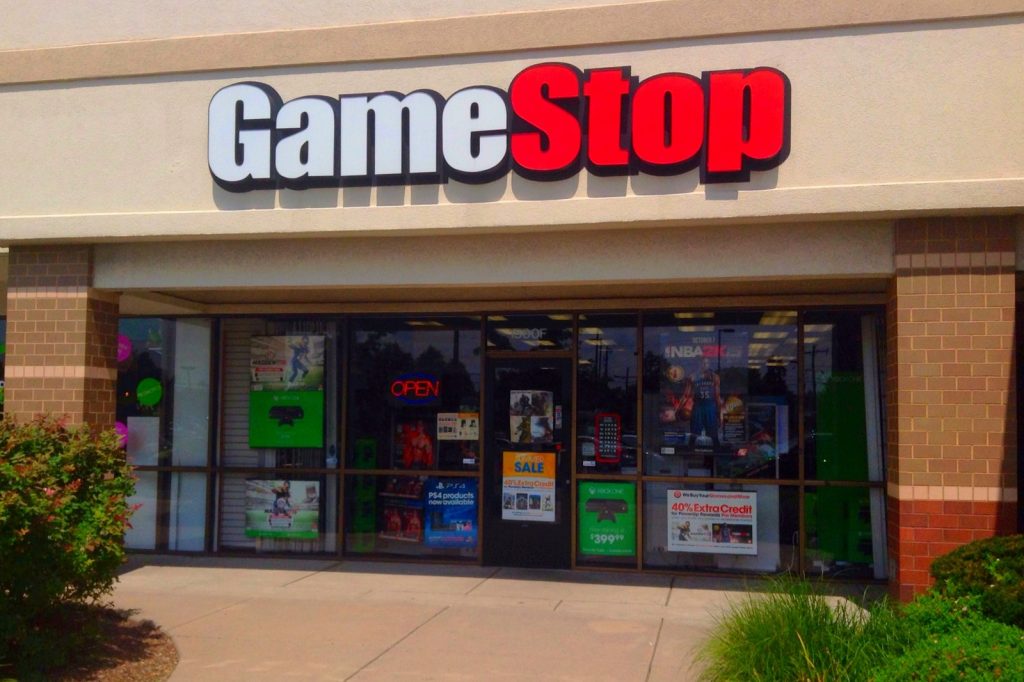
GameStop closed at $325 on Friday, January 29, 2021. In October it had traded under $10. The stock finished that week 400% higher and was up 1,625% for the year, CNBC reported on January 31, 2021.
The people driving it were not hedge funds. They were retail investors trading small amounts, many of them organizing on Reddit’s WallStreetBets forum, whose membership more than tripled in a single week to north of 7 million. Their target was a struggling video game retailer that big funds had bet against.
The funds that bet wrong
Melvin Capital Management was one of those funds. It lost 53% in January, a source told CNBC, and closed out its GameStop short on Tuesday afternoon of that week after heavy losses. Citadel and Point72 put close to $3 billion into the fund. Point72 slid 10% in January and Citadel lost 3%. Melvin’s assets under management fell from roughly $12.5 billion at the start of the year to more than $8 billion, counting the emergency money.
The squeeze spread. Bed Bath & Beyond and AMC Entertainment, also popular short targets, saw the same flood of retail buying.
When Robinhood pulled the plug
Then Robinhood and other brokerages restricted trading in some of the most volatile names. Users who could not trade at will were furious. Robinhood said in a blog post that the central Wall Street clearinghouse had demanded a tenfold increase in the firm’s deposit requirements that week.
Robinhood chief executive Vlad Tenev repeated that explanation under oath at a House Financial Services Committee hearing on February 18, 2021, according to the New York Times. Committee chair Maxine Waters told him to skip the introductions and “talk directly to what happened on Jan. 28.” Tenev apologized to users for stopping certain trades at the peak of the frenzy, but insisted the company did nothing wrong and did not favor powerful partners over small investors. “We don’t answer to hedge funds,” he said.
Members of both parties were not satisfied. Representative Carolyn Maloney told him: “You reserve the right make up the rules as you go along.” Alexandria Ocasio-Cortez, who said his decisions had “harmed customers,” asked whether the real problem was not the clearinghouses but Robinhood’s own failure to manage its margin rules and internal risks.
The man known as Roaring Kitty
One of the most influential voices on the Reddit forum also testified. Keith Gill, known on YouTube as Roaring Kitty, told the committee his interest was driven by a view that the market undervalued the retailer and its chances of pivoting to a digital business, rather than a wish to hit hedge funds. He said he would still buy GameStop at its current price. “I am not a cat,” he said. “I am not an institutional investor. Nor am I a hedge fund.”
Lawmakers were already calling on regulators to step in. Senator Elizabeth Warren told CNBC: “We need an SEC that has clear rules about market manipulation and then has the backbone to get in and enforce those rules.”
Sources
- GameStop: Hedge fund Melvin Capital lost more than 50% in January – CNBC
- GameStop Hearing Centers Around Robinhood – The New York Times




