
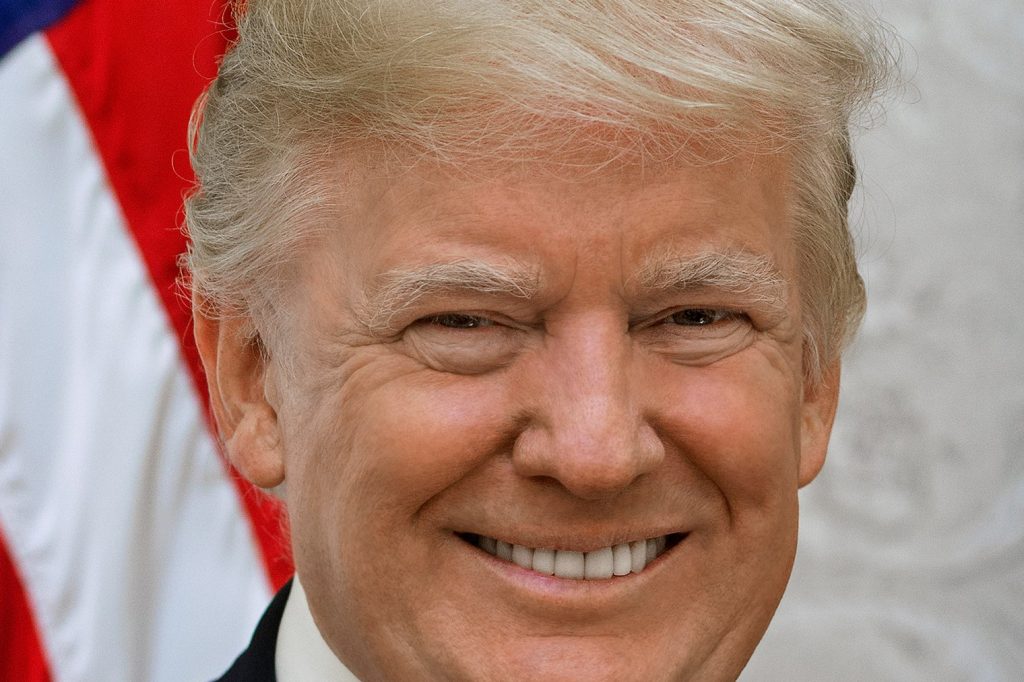
“Don’t ever say what you said. To me, that’s the nastiest question.” That was President Donald Trump’s answer when a reporter asked what he made of Wall Street’s new nickname for his tariff policy: the TACO trade.
TACO stands for “Trump Always Chickens Out.” Robert Armstrong, a columnist at the Financial Times, coined it. Traders adopted it because of a pattern they kept seeing. A tariff announcement sends stocks sharply lower, then the rate is cut, delayed or waived and the market climbs back. AP and Bloomberg both described the habit.
The numbers behind the nickname
China is the clearest case. Tariffs on Chinese goods shot up to 145 per cent and dragged stock markets down with them. After nearly three months of back-and-forth, the rate was brought down to 30 per cent, according to the Mint report. A separate account from The Independent put the earlier Chinese rate at 125 percent and said Washington and Beijing agreed to a 90-day suspension, after which stocks surged.
The European Union got a similar treatment. Trump threatened 50 percent tariffs on EU goods from June 1, and stocks and the dollar slid. Two days later he pushed the start date to July 9, and markets reopened on Tuesday well in the green. A 10 per cent tariff on the EU stayed in place meanwhile.
Tom Essaye of the Sevens Report put the trade in a note to clients on May 28, as Bloomberg reported. “The thesis behind the TACO trade is: Buy the Trump tariff dip,” he wrote. “Essentially, Trump has proven to investors that he won’t actually follow through with draconian tariffs. As such, any sell-off following a dramatic tariff threat should be bought.”
Trump’s reply
Trump bristled. He said he had never heard the term, then listed what he had done: cut China down to 100, then to another number, and put a 50 percent tax on the European Union. “You call that chickening out? It’s called negotiation,” he said. “I set a ridiculous high number and I go down a little bit.”
He argued that the high threats are what bring other countries to the table. “They wouldn’t be over here today negotiating if I didn’t put a 50 per cent tariff on,” he said. His complaint was about what comes next: once a deal lands on more reasonable terms, he said, critics will call him a chicken anyway. “That’s unbelievable.”
A win in disguise?
Alyssa Farah Griffin, a former White House director of strategic communications, saw it differently. Speaking on CNN News Central with host John Berman, she said the TACO trade might actually help the president. Her reasoning was that traders have learned to call his bluff, so tariff threats no longer cause the market swings seen in the first few months of the year.
“Those are all good things in the long run for Donald Trump’s economy and for his future agenda,” she said. “But all of them look like losses, but actually are wins if he can simply take the win.” She made the case at the end of a hard week for Trump. Elon Musk had left the White House, and the U.S. Court of International Trade had blocked his tariffs, a ruling an appeals court temporarily reversed on Thursday.
Sources
- Trump Always Chickens Out? Watch how US president reacted to Wall Street's TACO trade jab: ‘Don’t ever…' | Today News
- Wall St’s ‘TACO’ taunt could actually be a ‘win’ for Trump, ex-staffer says




